
Last updated November 22, 2026
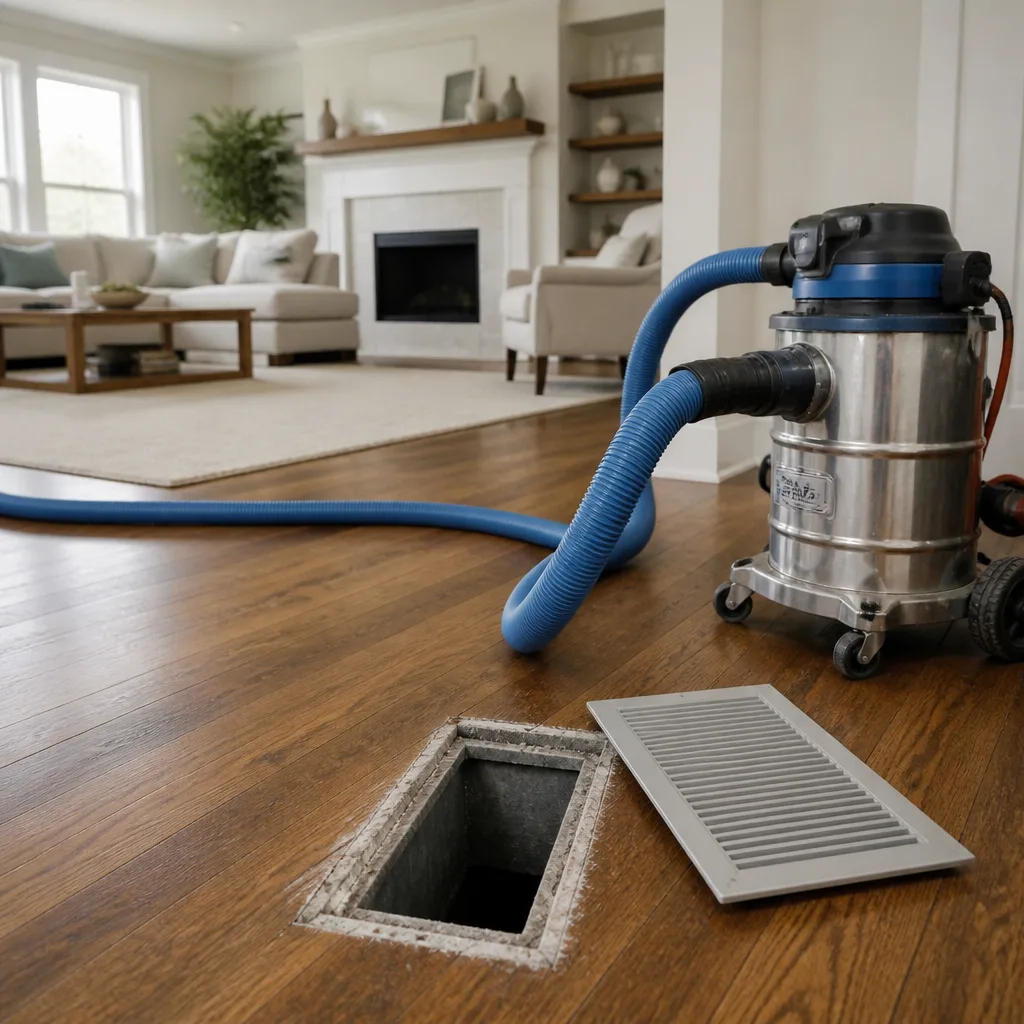 Whole-home duct cleaning
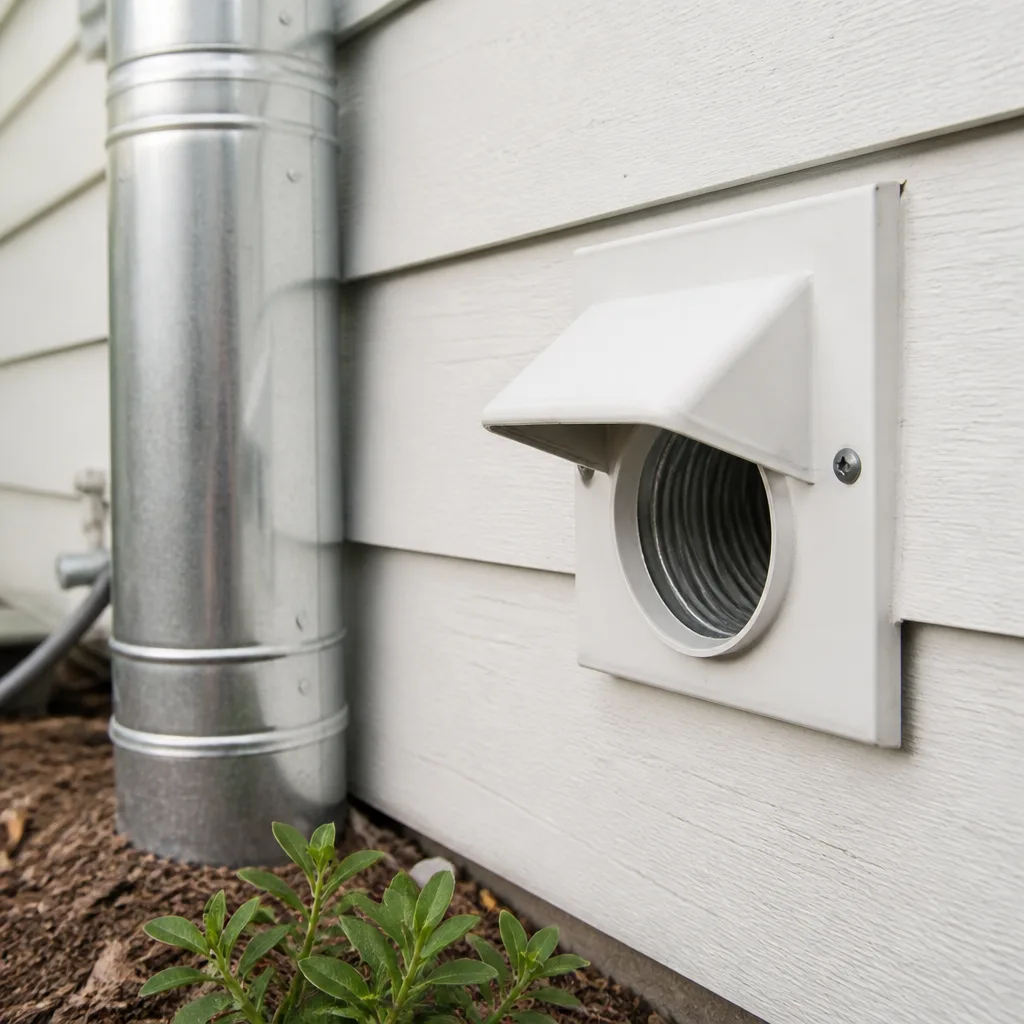 Dryer vent cleaning
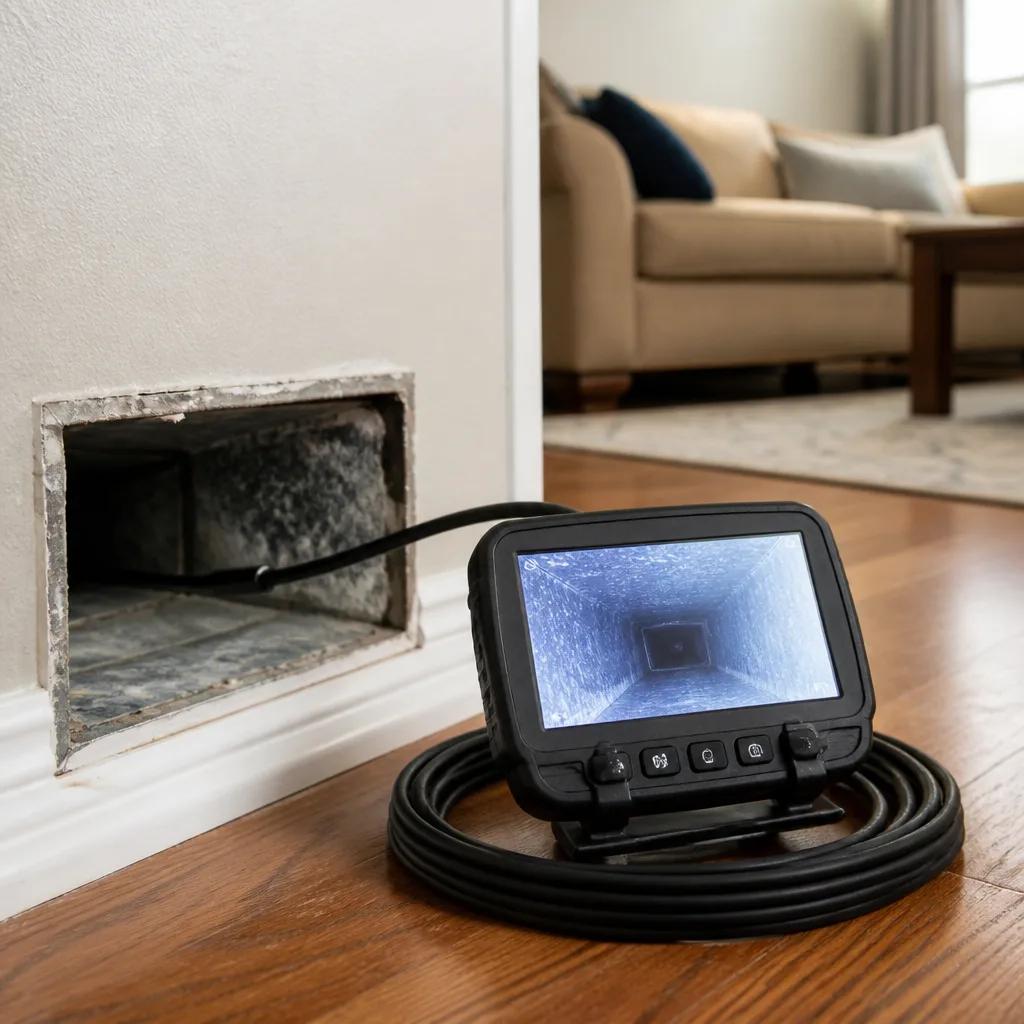 Camera inspection
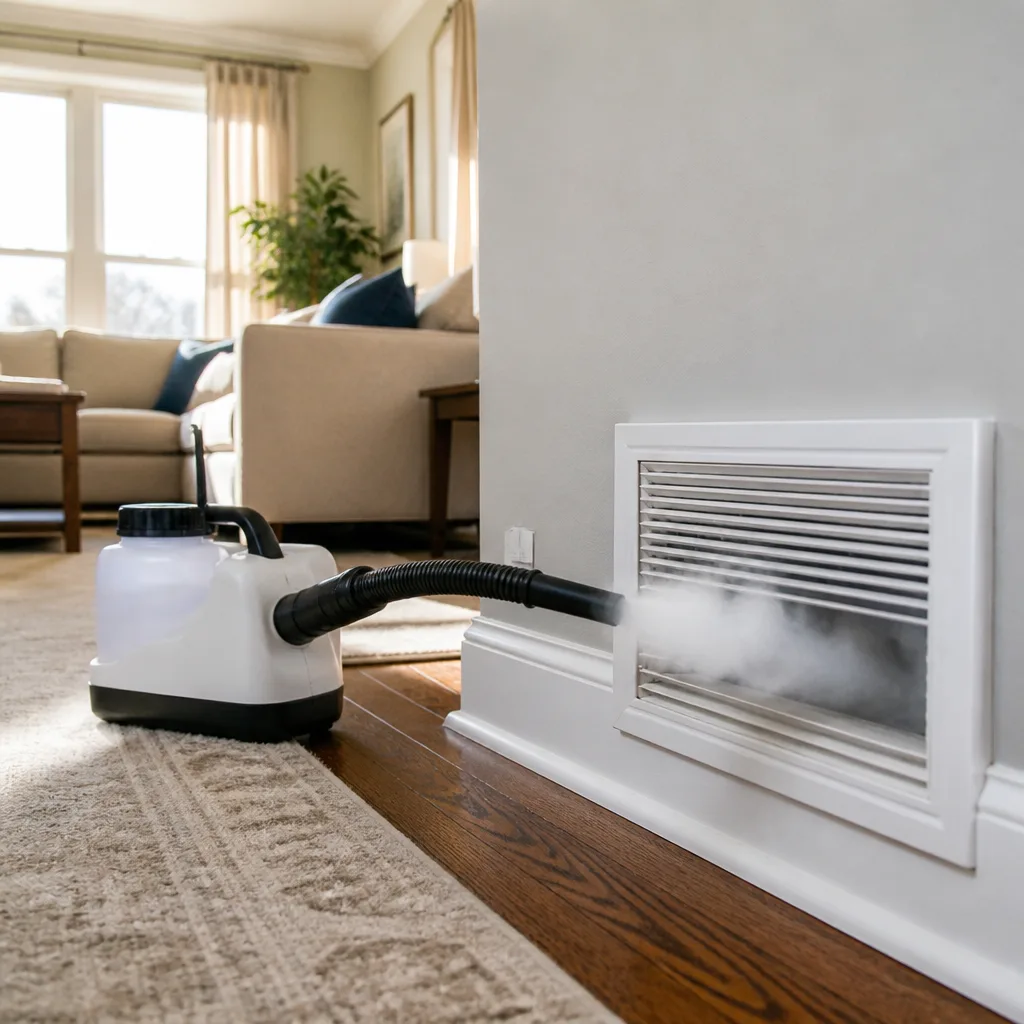 Sanitizing & deodorizing
Whole-system duct and dryer vent check with before-and-after photos - you see exactly what came out of your vents
That "$99 whole-house special" is a bait ad - the real number appears once they are in your hallway, or the "clean" is a shop-vac at the register. We photograph the inside of your ducts before and after instead.
How to Hire an Air Duct Cleaning Contractor in Kensington: A Step-by-Step Guide
Most homeowners assume the hard part of hiring a duct cleaning company is finding the lowest price. The opposite is true. Duct cleaning has one of the lowest barriers to entry of any home service, which means the truck wrap and a “certified” line on a website tell you almost nothing on their own. A two-person operation with a rented vacuum and a marketing site can look identical to a shop running professional-grade extraction equipment. The gap is in what you ask before anyone steps through the door. This guide gives you the exact questions, the quote structure, and the red flags that separate real source-removal work from a crew that vacuums a vent, hands you an invoice, and leaves the contamination behind. Kensington Air Duct Cleaning wrote it because we’ve watched too many Kensington homeowners pay twice for one job.
Quick Answer
Hiring an air duct cleaning contractor in Kensington means verifying three things before you pay a deposit: that the company uses professional-grade source-removal equipment (not shop vacuums), that the quote covers your whole system with a fixed cap rather than per-vent pricing, and that the crew delivers documented findings like inspection photos and before-and-after airflow notes. If a contractor can’t answer those three clearly, hire someone else.
Styles & brands we work with
- Whole-home duct cleaning
- Dryer vent cleaning
- Camera inspection
- Sanitizing & deodorizing
Table of Contents
- Why Duct Cleaning Is Hard to Vet
- What NADCA Certification Actually Requires
- Three Questions That Reveal Real Equipment
- How to Structure a Quote Request
- Red Flags in the Sales Process
- What a Legitimate Job Leaves Behind
- Why Cleaning Alone Isn’t Enough
- What Duct Cleaning Costs in Kensington
Why Duct Cleaning Is Hard to Veto Vet
Air duct cleaning is not licensed the way electrical or plumbing work is in most states, which means there’s no single government database where you can confirm a company is qualified. Anyone with a vacuum, a ladder, and a business name can advertise. That reality is why the vetting process matters more here than for almost any other home service hire.
The service is also invisible. You can’t inspect the inside of your ductwork yourself, so you’re relying entirely on what the contractor tells you about what they found and removed. A company that does a surface vacuum and one that does full source removal can charge the same price and both say “done.” The difference shows up months later as recurring dust, allergy complaints, or an HVAC system working harder than it should.
In Kensington, the housing stock adds another layer. Older homes often have ductwork that predates modern standards, with flex runs, disconnected joints, and gaps that pull in attic or basement air. A quick vacuum won’t fix that. The air duct cleaning that actually helps involves source removal and, often, sealing the leaks that let contamination back in.
What you’re really hiring
You’re not hiring a cleaning crew. You’re hiring a technician who can assess your entire airflow system, tell you honestly what condition it’s in, and do work that holds up. That takes equipment, knowledge, and a willingness to report findings you might not want to hear. The rest of this guide is about finding that person.
What NADCA Certification Actually Requires
NADCA, the National Air Duct Cleaners Association, publishes the industry’s assessment, cleaning, and restoration standards and offers certifications for both companies and individual technicians. Here’s where it gets confusing: “NADCA certified” means different things depending on which credential a company holds, and a lot of marketing pages blur that line.
A NADCA company certification involves a documented process and adherence to the association’s standards. An individual technician credential is a separate thing. When a website says “NADCA certified” without specifying, ask directly what they hold and whether it’s the company or the person who holds it.
How to verify credentials in real time
- Ask for the exact name the certification is registered under and the credential type. Vague answers are a signal.
- Ask when the credential was issued and whether it’s current. Certifications require upkeep.
- Confirm the association’s standards are referenced in their written proposal, not just on the website.
- Ask whether the crew members doing the work are trained to those standards or just the sales rep you’re talking to.
If a company can’t name its credentials specifically, it doesn’t have them. That’s the test. You don’t need to be an industry expert; you just need to ask the question and listen for a straight answer.
Truthfully, certification alone doesn’t guarantee good work. What it tells you is that a company bothered to be accountable to a third-party standard, which is more than most operators do. Combine it with the equipment and documentation questions below.
Three Questions That Reveal Real Equipment
The single biggest difference between a legitimate operation and a surface-level one is whether they do source removal. That means physically agitating and extracting debris from the entire duct surface, not just pulling loose dust toward a vent. Three questions expose the difference.
Question 1: What contact vacuum and agitation equipment do you use?
A real source-removal setup uses a high-powered vacuum unit with HEPA-level filtration and mechanical agitation tools like rotary brushes and air whips. A shop vac and a hose is not that. The answer you’re listening for is specific equipment names. Kensington Air Duct Cleaning runs professional-grade Rotobrush systems and Nikro equipment, both of which are the kind used by certified HVAC contractors, not consumer tools.
Question 2: How do you handle containment?
Aggitation kicks up a lot of debris, and a crew that doesn’t contain it is just moving it around your house. Ask about negative-pressure containment and HEPA extraction. For higher-contamination situations, mold spores, fine particulates, or post-construction dust, proper containment is non-negotiable. We use Abatement Technologies equipment for containment precisely because those situations demand it.
Question 3: Do you use a camera to inspect before and after?
A company that can pull a camera through your ducts and show you the footage is a company that can prove the work. If they can’t or won’t, you have no way to verify anything. Video inspection is the difference between “we cleaned it” and “here’s what we found and here’s what changed.”
If the answers to these three questions are vague or generic, the company is doing surface work. Ask them directly: “Do you do source removal or just surface vacuuming?” Their comfort with that question tells you everything.
How to Structure a Quote Request
Most people request quotes wrong. They ask “how much to clean my ducts?” and then compare three wildly different numbers. That’s how low-ball bids win. Here’s how to structure your requests so you’re actually comparing the same job.
What to include in every request
- Your home’s age and approximate square footage, and whether it’s single or multi-story.
- Approximately how many vents and returns you have, but tell them you want whole-system pricing, not per-vent.
- The system type: forced-air furnace, heat pump, or something else.
- Any known contamination triggers like recent renovations, pets, water damage, or visible mold.
- A request for the written scope of work, not just a price.
What to ask for in the response
- A fixed price for the whole system, not a per-vent rate.
- The exact equipment they’ll bring.
- Whether the price includes inspection, and what documentation you’ll get after.
- Whether they’ll report duct condition and recommend repairs if needed, and how they’ll present that (with photos or just a verbal upsell).
- The process for addressing any leaks, disconnected joints, or gaps they find.
When you compare quotes this way, the cheap bid usually falls apart. It’s cheap because it doesn’t cover the whole system, doesn’t include inspection, and doesn’t include the repair work you’ll need later. A quote from Kensington Air Duct Cleaning is structured to match the whole scope because per-vent teaser pricing is exactly the model that creates the bait-and-switch complaints you hear about.
Red Flags in the Sales Process
The sales process tells you as much as the equipment list. Watch for these.
Door-to-door solicitation
A crew that knocks on your door offering a “special today” is a red flag. Legitimate operators don’t need to solicit on the street. They’re booked by referral and reputation. If someone cold-knocks your Kensington home, ask for their license and certification documents on the spot. Most can’t provide them.
Per-vent pricing with no system cap
“$X per vent” sounds simple until you realize your older Kensington home has 15 vents plus returns and the invoice balloons. Worse, the per-vent price often doesn’t include the returns, the trunk lines, or any actual cleaning of the main system. Ask for a flat whole-system price before work begins, in writing.
Same-day pressure tactics
Any urgency designed to prevent you from comparing other quotes is a sales tactic, not a service. A real operator is fine with you taking a day to decide. If the pressure ramps up, walk away.
No written estimate before work starts
Never let work begin without a written scope and a fixed price in hand. This is the single most important rule. If they won’t put it in writing, they’re planning to add charges once the truck is in the driveway.
No inspection photos
If they don’t document the before and after, you can’t verify anything. That’s the point of a bait-and-switch model: you’re supposed to take their word for it.
Upselling the mold panic
Real technicians will show you what they found and explain options. A hard mold upsell based on one blurry photo, with a big price tag and a “sign today” discount, is a pressure play. Mold concerns are legitimate, but they deserve evidence and a calmer conversation.
What a Legitimate Job Leaves Behind
Ask any contractor what you’ll receive after the work is done. A quality operation has a clear answer, and the answer should include documentation, not a verbal “all done.”
What to expect after a real job
- Inspection photos of the ductwork before and after cleaning, taken with a camera.
- Before-and-after airflow notes, or at least an assessment of airflow at key vents.
- Written findings on duct condition, including any leaks, disconnected joints, mold, or debris sources found.
- A recommendation report on any repair and sealing work needed to prevent re-contamination.
- Manufacturer documentation for any filtration or air-quality products installed, if you added them.
This is the test that separates operators. A crew that just pulls dust out of a vent and leaves doesn’t have photos, doesn’t have airflow notes, and doesn’t have a findings report. If those things matter to a company, they build their process around producing them. They also become the basis for any honest recommendation about sealing or repair.
Why Cleaning Alone Isn’t Enough
Here’s the piece most homeowners miss: a cleaned duct system with leaks re-contaminates itself. Every gap, disconnected joint, and unsealed connection in the ductwork pulls air from wherever it passes through, a crawlspace, an attic, a garage. In older Kensington homes, those gaps are common.
That’s why cleaning and sealing belong together. Cleaning removes what’s there. Sealing stops new contamination from getting in and stops conditioned air from escaping. A company that only cleans is treating the symptom and leaving the cause. That’s why repair and sealing is one of Kensington Air Duct Cleaning’s core services, and why we routinely recommend it after cleaning when the inspection turns up leaks.
The same logic applies to your HVAC equipment and dryer vent. Dirty components, clogged coils, and lint buildup are all part of the same system problem. When you book HVAC cleaning, you get an assessment of the whole mechanical system, not just the ductwork. And dryer vent cleaning handles lint buildup that is a genuine fire hazard and a common service gap in the market. The full system, not just the vents, is the standard we hold ourselves to.
What Duct Cleaning Costs in Kensington
Duct cleaning in Kensington is priced by the job, based on the size and complexity of your system, not a flat rate or a per-vent number. A written estimate is the only honest answer to “what will this cost me,” and any company that won’t give you one before work starts is hiding something. The table below shows typical cost drivers, not a fixed price.
| Cost factor | Why it affects the price |
|---|---|
| Square footage and number of vents and returns | More vents and returns means more time and more equipment run time |
| System layout and accessibility | Older homes with flex runs or tricky crawlspaces take longer |
| Contamination level | Post-renovation dust, mold, or heavy buildup needs containment and HEPA-level extraction |
| Repair and sealing needs | Leaks and disconnected joints found during inspection are quoted separately, in writing |
| Additional services (HVAC, dryer vent) | Bundling into one visit is quoted as one scope, not a stack of add-on fees |
What you should not accept is a per-vent price with no whole-system cap, or a quote that doesn’t include the returns and trunk lines. Those are the levers a bait-and-switch operator pulls after the truck arrives. When you call Kensington Air Duct Cleaning at (877) 792-6865, you get one flat price per system, agreed before work starts, with an inspection photo set and before-and-after documentation of your own ducts to prove the work was done.
Common Mistakes to Avoid
- Hiring on price alone. The cheapest quote is rarely the cheapest job. It’s usually a surface vacuum that leaves you paying again in a year.
- Not asking about returns and trunk lines. A lot of companies clean vents and leave the main system dirty. Your returns are often the most contaminated part of the system.
- Accepting a verbal quote. If it isn’t in writing with a fixed price, it isn’t a quote. It’s an opening offer.
- Skipping the pre-hire equipment questions. “We use commercial equipment” is not an answer. Ask for specific names and products.
- Ignoring the duct condition report. If a company doesn’t offer one, you can’t know whether your system needs sealing or repair. That’s often the real fix.
- Assuming a door-to-door deal is legit. Cold-knock discounts are a sales tactic, not a service. Verify credentials before you let anyone inside.
- Treating a cleaning as a one-time fix. If you have leaks, pets, or a recent renovation, the cleaning may need sealing and follow-up to actually hold.
In our experience, the homeowners who end up frustrated are the ones who skipped the vetting steps because the timeline felt urgent. The inspection and quote stage is where you protect yourself.
See the difference
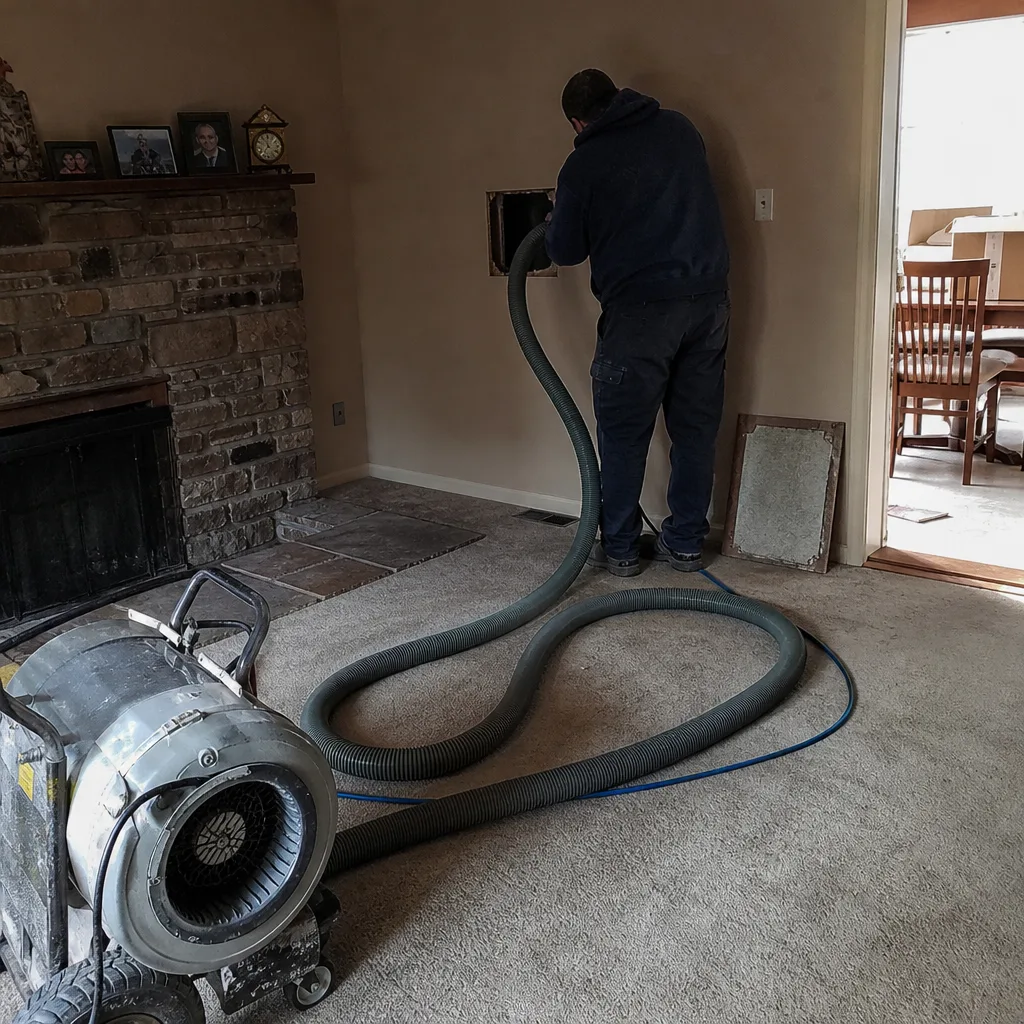 Before
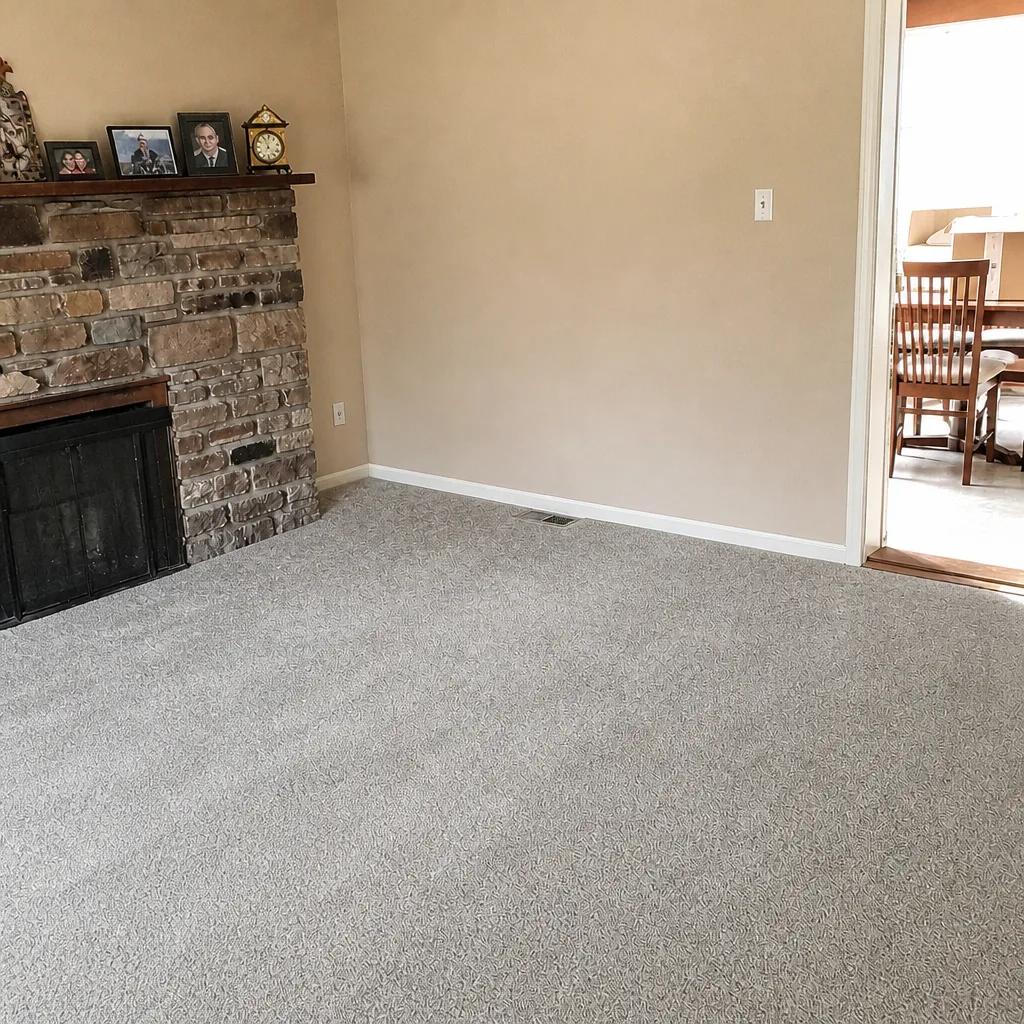 After
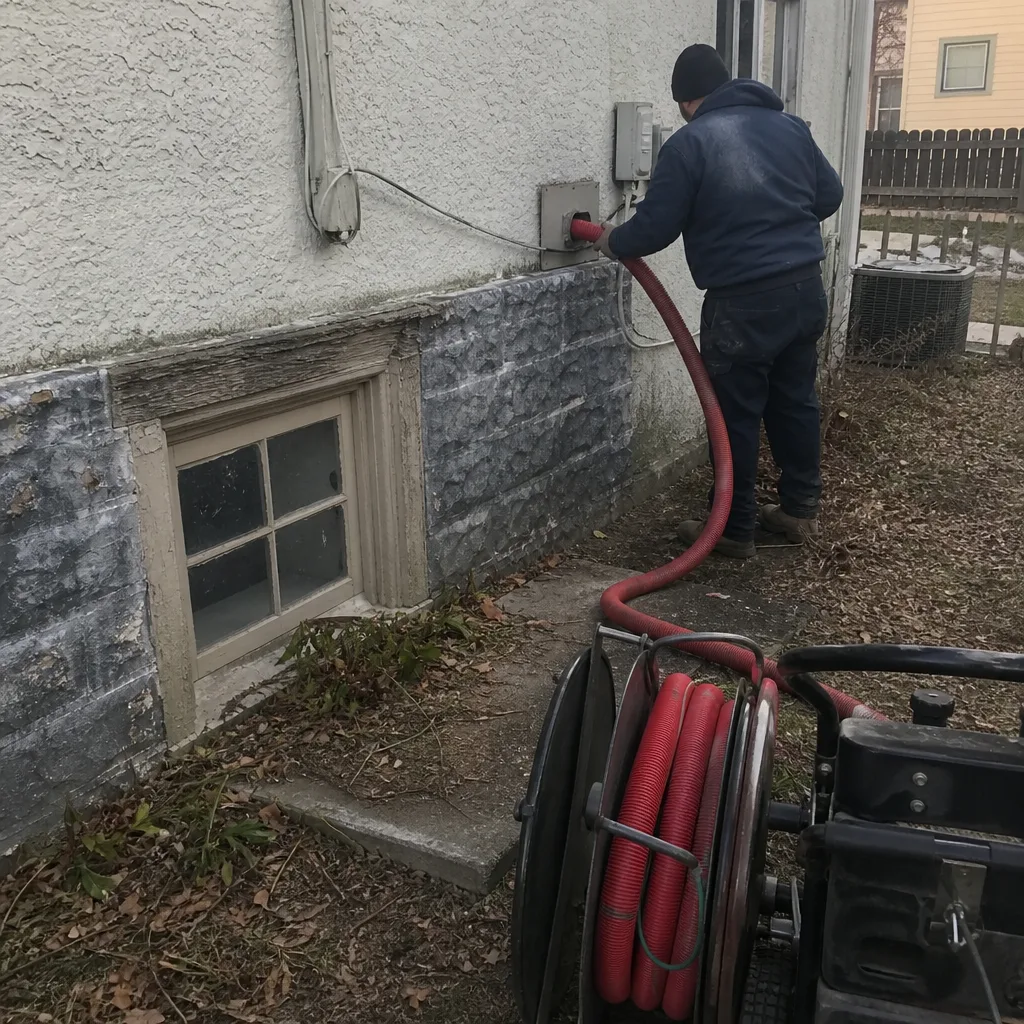 Before
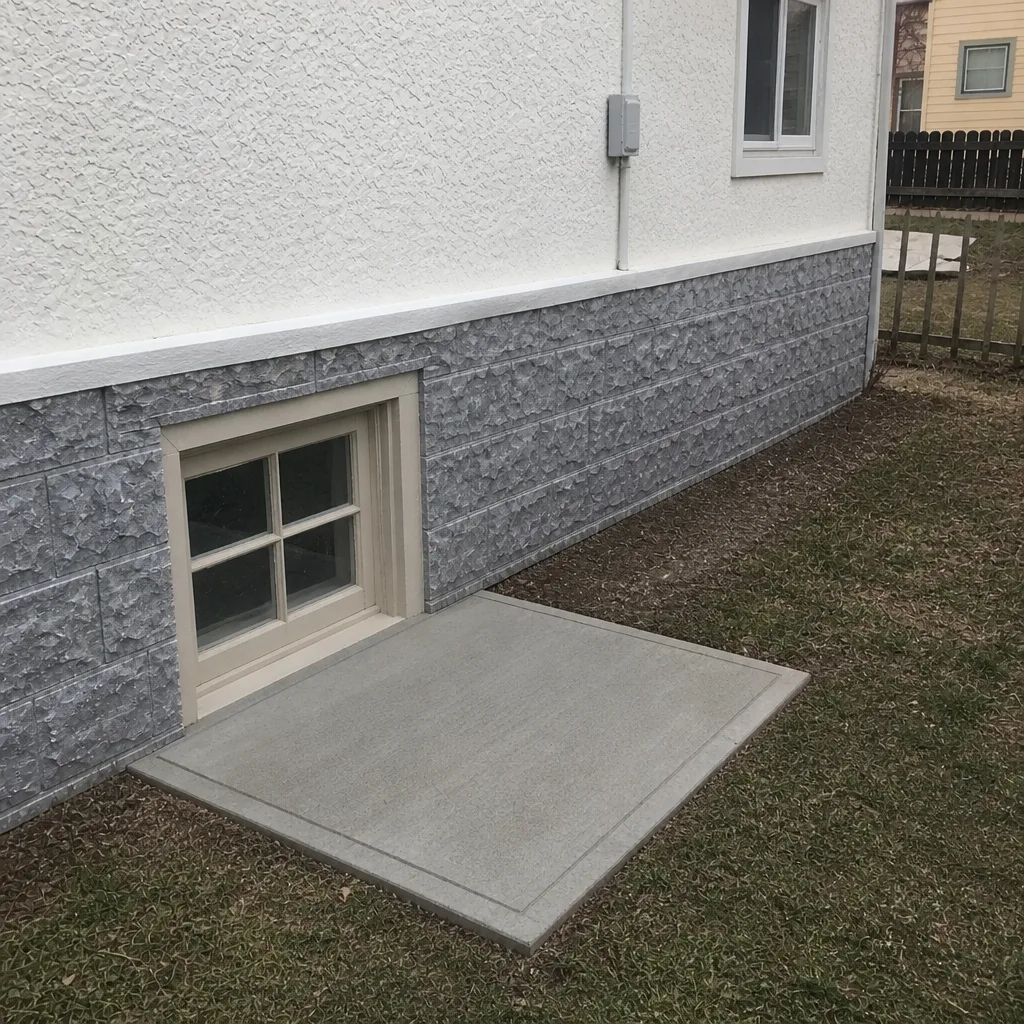 After
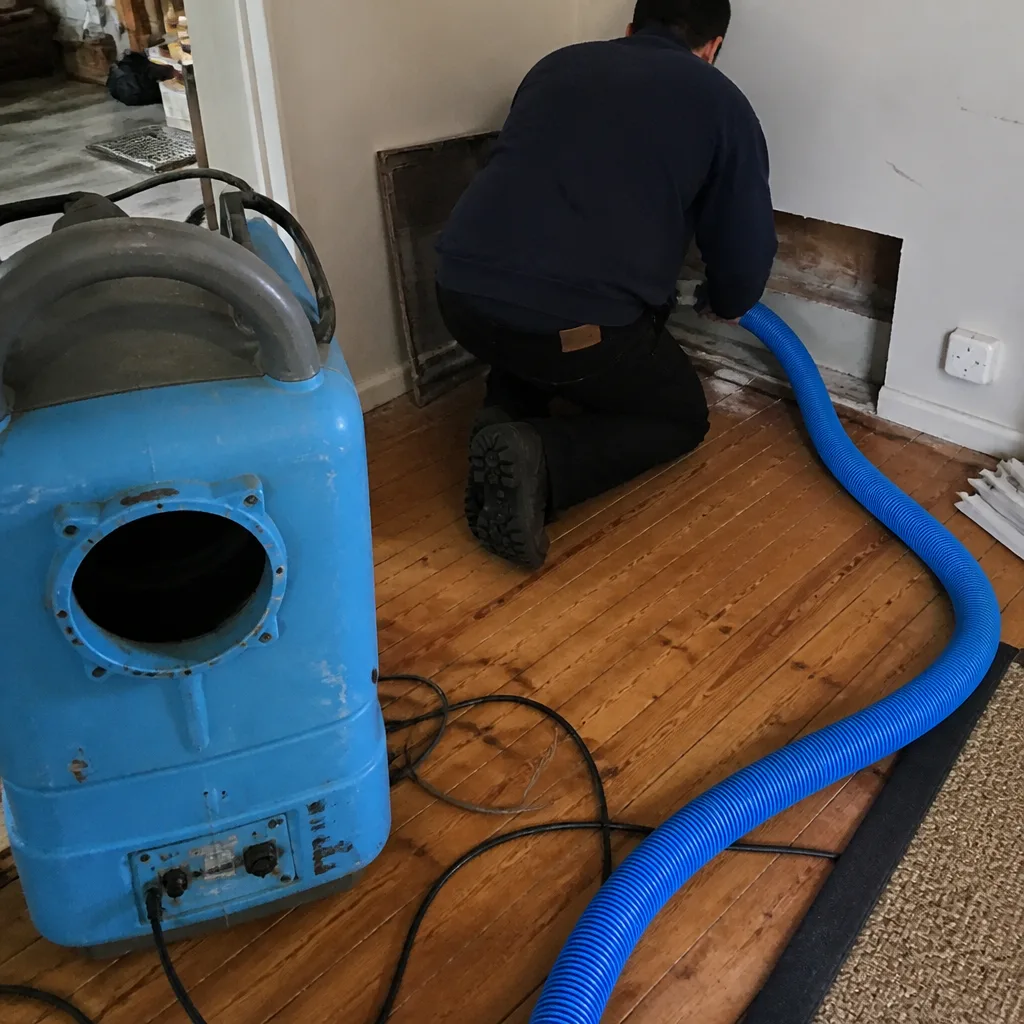 Before
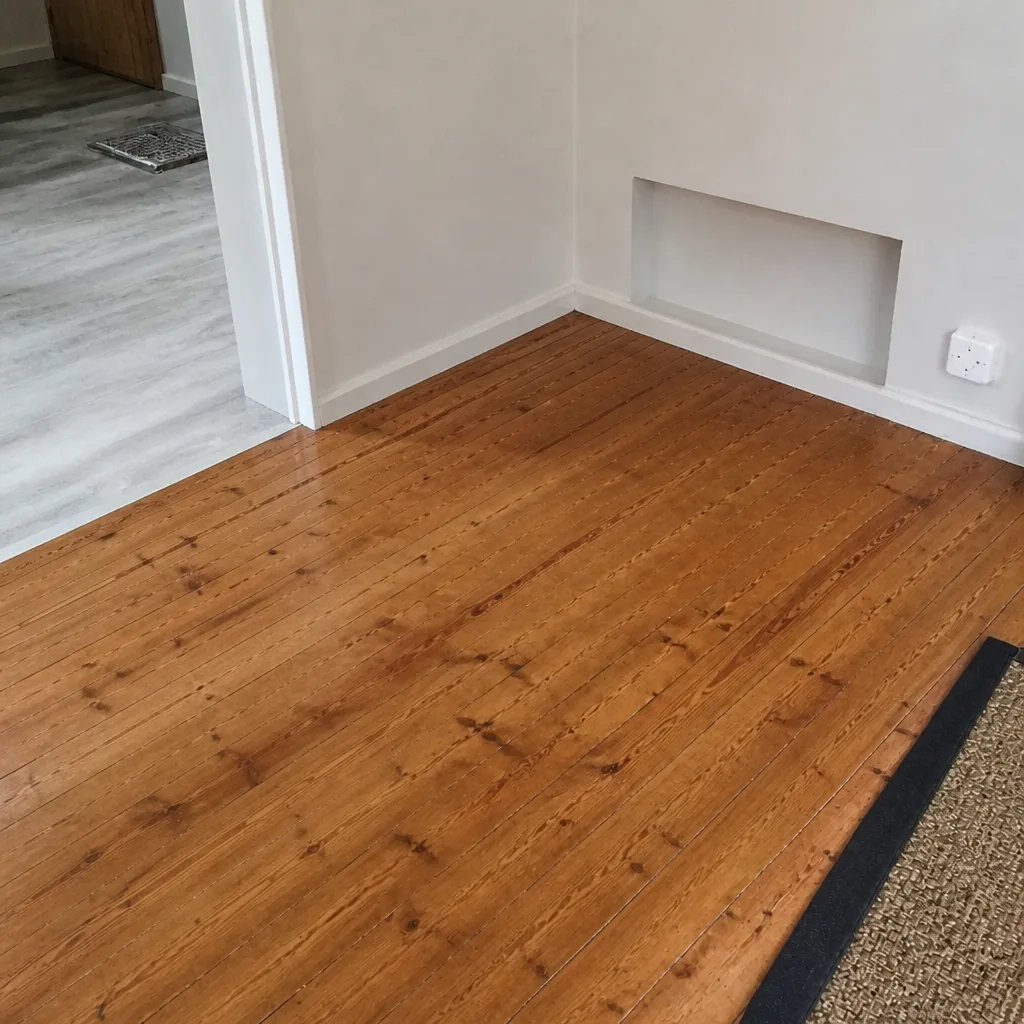 After
When to Call a Professional
Not every home needs a cleaning right away, but these situations call for an inspection:
- You’ve recently finished a renovation or remodeling project.
- You notice excessive dust returning quickly after cleaning surfaces.
- Anyone in the household has recurring allergy or respiratory complaints that worsen indoors.
- Your HVAC system was recently replaced or serviced.
- You’ve never had the ducts inspected, or you don’t know when they were last cleaned.
- You see visible mold, moisture, or debris around vents or in the HVAC closet.
Kensington Air Duct Cleaning offers free estimates in Kensington, call (877) 792-6865. We answer 24/7, fast dispatch from 7am to 7pm, Sunday through Friday. A call outside dispatch hours is booked into the next opening.
Frequently Asked Questions
Ask three things in writing: the exact NADCA credential they hold (and whether it’s the company or the individual), the specific equipment they use for source removal, and whether they provide inspection photos and a condition report after the job. A legitimate contractor answers all three clearly. A bait-and-switch operator deflects.
NADCA is a real association with published standards, but “certified” on its own means nothing. Ask which credential, whether it’s the company or the technician, and when it was issued. Vague answers are a red flag. Call (877) 792-6865 if you want to talk through a quote you’ve received from someone else.
Cheap quotes are usually cheap for a reason: they cover only the vents, not the returns and trunk lines, they skip the inspection, and they don’t include the sealing and repair work you’ll need to prevent re-contamination. Ask what the scope actually covers before you compare numbers. Call (877) 792-6865 for a whole-system quote with a fixed price.
There’s no fixed schedule, and anyone who says “every year” is selling you something. The right interval depends on your home, pets, renovation history, and whether the ducts are sealed. If you have significant contamination or leaks, get it inspected, then decide. Call (877) 792-6865 to book an inspection.
Documentation. A legitimate company shows you before-and-after photos of your own ducts, gives you airflow notes, and reports the condition findings. If you don’t get that, you can’t verify anything. Kensington Air Duct Cleaning gives you a full documentation set after every job.
We connect homeowners with independent local professionals who perform the work, and we set the scope and documentation standard the work must meet. The local pro is licensed and insured as their state requires, and we quote one flat price per system before work starts.
The Bottom Line
The duct cleaning industry’s low barrier to entry makes vetting the whole game. Verify the NADCA credential specifically, ask the three equipment questions to confirm source removal, and require a written quote that covers your whole system with a fixed cap. Then demand the documentation: inspection photos, before-and-after airflow notes, and written findings on duct condition. If a company passes all four, you’ve found an operator worth hiring. If it fails any one of them, keep looking. For a free estimate from Kensington Air Duct Cleaning, call (877) 792-6865. We answer 24/7, fast dispatch from 7am to 7pm, Sunday through Friday. Our technicians have up to 12 years of experience, and every job ends with documentation you can hold us to. Visit Kensington Air Duct Cleaning to see the full scope of five services, or book online today.
Written by the team at Kensington Air Duct Cleaning.