
Last updated November 22, 2026
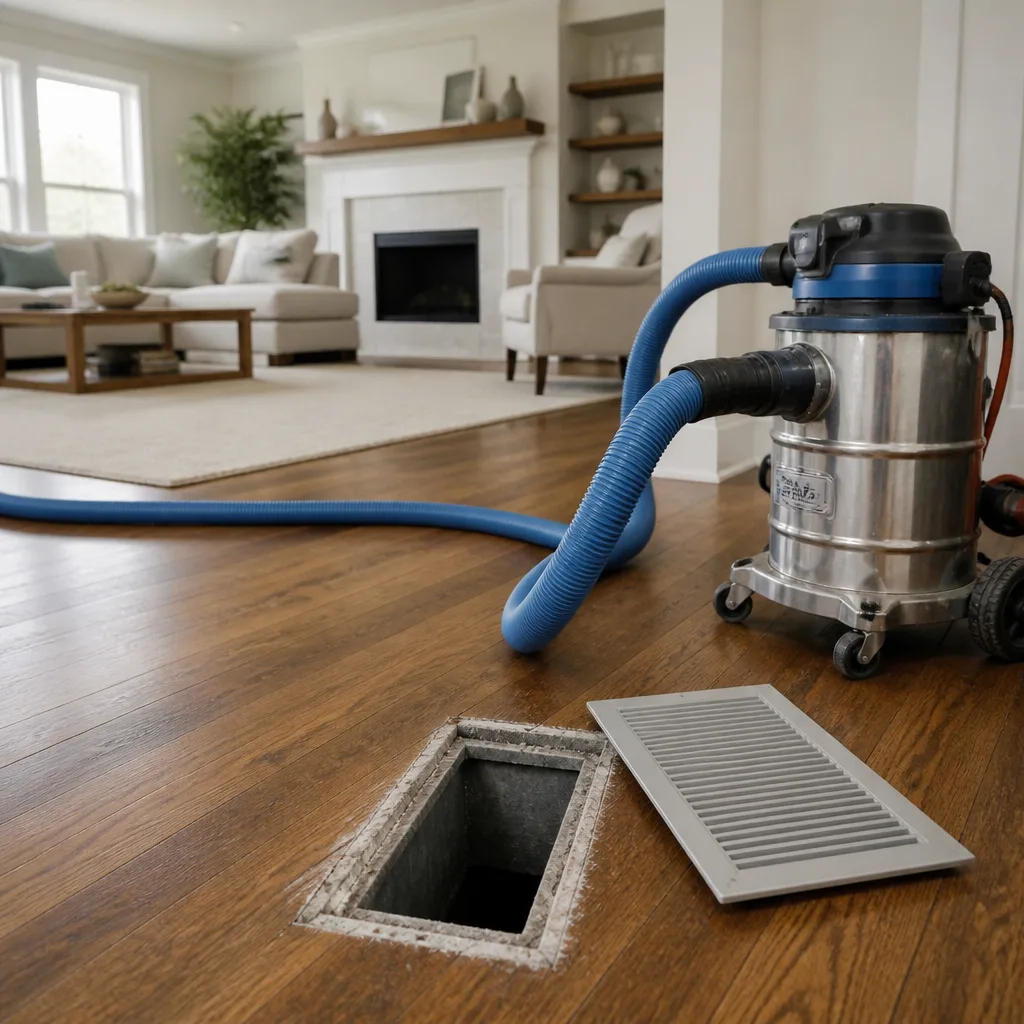 Whole-home duct cleaning
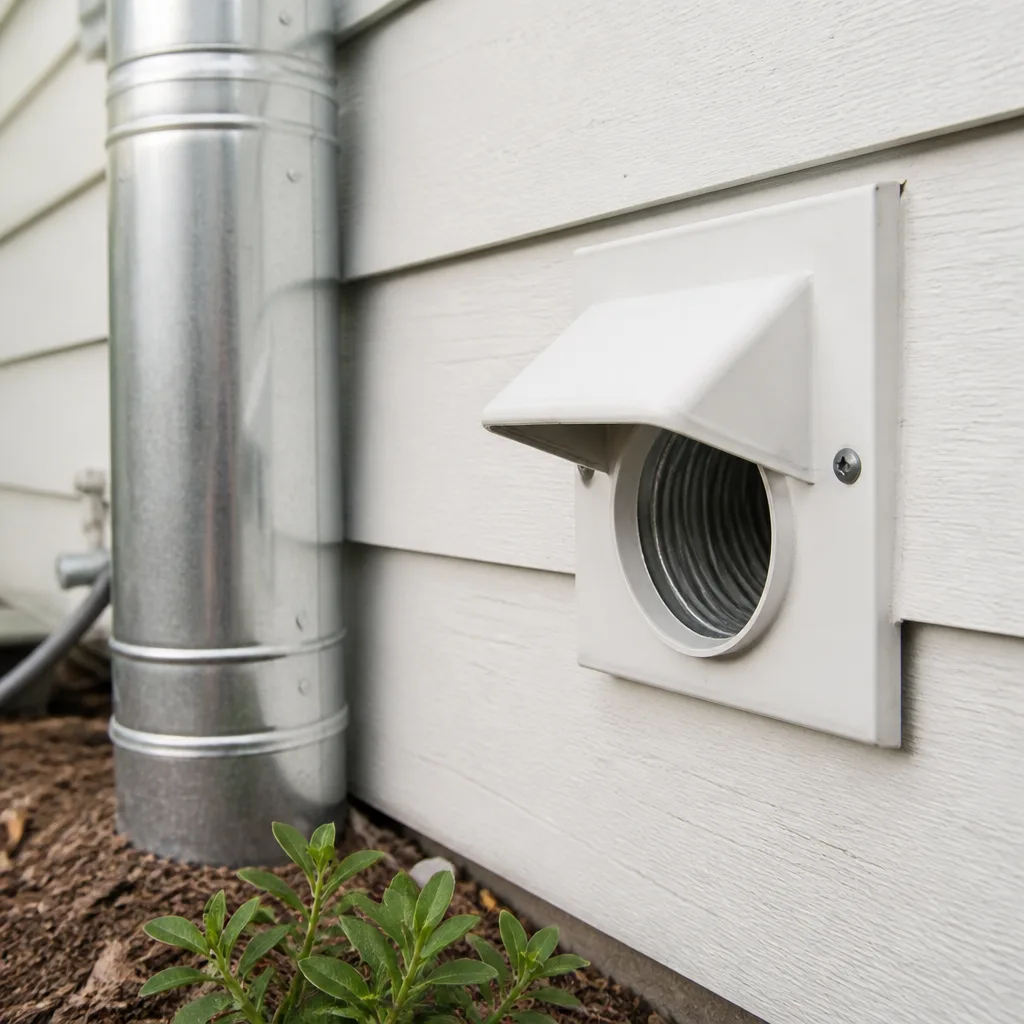 Dryer vent cleaning
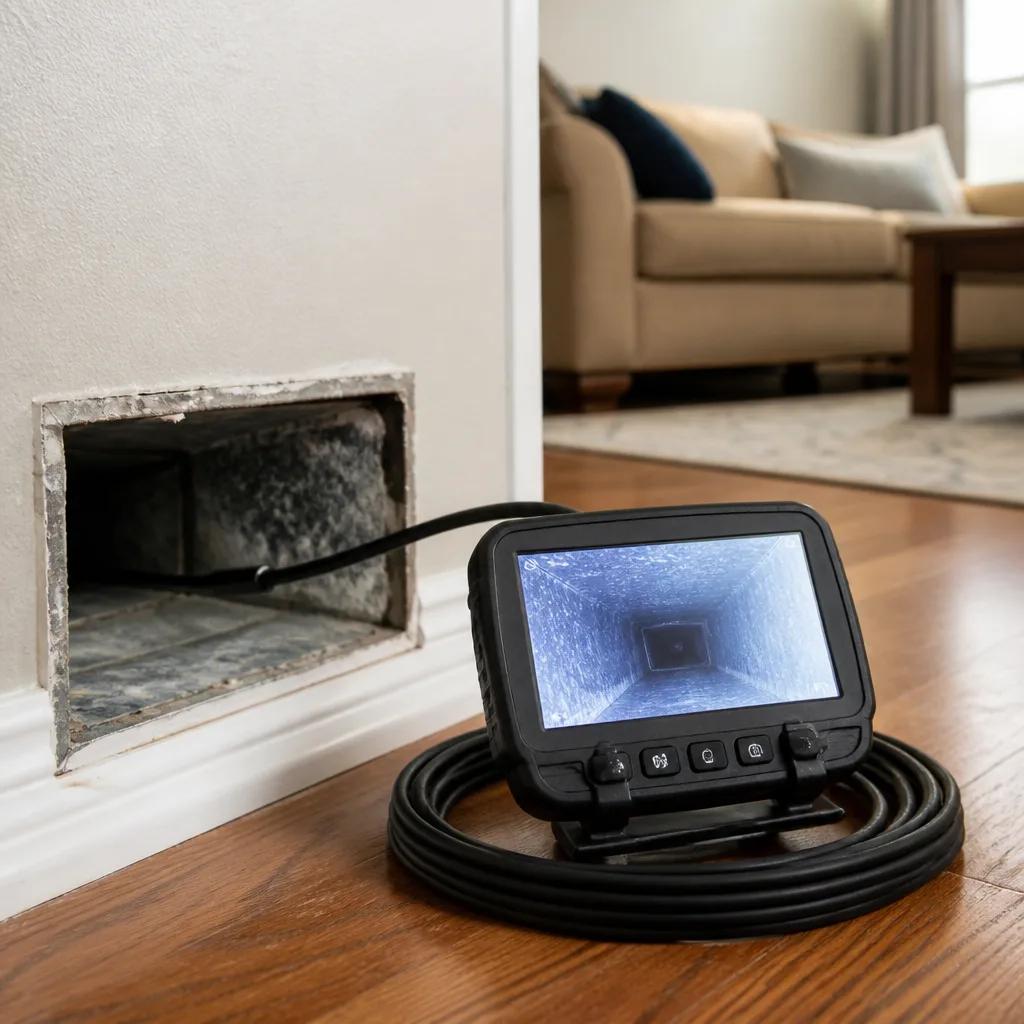 Camera inspection
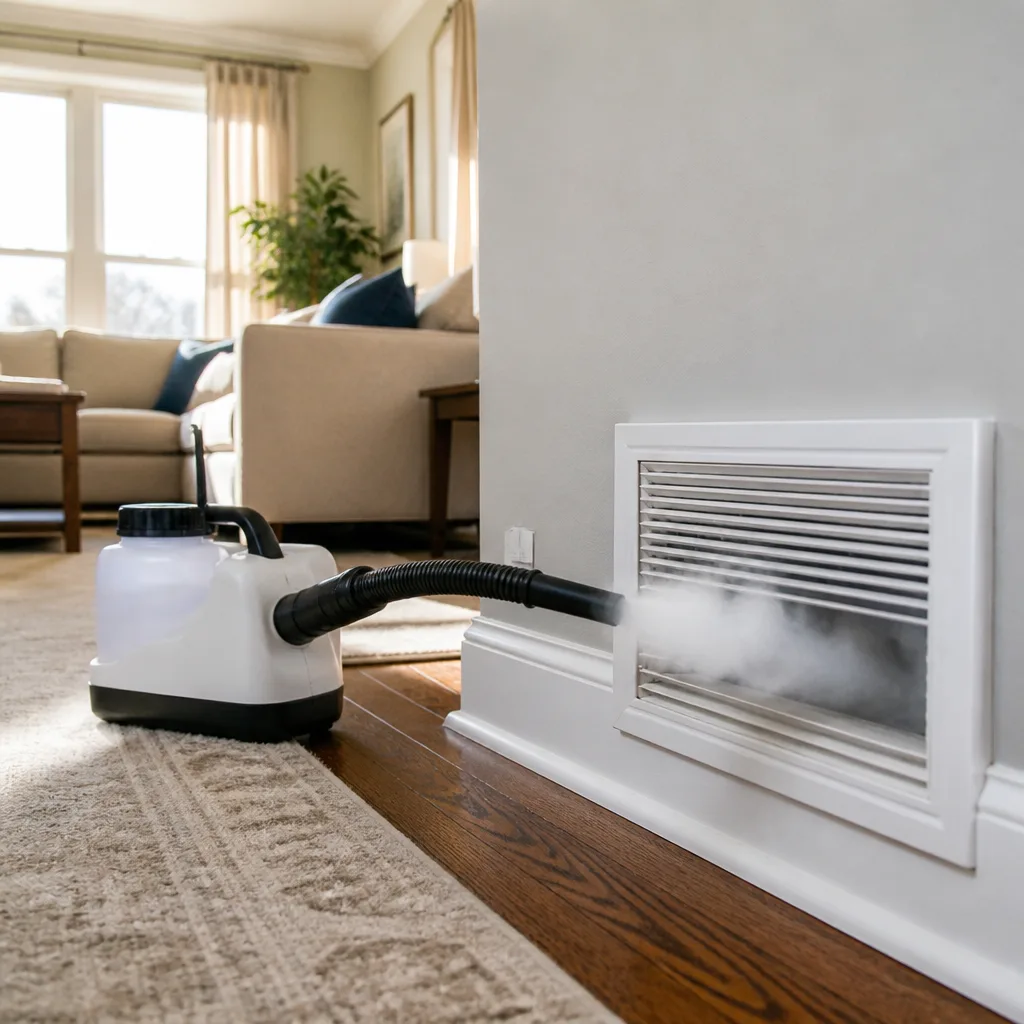 Sanitizing & deodorizing
Whole-system duct and dryer vent check with before-and-after photos - you see exactly what came out of your vents
That "$99 whole-house special" is a bait ad - the real number appears once they are in your hallway, or the "clean" is a shop-vac at the register. We photograph the inside of your ducts before and after instead.
Seasonal Air Duct Cleaning Care for Kensington: Year-Round Homeowner’s Guide
The mold that shows up in August didn’t start in August. It started back in May, when you closed the windows and the humidity your ducts couldn’t drain had nowhere to go. Most homeowners in Kensington treat duct cleaning as a single annual chore, and that’s exactly the schedule that misses what’s actually happening inside the system. Our four-season climate doesn’t just change what’s growing in your ducts; it changes what your HVAC system is doing to them. Each season hands you a different maintenance priority, and this guide walks through all four so you can stagger the light work yourself and stretch full professional cleaning intervals to three to five years without your air quality sliding. Kensington Air Duct Cleaning covers the full system, not just the vents.
Quick Answer
Seasonal duct care in Kensington means matching your inspection and light maintenance to what the system is doing that season: post-heating residue and filter bypass in spring, condensation and humidity control in summer, nest and damper checks in fall, and flex-duct and airflow checks during winter cold snaps. Handle those seasonal tasks yourself and schedule professional whole-system cleaning every three to five years, or sooner after a renovation, a new HVAC install, or visible mold.
Styles & brands we work with
- Whole-home duct cleaning
- Dryer vent cleaning
- Camera inspection
- Sanitizing & deodorizing
Table of Contents
- Spring: Post-Heating-Season Inspection Priorities
- Summer: How Cooling Mode Changes Condensation Risk
- Fall: Pre-Heating-Season Checks Before the First Cold Snap
- Winter: Flex Duct in Unconditioned Spaces and Airflow Loss
- How to Stagger Light Maintenance Across the Year
- What Professional-Grade Cleaning Actually Does Differently
- Common Mistakes to Avoid
- When to Call a Professional
Spring: Post-Heating-Season Inspection Priorities
Spring is the season most homeowners skip, and it’s the one that tells you the most. Your system has just run heat for months, and the ductwork is holding everything that furnace season deposited. Three things deserve your attention now: combustion byproduct residue, humidifier scale, and filter bypass contamination.
If you run a gas or oil furnace, the heat exchanger and flue are upstream of your ductwork, and any incomplete combustion leaves residue that can migrate into the supply side. You can’t inspect that yourself safely; a technician should check the heat exchanger and flue every spring, and a carbon monoxide detector on each level of the home is a baseline precaution, not a substitute for that inspection.
Whole-home humidifiers are the quiet offender. As they run through winter, mineral scale builds on the pad and water panel, and that scale can flake into the airstream once the system switches over in spring. Change the pad at the end of heating season, and if the humidifier sits upstream of the blower, have the housing cleaned at the same time as your HVAC cleaning.
Filter bypass is the third item, and it’s the one we see most often in older Kensington homes. A filter that’s slightly undersized, or a slot that’s bent, lets air slip around the filter instead of through it. Run your hand along the filter frame while the blower is on. If you feel air moving past the edge, dust is going straight into the coil. Straighten the frame, add foam gasket tape, or have the filter slot rebuilt.
Spring checklist
- Replace the humidifier pad and clean any visible scale from the housing.
- Check the filter fit and seal the bypass gap with foam tape.
- Book a furnace and heat exchanger inspection before you stop using heat.
- Look for dust streaks around supply registers, which point to leaky joints.
- Note any musty smell on the first warm day, before the AC starts running.
Summer: How Cooling Mode Changes Condensation Risk
Cooling mode changes the physics inside your ducts. In winter, the air in your supply ducts is warm and the duct surface is warm, so moisture isn’t a problem. In summer, the supply air is cold, the duct surface is cold, and in Kensington’s humid summers the surrounding air is loaded with water vapor. Any place where warm humid air meets a cold duct surface becomes a condensation point.
That’s why the mold you notice in August started when you closed up the house in May. The air conditioning pulls moisture out of the air at the coil, and the condensate drain carries it away. If the drain is partly clogged, or the pan is tilted the wrong way, that water sits. Standing water plus a warm dark duct interior is exactly the environment mold spores need. Check the drain pan and the condensate line once a month through the cooling season. Pour a cup of water down the drain line at the start of summer and watch that it flows freely.
- Insulation gaps: a bare section of supply duct in a humid attic or crawlspace will sweat. Look for damp spots or water stains on the duct wrap.
- Return duct leaks: a leaky return in a humid basement pulls damp air into the system and pushes it through the house.
- Oversized AC: a system that’s too large cools the house fast and shuts off before it has time to dehumidify. That’s a load calculation question, not a duct question, but the two are related.
- Bathroom and kitchen exhaust: run them while you cook and shower, and make sure they vent outside, not into the attic.
If you smell mustiness the first week the AC runs, don’t mask it with a plug-in. That smell is coming from the coil, the drain pan, or the duct lining, and it points to a moisture problem you want to find before it spreads. Air quality, improved, starts with fixing the water source.
Fall: Pre-Heating-Season Checks Before the First Cold Snap
Fall gives you a narrow window: the system is idle, the attic and crawlspace are still accessible without winter gear, and you can find problems before they run all winter. Three checks top the list.
Nest activity and pest intrusion
Rodents and insects look for warm shelter in early fall, and the duct system’s outdoor connections (the fresh-air intake, the condenser lineset penetration, and any exterior vent) are entry points. Look for droppings, shredded insulation, or gnaw marks near the furnace, the air handler, and any exterior duct penetration. A pest control tech and a duct tech often need to work together here, because sealing the entry point is a duct repair, not a pest job.
Settled dust loads
Dust settles in the duct runs that get the least airflow: the far end of a long trunk, the branch that feeds a spare bedroom, the run to an addition. If you can see a visible dust layer through a register with a flashlight, you’re looking at a settled load, and the first heating cycle will lift it back into the air. This is where air duct cleaning earns its keep, because a shop vacuum can’t reach the far end of a trunk run.
Damper function
Manual dampers in branch ducts let you balance airflow between rooms. Over the summer they can stick, or a contractor can leave them in a position nobody remembers. Open every register, turn the damper handle through its full range, and set them for the heating season. A damper stuck half-closed means one room runs cold all winter while the rest of the house overheats.
Fall checklist
- Inspect the attic and crawlspace for droppings, nests, and gnaw marks.
- Flashlight-check every supply register for visible settled dust.
- Cycle all manual dampers through full range and set for heating.
- Change the filter before the first heating cycle.
- Test the carbon monoxide detector on every level.
- Look for disconnected flex duct at the plenum and at every takeoff.
Winter: Flex Duct in Unconditioned Spaces and Airflow Loss
Winter cold snaps stress the duct system in a way no other season does. Flex duct in an unconditioned attic, crawlspace, or garage gets cold on the outside and warm on the inside, and that temperature difference makes any insulation gap or disconnected joint show up as a real loss. The system runs longer, the energy bill climbs, and the rooms farthest from the air handler get colder while the rest of the house stays comfortable.
Here’s how to identify airflow loss before your energy bill tells you. First, hold a tissue at each register and compare the deflection across registers. A supply register with noticeably weaker flow points to a disconnected or kinked run, or a damper stuck closed. Second, put your hand near any duct that runs through an unconditioned space. If you feel warm air escaping around a joint, or the duct surface itself feels cold while the system is running, you’ve found an insulation or connection failure. Third, listen. A whistling or rushing sound at a joint usually means a leak, and a rattle can mean a duct that’s come loose from its hanger.
Flex duct is particularly vulnerable because it’s easy to crush. A run that’s pinched by a stored box in the attic, or kinked at a sharp bend, can lose a large share of its airflow with no visible damage. When you’re in the attic, look at the duct’s cross-section. A flex run should be a full circle, not a flattened oval.
This is where Duct Repair & Sealing pays for itself. We repair what we find: reconnecting loose runs, re-taping and mastic-sealing joints, and replacing crushed sections, so the system stops losing air before the next cold snap. Sealing also stops the re-contamination that happens when a leaky return pulls attic or crawlspace dust into the system. If your ducts were cleaned and the air still feels dusty a season later, a leak is usually the culprit.
How to Stagger Light Maintenance Across the Year
The reason most cleaning schedules miss the mark is they assume the ducts are static. They aren’t. What accumulates changes with the season, and if you do the small tasks at the right time, you can stretch the interval between full professional cleanings to three to five years without your air quality degrading.
Here’s the schedule we recommend for a typical Kensington home:
- Spring: humidifier pad replacement, filter bypass check, furnace and heat exchanger inspection. This is your “close out heating season” month.
- Early summer: condensate drain flush, drain pan inspection, a look at supply duct insulation in the attic or crawlspace.
- Mid-summer: monthly drain check, register wipe-down, and a sniff test at each return for mustiness.
- Fall: pest inspection, damper cycle, first-cool-day filter change, settled-dust check at every register.
- Early winter: tissue test across all registers, hand test on unconditioned-space ducts, listen for whistling joints.
- Mid-winter: another filter change if you run a high-MERV filter, and a check that no stored items have crushed a flex run.
That’s six touchpoints a year, and most of them take less than fifteen minutes. The full professional cleaning sits on top of that rhythm every three to five years, or sooner if any of the triggers below fire. The light tasks don’t replace cleaning; they protect the cleaning interval by catching the problems that would otherwise force an early re-clean. If you’ve just finished a renovation, installed a new HVAC system, or moved into a home with no service records, the interval resets; book a cleaning now and then start the rhythm.
What Professional-Grade Cleaning Actually Does Differently
The gap between a surface clean and a whole-system clean is mostly about equipment, and it’s worth understanding before you compare bids. A consumer shop vacuum pulls a small volume of air and leaves the settled load at the far end of a trunk run. Professional-grade equipment does something different.
We use Rotobrush and Nikro systems, the same class of equipment certified HVAC contractors use. Rotobrush pushes a rotating brush through the length of a duct run while a high-volume vacuum pulls the loosened material out, which is what lets a technician reach the far end of a long trunk rather than just the first few feet behind the register. Nikro equipment adds HEPA-level filtration and containment for the extraction side. For homes with serious contamination (visible mold spores, fine particulates after a renovation, or heavy post-construction dust), we bring Abatement Technologies equipment for containment and HEPA-level extraction so the dust doesn’t migrate into the living space during the job.
Where most operators stop, we go further. We clean the air handler, the coil, the blower, and the plenum as part of HVAC cleaning, because a spotless duct system connected to a dirty coil re-contaminates within a season. We repair and seal the leaks we find, which addresses the root cause of air loss and re-contamination. And we can recommend and install Honeywell and Aprilaire air quality upgrades (filtration and purification) that extend the value of a cleaning visit and keep the system cleaner between visits. Guardsman components round out the system-level picture when a repair calls for them.
One flat price per system, agreed before the work starts. Not per-vent pricing, not a teaser coupon that grows on the invoice. And before-and-after photos of your own ducts, so you can see what came out rather than take our word for it. Our technicians have up to 12 years of experience, and the local pro we connect you with is licensed and insured as their state requires.
Common Mistakes to Avoid
- Treating duct cleaning as a once-a-year checkbox. The ducts aren’t static, and a single annual visit misses the seasonal shifts that matter most. Match tasks to the season instead.
- Skipping spring entirely. In Kensington, spring is when humidifier scale and filter bypass do the most damage, and it’s the only window you have before cooling season locks the house up.
- Ignoring the condensate drain through summer. A partly clogged drain in a humid Kensington summer is the most common starting point for the mold you notice in August. Flush it before the cooling season and check it monthly.
- Assuming the cheapest quote is the same job. A crew with a shop vacuum and no containment isn’t doing the work a Rotobrush or Nikro system does. Ask what equipment they bring and whether they clean the air handler and coil.
- Cleaning without sealing. If the ducts have leaks, cleaned ducts re-contaminate through the leaks within a season. Duct Repair & Sealing is what makes the cleaning hold.
- Letting a stored box crush a flex run in the attic. A pinched duct can lose a large share of its airflow, and it’s invisible from the living space. Look at the cross-section when you’re up there.
- Chasing a musty smell with a plug-in rather than finding the source. That smell is moisture, and it’s coming from somewhere in the system. Masking it lets the source keep growing.
When to Call a Professional
Not every seasonal task belongs to you. Call a professional when you see visible mold growth inside a register, on the coil, or on the duct lining; after any renovation or new HVAC install; when a flex duct is disconnected, crushed, or kinked beyond a simple re-hang; when pest activity has reached the duct system; or when you’ve finished cleaning and a musty smell returns within a season. Those are all signs of a problem a shop vacuum and a filter change won’t solve. They need containment, HEPA-level extraction, and the equipment to reach the length of the system. If you’re not sure whether you’re looking at normal dust or something more, that’s a good reason to call too.
Kensington Air Duct Cleaning offers free estimates in Kensington. Call (877) 792-6865. We answer 24/7. Fast dispatch from 7am to 7pm, Sunday through Friday. Our five services (Air Duct Cleaning, dryer vent cleaning, HVAC Cleaning, Duct Repair & Sealing, and Air Quality & Sanitizing) cover the full indoor air system, so you’re not coordinating multiple vendors to get one answer. And if you’re booking at the same time, ask about the dryer vent; it’s a separate fire-hazard risk from the HVAC system, and most homeowners have never had it looked at.
See the difference
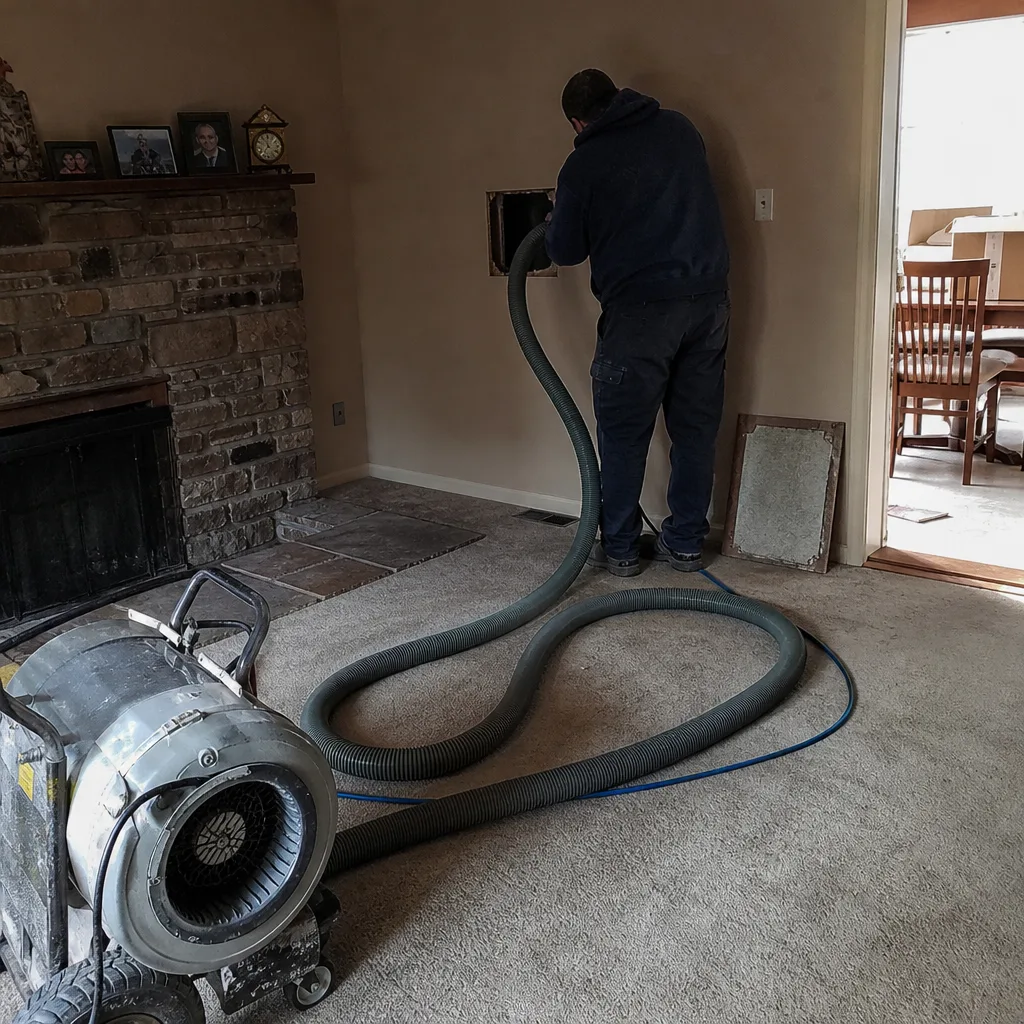 Before
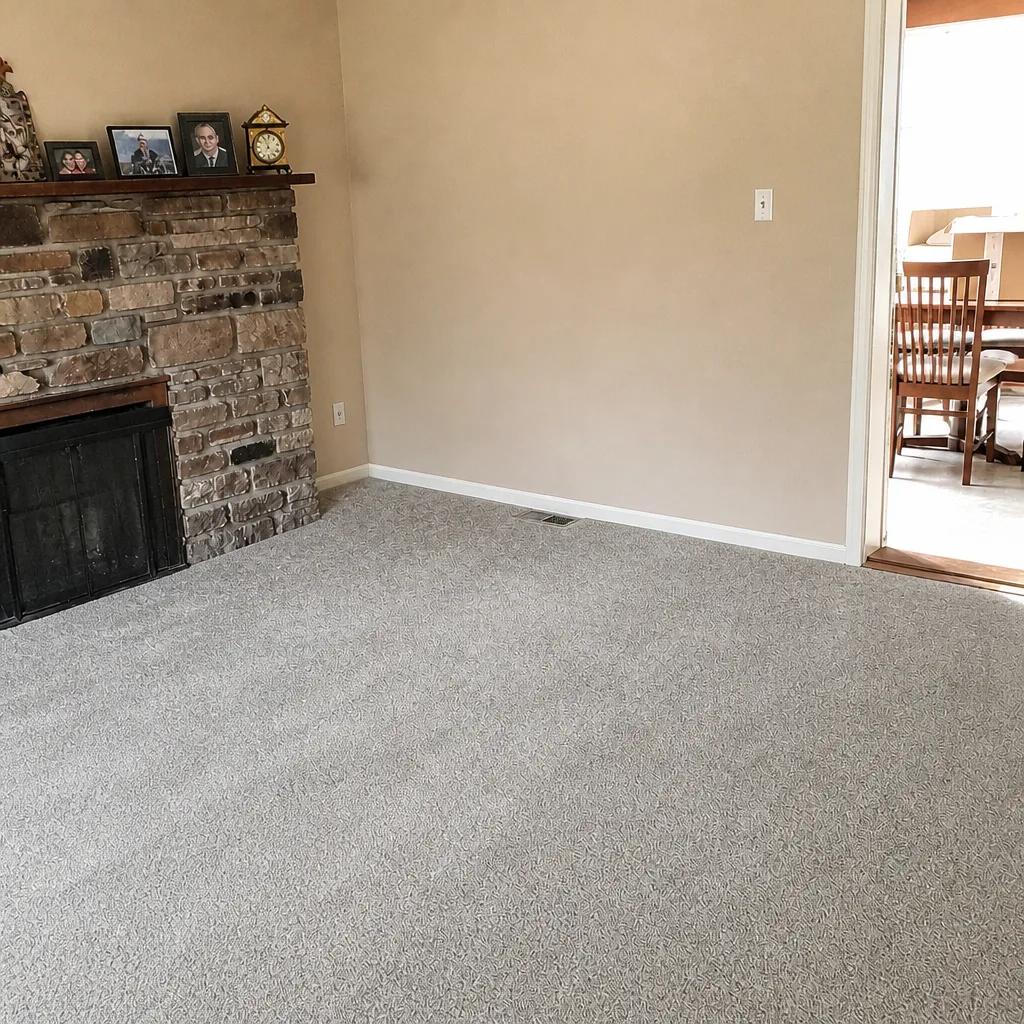 After
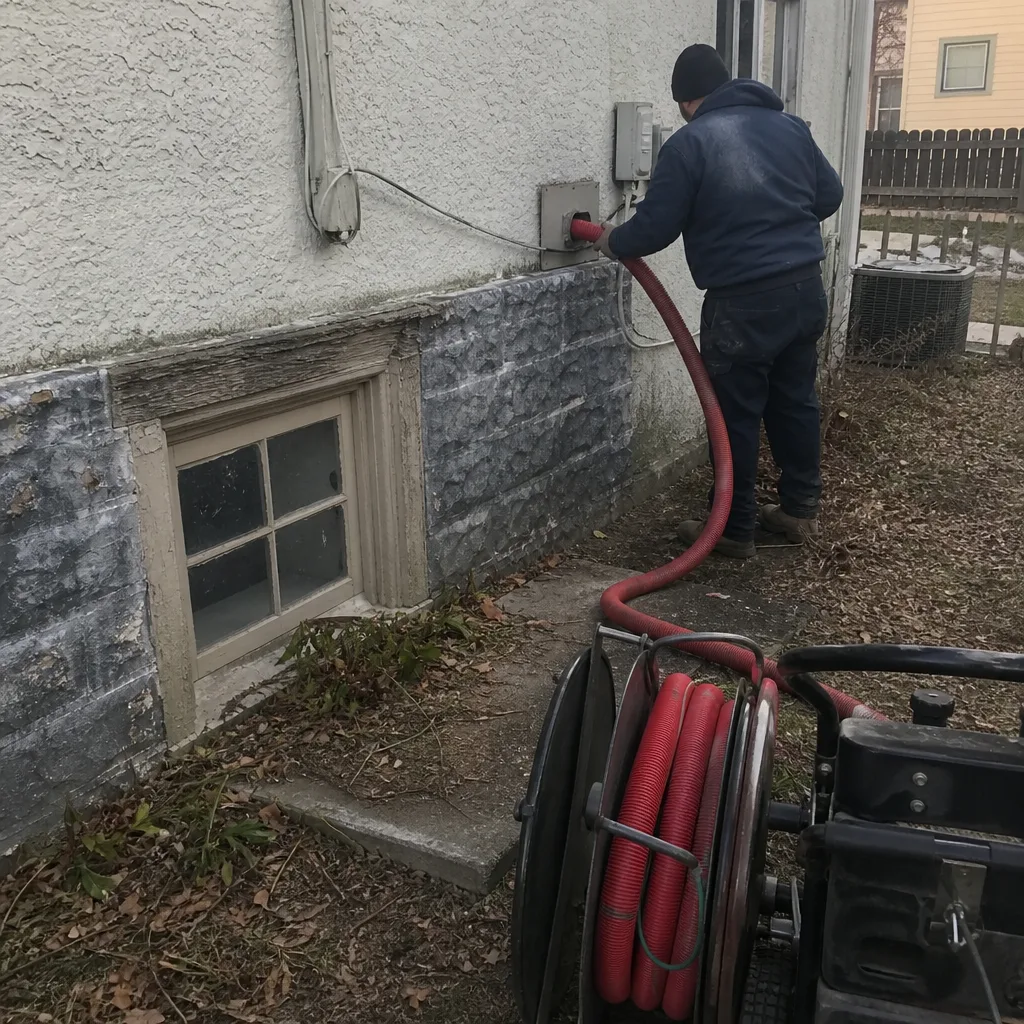 Before
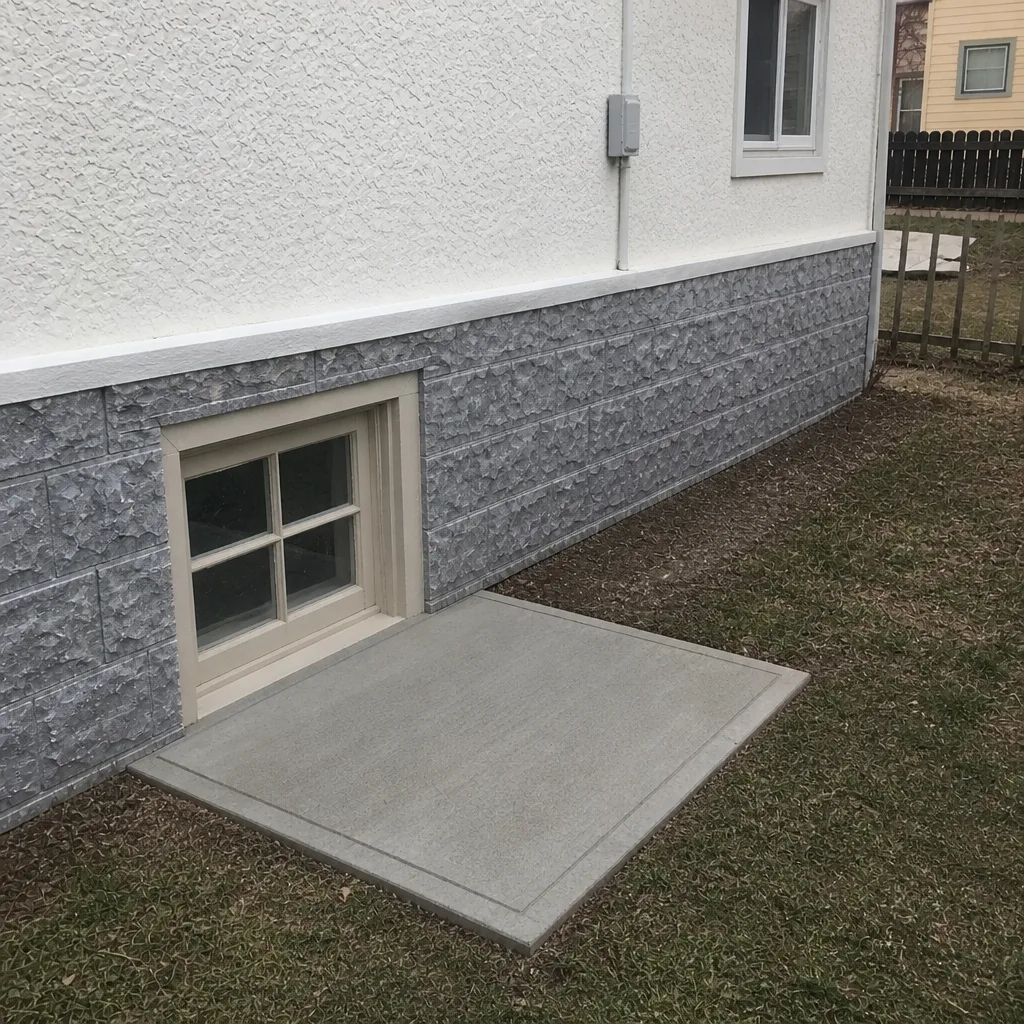 After
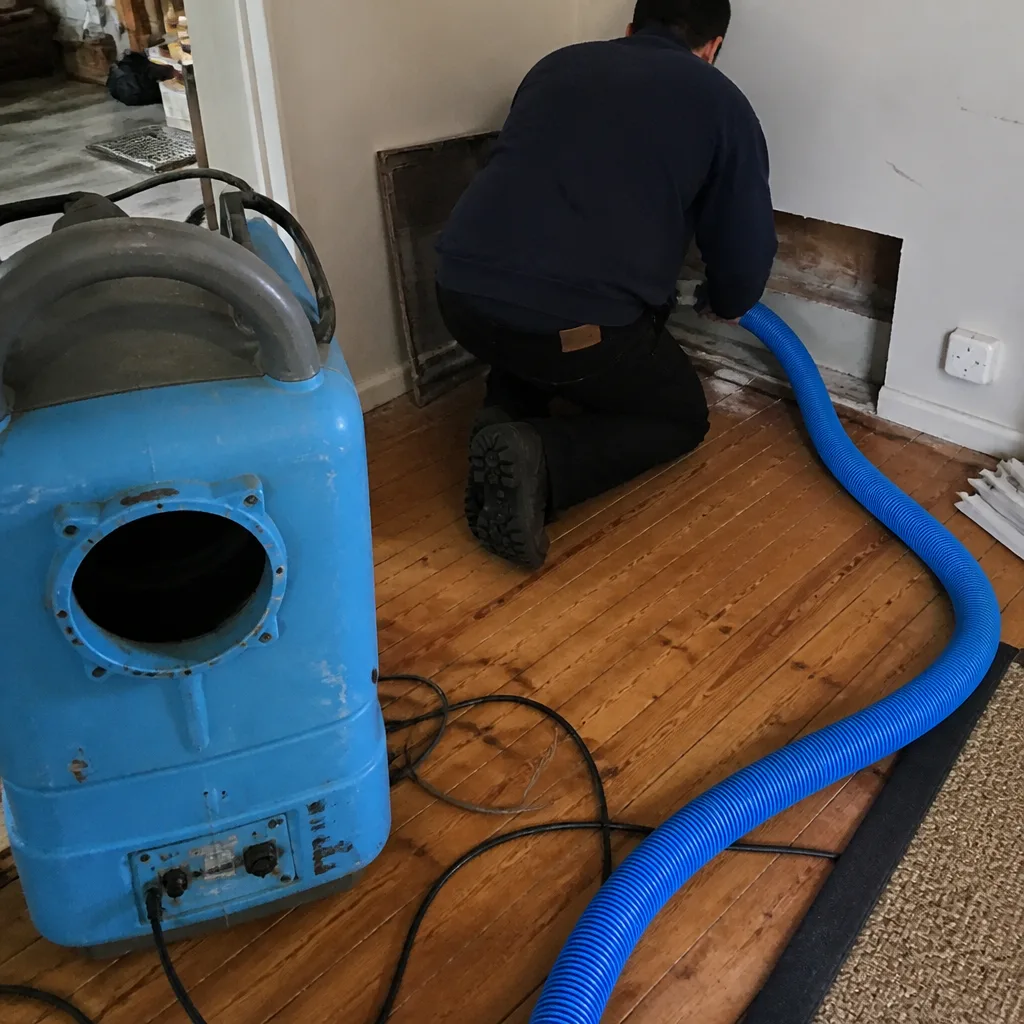 Before
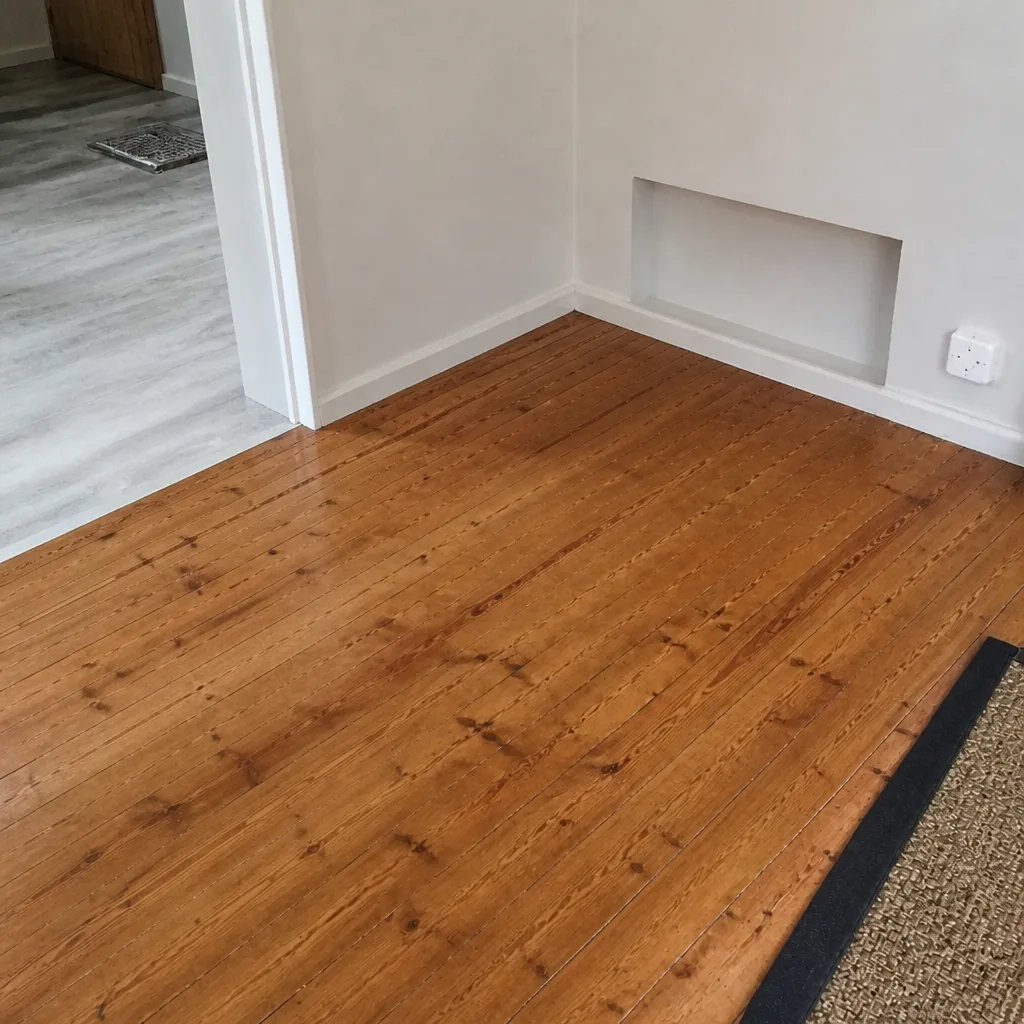 After
Frequently Asked Questions
Every three to five years for a typical home that keeps up with the seasonal light tasks in this guide. Homes with allergy concerns, pets, recent renovations, or a new HVAC install often need it sooner. The seasonal tasks don’t replace cleaning; they protect the interval by catching problems before they force an early re-clean. Call (877) 792-6865 for a free estimate and we’ll tell you where your system actually stands.
Because summer is when the system makes moisture. Cold supply air meets warm humid duct surfaces, and the condensate drain carries the water away; if the drain is partly clogged or the pan is tilted wrong, that water sits in a warm dark interior and mold spores have what they need. Check the drain pan and flush the condensate line before the cooling season. If the smell returns within a season of a cleaning, call us for an inspection.
Both, every time. A spotless duct system connected to a dirty coil and blower re-contaminates within a season, and the coil is where most of the moisture drama happens. HVAC cleaning is part of our full-system scope for that reason. Call (877) 792-6865 for a free estimate, and ask what equipment the crew brings before you book.
The equipment and the scope. A shop vacuum pulls a small volume of air and leaves the settled load at the far end of a trunk run; Rotobrush and Nikro systems reach the length of the run and contain what comes out. Professional cleaning also covers the air handler, coil, and plenum, and includes before-and-after photos of your own ducts. We set one flat price per system before the work starts. Call (877) 792-6865. We answer 24/7. Fast dispatch from 7am to 7pm, Sunday through Friday.
Cleaning alone won’t hold if the ducts leak. A leaky return pulls attic or crawlspace dust into the system, and a leaky supply loses conditioned air before it reaches the room, so the cleaning you paid for is undone within a season. If you see dust streaks at joints, feel escaping air around a connection, or notice the air still feels dusty a month after cleaning, sealing is the missing piece. Call (877) 792-6865 for a free estimate.
Pest activity, settled dust, and damper function, in that order. Look for droppings and gnaw marks in the attic and near the air handler, flashlight-check every supply register for visible dust, and cycle every manual damper through full range. Change the filter, and test the carbon monoxide detector on every level. If any of those turn up a real problem, call (877) 792-6865 for a free estimate.
The Bottom Line
Seasonal duct care in Kensington isn’t about cleaning more often; it’s about cleaning the right things at the right time. Spring is for closing out heating season: humidifier scale, filter bypass, and a proper furnace check. Summer is about moisture: the condensate drain, the pan, and the insulation gaps that turn cold ducts into condensation points. Fall is your pest-and-damper window before the first cold snap. Winter is when flex-duct problems in unconditioned spaces show up as airflow loss and a climbing energy bill. Do the six light touchpoints a year, schedule a full professional cleaning every three to five years, and address leaks with sealing rather than a repeat clean. If you’d rather have a technician walk the system with you, Kensington Air Duct Cleaning is one call away.
Call (877) 792-6865 for a free estimate. We answer 24/7. Fast dispatch from 7am to 7pm, Sunday through Friday.
Written by the team at Kensington Air Duct Cleaning.