
Last updated November 22, 2026
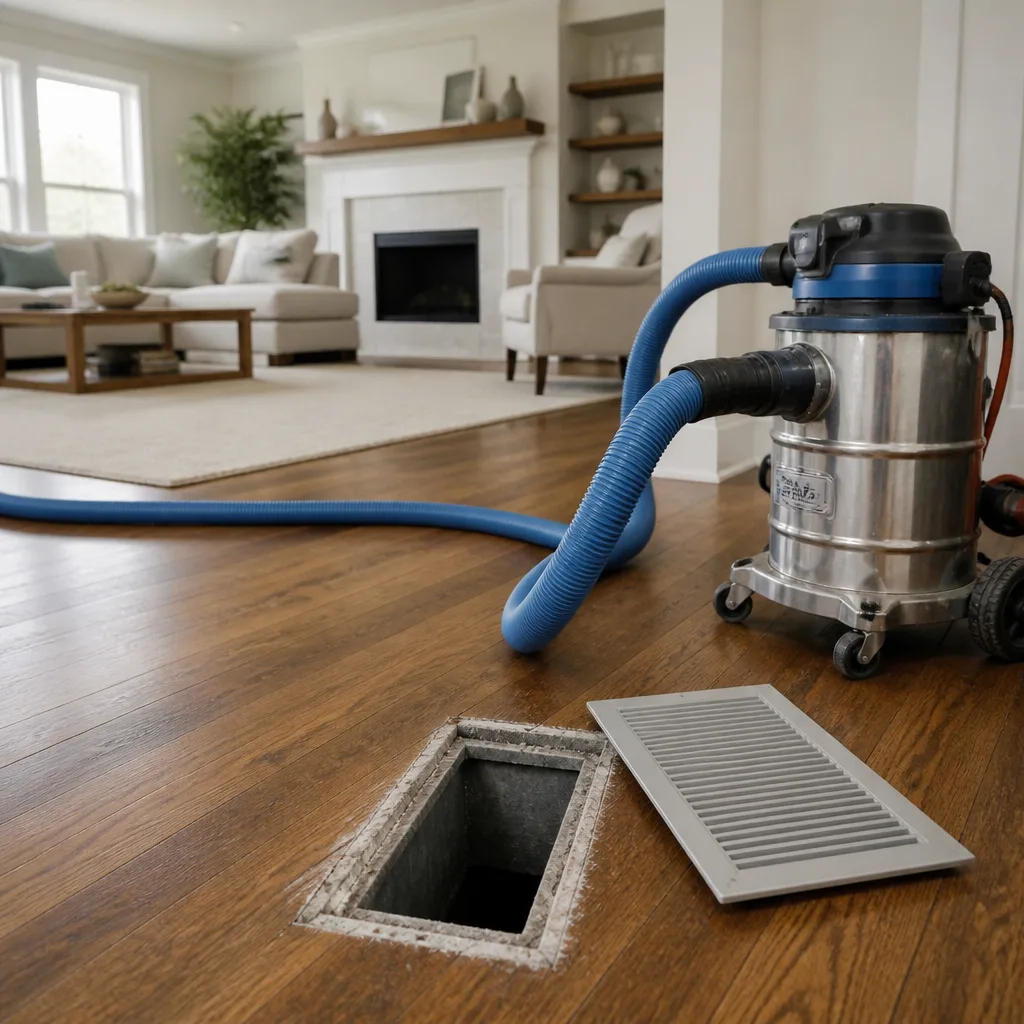 Whole-home duct cleaning
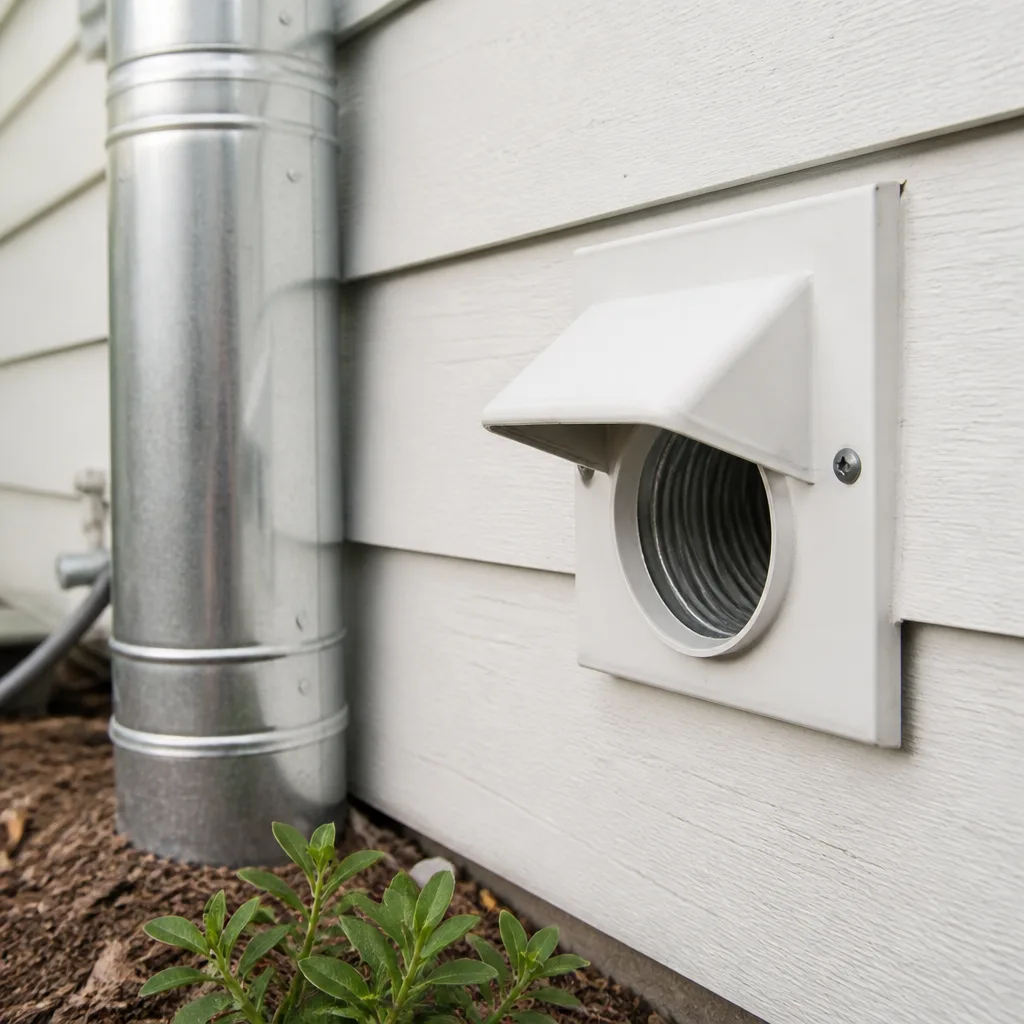 Dryer vent cleaning
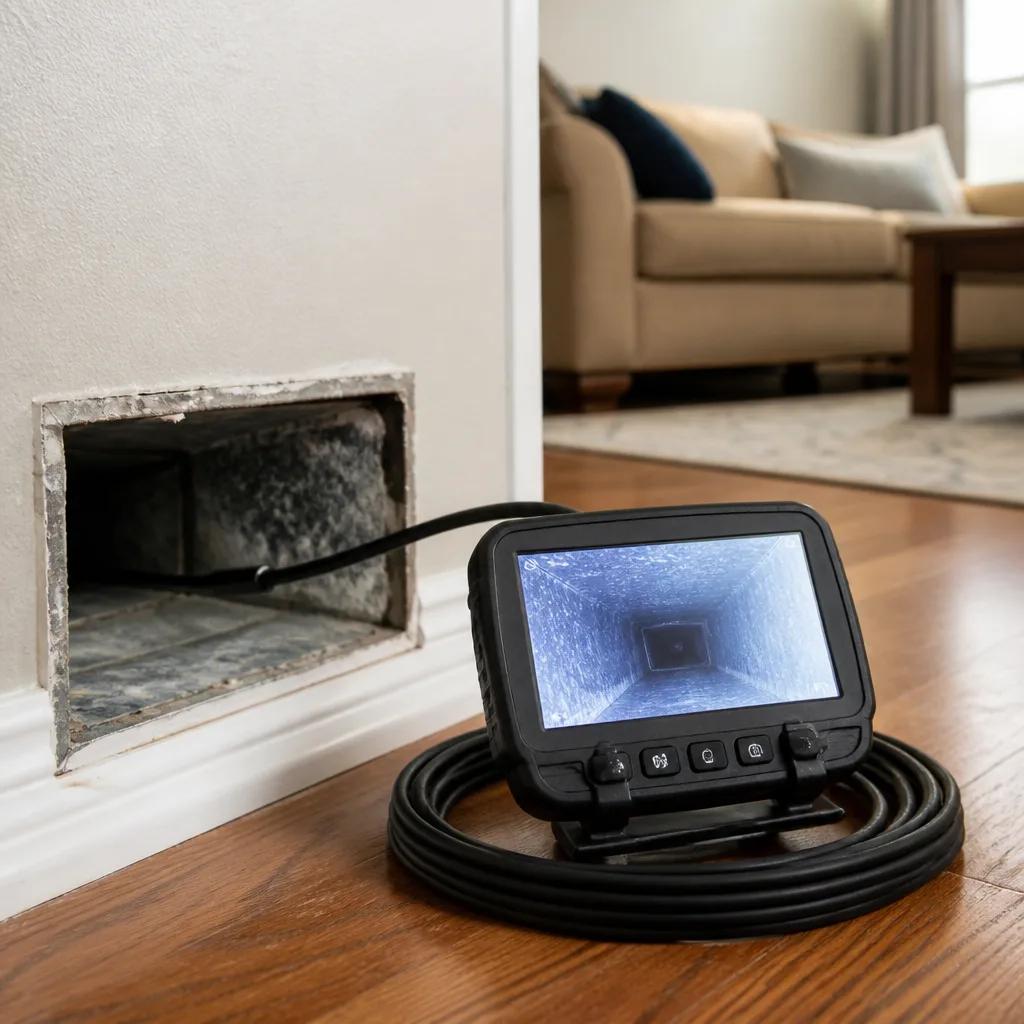 Camera inspection
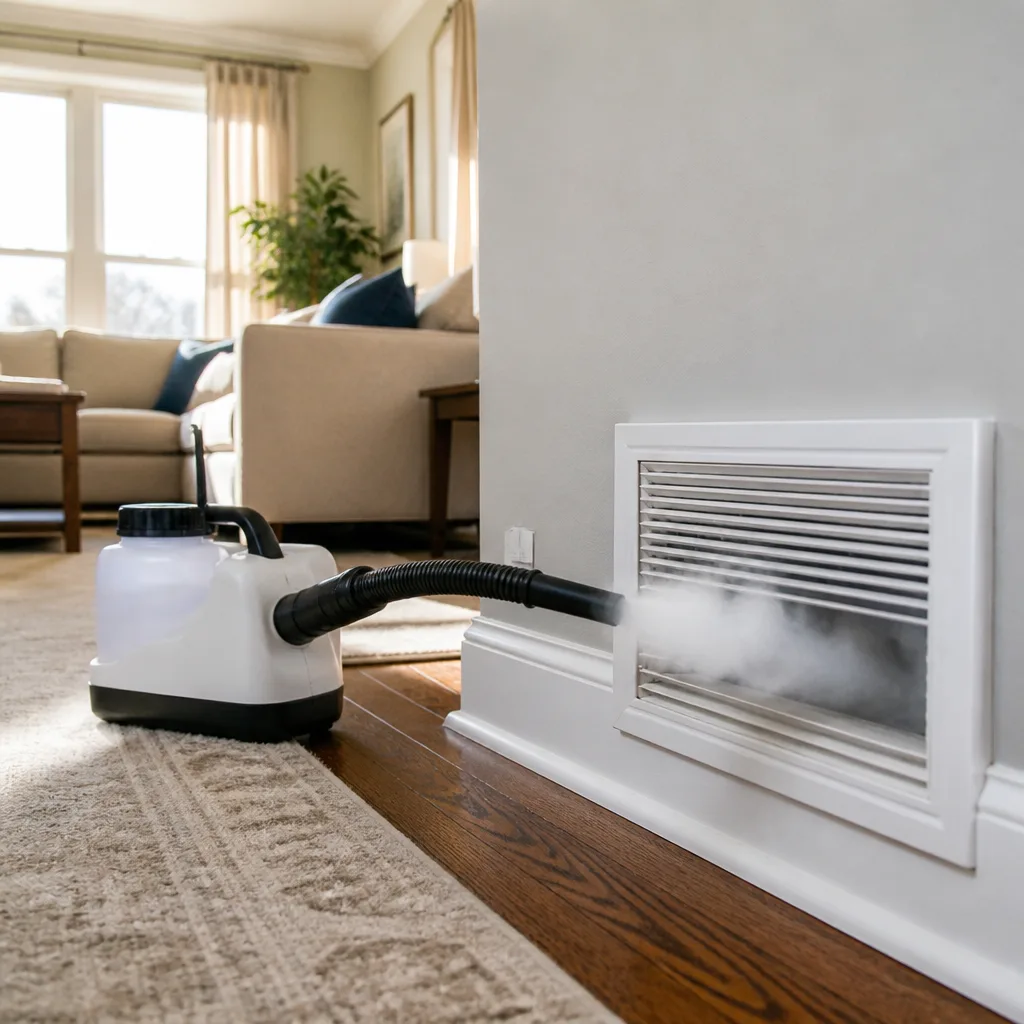 Sanitizing & deodorizing
Whole-system duct and dryer vent check with before-and-after photos - you see exactly what came out of your vents
That "$99 whole-house special" is a bait ad - the real number appears once they are in your hallway, or the "clean" is a shop-vac at the register. We photograph the inside of your ducts before and after instead.
DIY vs Professional Air Duct Cleaning: The Kensington Homeowner’s Decision Guide
Every DIY duct cleaning guide skips the most important part: the physics. A shop vac and a spinning brush don’t remove contamination from your ductwork so much as redistribute it, because without a system running under negative pressure, loosened debris has nowhere to go but into the rooms you breathe in. That single fact reshapes the whole DIY-versus-professional question. It isn’t really about effort or cost. It’s about whether the dust, dander, and mold spores you dislodge get captured or scattered. In this guide, the Kensington Air Duct Cleaning team walks through how negative pressure containment actually works, what a homeowner can legitimately do between professional visits, the specific ways DIY attempts go wrong, and how to decide what’s right for your home.
Quick Answer
Professional air duct cleaning is worth it when your ducts are contaminated with visible debris, mold, or post-renovation dust, because only a system under continuous negative pressure can capture what a brush loosens instead of blowing it into your living space. DIY makes sense for the lighter maintenance tasks: cleaning supply registers, vacuuming return grilles, and pulling lint from a dryer vent. The dividing line is source removal versus surface tidying, and that line comes down to equipment and containment, not willpower.
Styles & brands we work with
- Whole-home duct cleaning
- Dryer vent cleaning
- Camera inspection
- Sanitizing & deodorizing
Table of Contents
- Why Negative Pressure Is the Whole Ballgame
- What You Can Legitimately Do Yourself
- Where DIY Attempts Cause Real Damage
- The Equipment Gap: CFM and Containment
- DIY vs Professional: An Honest Cost Comparison
- Using DIY Maintenance Between Professional Intervals
- How to Tell Whether Your Ducts Actually Need Cleaning
- How to Choose a Professional in Kensington
Why Negative Pressure Is the Whole Ballgame
Source removal means capturing contamination at the point where it lives and pulling it out of the system into a sealed container. Surface cleaning means moving dust around. The difference between the two is negative pressure: a machine that holds the entire duct run under a slight vacuum while a brush or air whip disturbs the debris inside. Because the pressure is lower inside the ducts than in the room, loosened particles travel toward the machine, not toward your sofa.
Without that vacuum, the moment a brush touches accumulated dust, the particles become airborne inside a channel that connects to every register in the house. The HVAC fan, the stack effect of a two-story Kensington home, and ordinary foot traffic all help distribute them. What you’ve done is not a cleaning. You’ve aerosolized the contents of your ductwork into the rooms you were trying to protect.
Professional systems handle this in two coordinated pieces:
- A high-volume vacuum source connected to the main trunk or a strategic access point, holding the whole system under negative pressure.
- An agitation tool – a rotary brush, air whip, or compressed-air nozzle – that loosens debris so the vacuum can carry it away.
- Containment, sometimes including HEPA filtration at the exhaust, so fine particulates and mold spores don’t escape back into the home during the job.
This is the model behind the Rotobrush and Nikro systems the Kensington Air Duct Cleaning team works with daily, and behind the Abatement Technologies equipment used when contamination is heavier – mold spores, fine particulates, post-construction dust. Those tools exist because the physics demands them. A shop vac can’t substitute for them any more than a garden hose can substitute for a pressure washer.
If you take one thing from this guide, take this: a duct cleaning that isn’t run under negative pressure is not a duct cleaning. It’s a dust redistribution event with extra steps.
What You Can Legitimately Do Yourself
There’s real work a homeowner can and should do. None of it involves reaching inside the ductwork with a brush. The useful DIY tasks are all at the accessible surface: the parts of the system you can see, reach, and clean without disturbing what’s hidden inside the runs.
Here’s where DIY genuinely helps:
- Clean and vacuum supply registers. Pop off the grille, wash it in the sink, and vacuum the visible throat of the register boot with a brush attachment. This removes dust that would otherwise get pulled into the airstream every time the system runs.
- Vacuum return grilles regularly. Returns pull in far more dust than supplies push out, so their grilles load up faster. A monthly pass with a brush attachment keeps the surface from caking.
- Pull lint from the dryer vent line. Disconnect the flex from the back of the dryer and clear the visible lint with a vacuum and a long brush. This is one of the highest-value homeowner tasks in the entire house, and it’s why dryer vent cleaning sits inside the Kensington service scope rather than being treated as an afterthought.
- Replace filters on schedule. A clean filter is the simplest air-quality intervention available. Match the MERV rating to what your system’s blower is rated for; pushing too high a rating onto an older blower can strain airflow.
- Keep returns clear of obstruction. Furniture, rugs, and storage boxes pressed against return grilles cut airflow and drive up static pressure, which makes every other dust problem worse.
What DIY cannot do is reach inside the trunk lines, the branch runs, the plenum above the air handler, or the coil and blower cabinet. Those areas hold the contamination that matters most and produce the symptoms people actually notice – musty smells, allergy flare-ups, uneven airflow. Reaching them safely takes access cuts, containment, and equipment that generates real airflow. That’s the boundary. Everything on the accessible side is yours to maintain; everything on the hidden side belongs to a trained technician. If you want a broader look at how full-system cleaning is structured, our air duct cleaning overview lays out the steps.
Where DIY Attempts Cause Real Damage
DIY duct cleaning doesn’t just fail to help. In specific scenarios it actively creates problems that cost more to fix than the original cleaning would have. In our experience, the same handful of failure modes show up again and again.
Dislodging debris into the air handler
The air handler and evaporator coil sit at the heart of the system, downstream of every return. Loosen dust upstream with a brush and no vacuum to catch it, and some of that dust settles on the coil and blower wheel. A dirty coil loses cooling capacity and can ice up; a loaded blower wheel becomes unbalanced and noisy. Both are real repair bills, and neither gets fixed by more brushing.
Breaking flex duct seals
Kensington homes – especially older ones with retrofit ductwork and those with flexible runs in attics and crawlspaces – often have flex duct joined with tape and mastic that has aged. Pushing a rigid brush through a flex run can tear the inner liner or crack a joint, opening a leak that dumps conditioned air into an attic. A leak doesn’t just waste energy. It pulls in whatever dust and insulation fibers live in that space, re-contaminating the run every time the system runs.
Pushing mold deeper
Mold spores in ductwork don’t announce themselves. Where there’s persistent moisture – a humid summer, a sweating coil, a damp basement return – spores can colonize duct surfaces. Agitate that growth without containment and you spread spores through the whole house. Once mold is established inside inaccessible sections, the fix is rarely more cleaning; it’s often cutting out and replacing the affected run. That’s a job for someone who can evaluate the moisture source and the extent of growth first.
The short version
The pattern across all three failures is the same: a homeowner disturbs what’s inside the ductwork without the equipment to capture it. The problem gets spread or moved rather than removed. That’s why our rule of thumb is simple. If you can see it and reach it without opening the duct, it’s yours. If it’s inside the runs, call someone.
The Equipment Gap: CFM and Containment
The machines available to consumers don’t generate the airflow professional systems do, and no amount of technique makes up the difference. CFM – cubic feet per minute – is the measure of how much air a vacuum can move. A serious duct cleaning machine pulls enough air through a duct run to carry loosened debris all the way back to the collection container. A typical shop vac pulls a fraction of that, and it filters at a level that lets fine dust pass straight through the exhaust.
Here’s the comparison that matters:
- Consumer shop vac: Low CFM, small capacity, filters that capture the big chips and pass the fine dust. Useful for register surfaces and floor cleanup. Not built to hold a duct system under negative pressure.
- Entry-level rotary tools: Some agitation capability, but limited airflow behind it. The brush loosens debris the vacuum can’t fully carry away.
- Professional rotary and negative-pressure systems: Rotobrush and Nikro systems are designed as matched pairs – a high-volume vacuum and an agitation tool that work together. The vacuum holds the run under negative pressure; the brush reaches the walls of the duct; the debris goes into the collection bag along with the fine dust.
- Abatement-grade equipment: For heavier contamination – mold, fine particulates, post-construction dust – HEPA-level filtration and containment become non-negotiable. The Abatement Technologies gear the Kensington team uses exists for exactly this tier of job.
Equipment rental doesn’t close the gap. Consumer rental outlets don’t stock duct cleaning systems; the homeowner-grade tools you’ll find are essentially shop vacs with a longer hose. The negative pressure that makes a cleaning a cleaning isn’t something you can rent at a big-box store. And a technician who knows how to read airflow, spot leaks, and recognize a moisture problem while they’re in there is the other half of the equation. Equipment plus judgment – that’s what you’re paying for. Our technicians have up to 12 years of experience reading exactly these situations, which is why we can tell you honestly whether your ducts need cleaning at all.
DIY vs Professional: An Honest Cost Comparison
The cost comparison most guides run is dishonest in a small way: it compares a DIY effort that doesn’t do the job to a professional cleaning that does. A fair comparison has to account for equipment limits and for the downside of a botched attempt.
- True DIY cost: A shop vac, a brush kit, and your weekend. Modest. But you’re buying access to register surfaces, not the duct run. The machines available to a homeowner don’t generate the CFM or filtration a real cleaning needs.
- The cost of a botched attempt: A cracked flex joint, a dirty coil, or a mold problem that requires cutting out a run. Each of those is a repair bill that starts where a proper cleaning would have ended. This is where the “cheap” option stops being cheap.
- Professional cost: Priced per system, per job, off a written estimate. It’s not the cheapest line item in home maintenance, but it’s the one that removes contamination rather than moving it. Most companies, including the one we write for, structure it that way because per-vent pricing encourages exactly the teaser-price dynamic that has given this industry a bad reputation.
- Rental cost: Even where you can rent a fancier vacuum, it still doesn’t hold the system under negative pressure, and you still have to figure out access, containment, and where the contamination actually lives. The rental receipt becomes another cost with no real cleaning behind it.
Something worth saying about pricing in general: the number isn’t fixed across the market. A quote for the same square footage can come in well below a careful competitor’s quote because the low one is only cleaning the surface – register grilles and maybe the first few feet of duct – and calling it a full-system job. When you’re comparing quotes, ask what the cleaning includes and how they confirm the work was done. Before-and-after photos taken in your own home are the honest version of that answer. Bear that in mind reading HVAC cleaning, which covers the coil and air handler side of the system and often surfaces the real source of a complaint.
Using DIY Maintenance Between Professional Intervals
DIY and professional cleaning aren’t opposites. They’re a team, if you use them that way. The right model is periodic professional cleaning of the full system, supported by regular homeowner-level maintenance that keeps the ducts cleaner for longer and surfaces problems early.
- Replace filters on a schedule. Check them monthly, change them on the manufacturer’s interval or sooner if you’re in a high-pollen season. A clogged filter is the most common cause of dirty return ducts and stalled airflow.
- Vacuum return grilles monthly. A brush attachment and two minutes per return. This keeps the loading on the return run low between cleanings.
- Wash supply registers seasonally. Pop them out, wash them in the sink, and reinstall when dry. It’s the easiest visible improvement to indoor air quality a homeowner can make.
- Keep the dryer vent clear. Pull the visible lint monthly and have the full run cleaned periodically. Lint buildup is a real fire risk and one most homeowners never look at.
- Track symptoms, not just cleanings. Write down when you noticed the musty smell, the increased allergy symptoms, or the uneven airflow. Those notes turn a future conversation into a concrete decision rather than a vague hunch.
That last point matters. You don’t clean ducts on a stopwatch. You clean them when the evidence says they need it – visible dust at the registers, a smell, a renovation, a new HVAC install, or allergy symptoms you can’t otherwise explain. Between those events, your maintenance routine is what keeps the system from loading up faster than it should.
How to Tell Whether Your Ducts Actually Need Cleaning
Not every home needs a cleaning, and a good provider should tell you so. There’s a difference between “you should clean these” and “you should have someone take a look.” Here’s how to figure out which one you’re in before you spend anything.
- Visible dust at the registers. A thin film is normal wear. Thick, recurring dust buildup at the grilles points to a deeper issue inside the run.
- A persistent musty or stale smell when the system runs. Often a sign of moisture and microbial growth somewhere in the system. Worth a professional look, especially with an older home or a basement return.
- Recent renovation. Drywall dust, sawdust, and construction debris get pulled into return ducts and settle in the runs. This is one of the clearest cases for a professional cleaning, since the fine particulates want HEPA-level containment.
- New HVAC install. A new system connected to an old, contaminated duct network undoes much of what you paid for. Cleaning at install is a defensible move.
- Allergy or respiratory symptoms that track with the system running. This is a medical question as much as an air quality one, but a cleaning can remove a known source of allergens. It’s worth discussing with your doctor and taking a look at the ducts.
- Uneven airflow between rooms. Often this is a duct sealing or design issue, not a cleaning issue. Leaky ducts lose conditioned air before it reaches the room. That’s why Duct Repair & Sealing is a separate, meaningful service – cleaning alone doesn’t fix a leaky run.
The “no” cases matter too. If your home is newer, your registers are clean, your airflow is even, and you don’t have smells or symptoms, the honest answer may be that a deep clean isn’t needed yet. That’s the kind of answer a knowledgeable technician should give you, and it’s the one our team sits down with every homeowner on.
How to Choose a Professional in Kensington
Once you’ve decided professional cleaning is the right call, the question becomes who does it. This is where the industry’s bait-and-switch reputation becomes a practical problem – it’s hard to tell the careful operators from the ones who show up with a glorified vacuum and a coupon.
Here’s a checklist that separates a real cleaning from a surface pass:
- Ask what equipment they use. Rotobrush, Nikro, and similar systems tell you they’re taking negative pressure seriously. If the answer is “a big shop vac,” keep looking.
- Ask how they confirm the work. Before-and-after photos of your own ducts are the honest standard. If they don’t offer it, ask why.
- Ask what the price covers. One flat price per system agreed before work starts, not a per-vent price that grows as the technician counts registers. Avoid teaser coupon prices; the honest range comes from a written estimate.
- Ask about containment and mold. If there’s visible microbial growth or a moisture problem, does the provider have equipment for it? HEPA-level containment matters, and so does the honesty to say so up front.
- Ask what happens if they find leaks or damage. A cleaning-only operator leaves leaky ductwork behind to re-contaminate. Duct Repair & Sealing closes that loop.
Kensington Air Duct Cleaning works with Rotobrush and Nikro systems, uses Abatement Technologies equipment where the contamination level calls for it, and integrates Honeywell and Aprilaire products when filtration or purification upgrades make sense. That’s the full system – clean, seal, repair, sanitize – not a one-trick surface pass. If any of that reads like a checklist you’d want to run against a competitor, good. It is.
Common Mistakes to Avoid
- Buying a “duct cleaning” off a coupon without asking what’s included. The low number is often for register surfaces only, and the real invoice materializes once the technician is on site. Ask for a written estimate before any work starts.
- Running a shop vac on the registers and calling it a cleaning. This redistributes dust into the room without stopping the source. The dust is still in the runs; you’ve just moved some of it closer to your furniture.
- Brushing out flex duct without real vacuum behind it. Older flex runs in Kensington attics and crawlspaces are fragile. A brush can crack the joint, and a leak dumps air into the attic while pulling in insulation dust.
- Cleaning ducts that don’t need cleaning, and ignoring ducts that do. A clean, newer home with even airflow doesn’t need a full-system job. A house with persistent odor and visible sediment does. Know the difference before you spend.
- Treating cleaning as the end of the work. Leaky ducts re-contaminate. If the cleaning doesn’t include a look at duct seals – and repair where needed – you’re cleaning a system that will dirty itself again.
- Forgetting the dryer vent. Lint accumulation is a real fire risk and one of the highest-value safety checks in the house. It doesn’t get fixed by cleaning the HVAC ducts alone.
- Believing a “same-day” promise with no chance to see equipment or ask questions. A cleaning that skips the scoping step can’t confirm what’s actually inside the system. Slow down and ask first.
See the difference
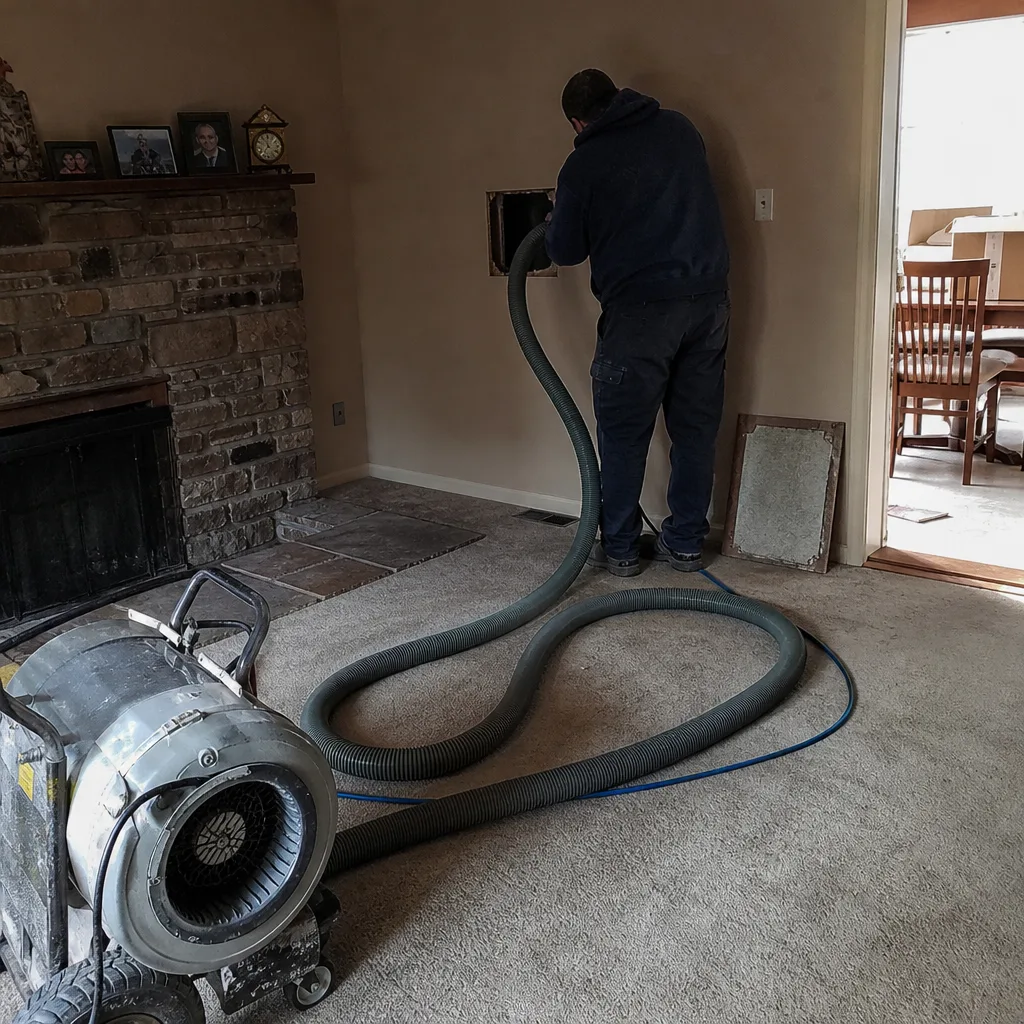 Before
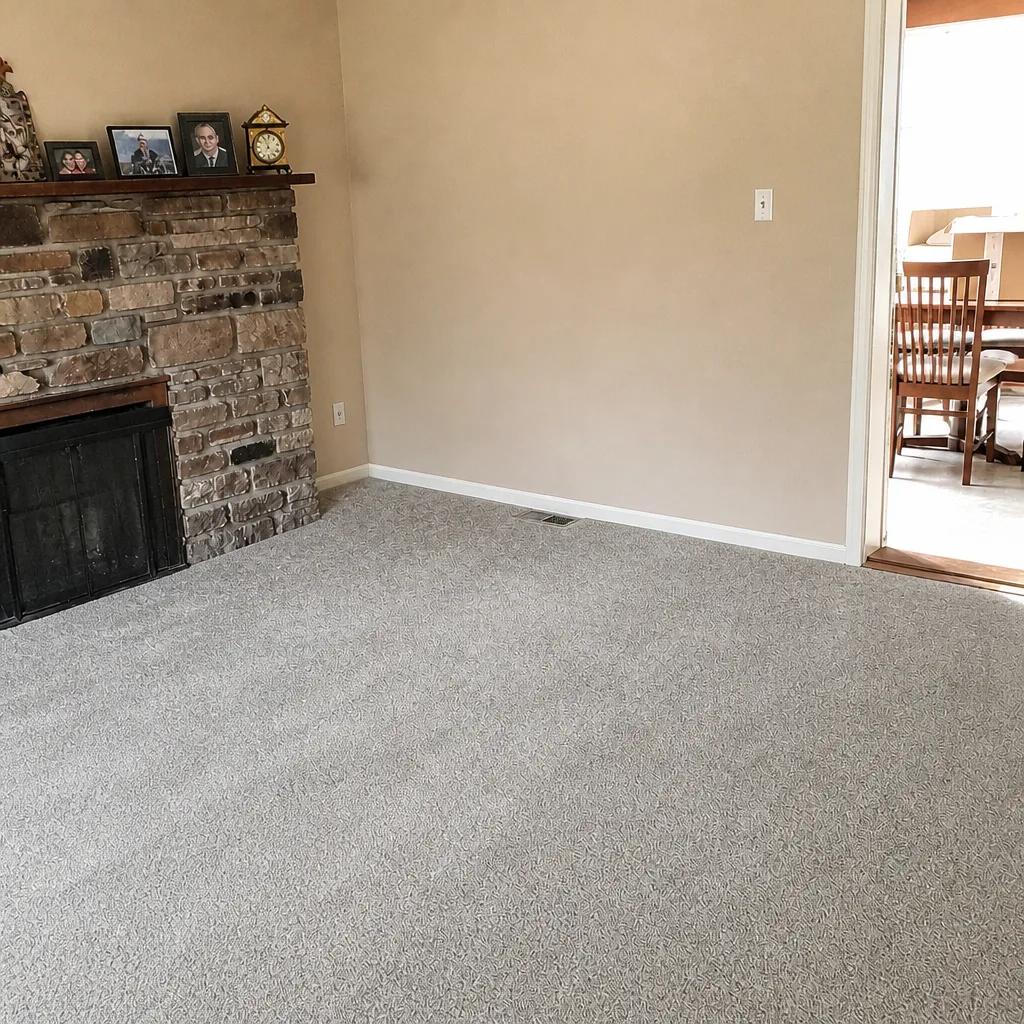 After
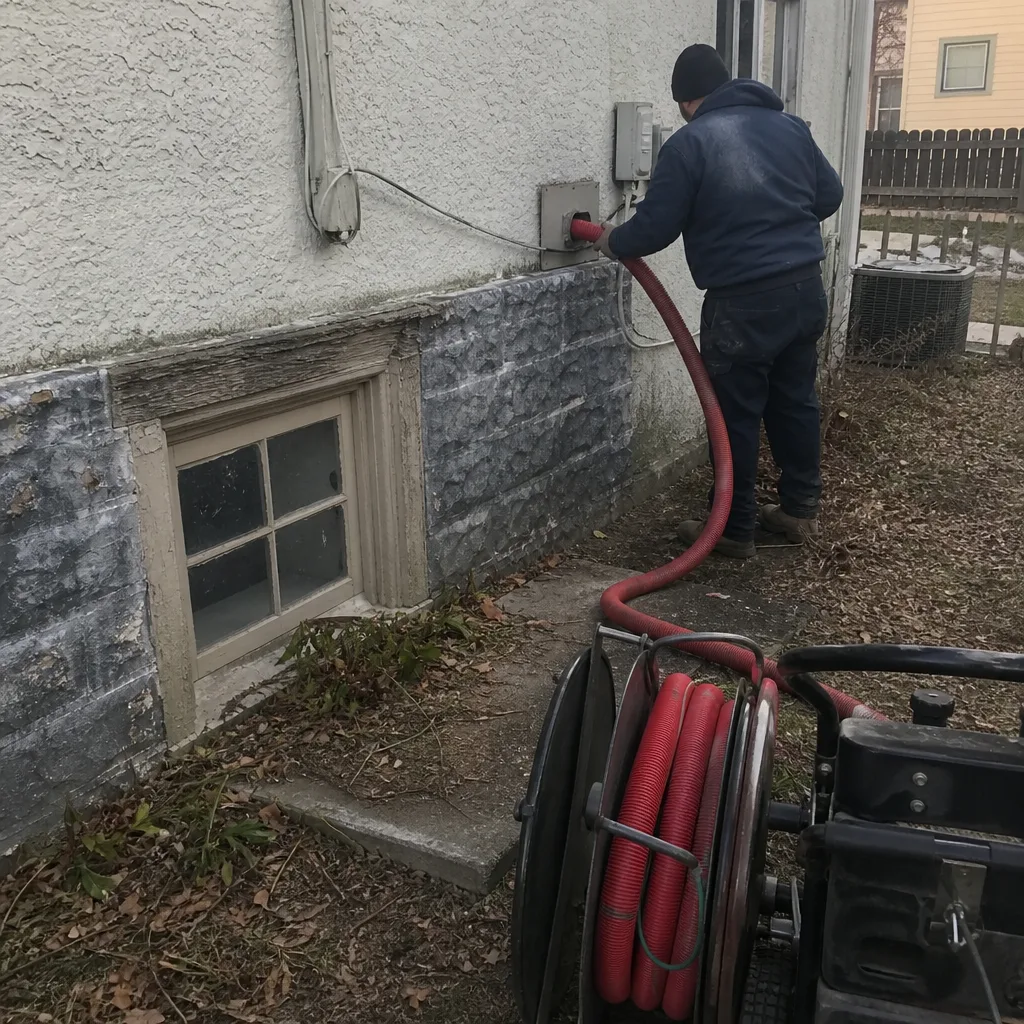 Before
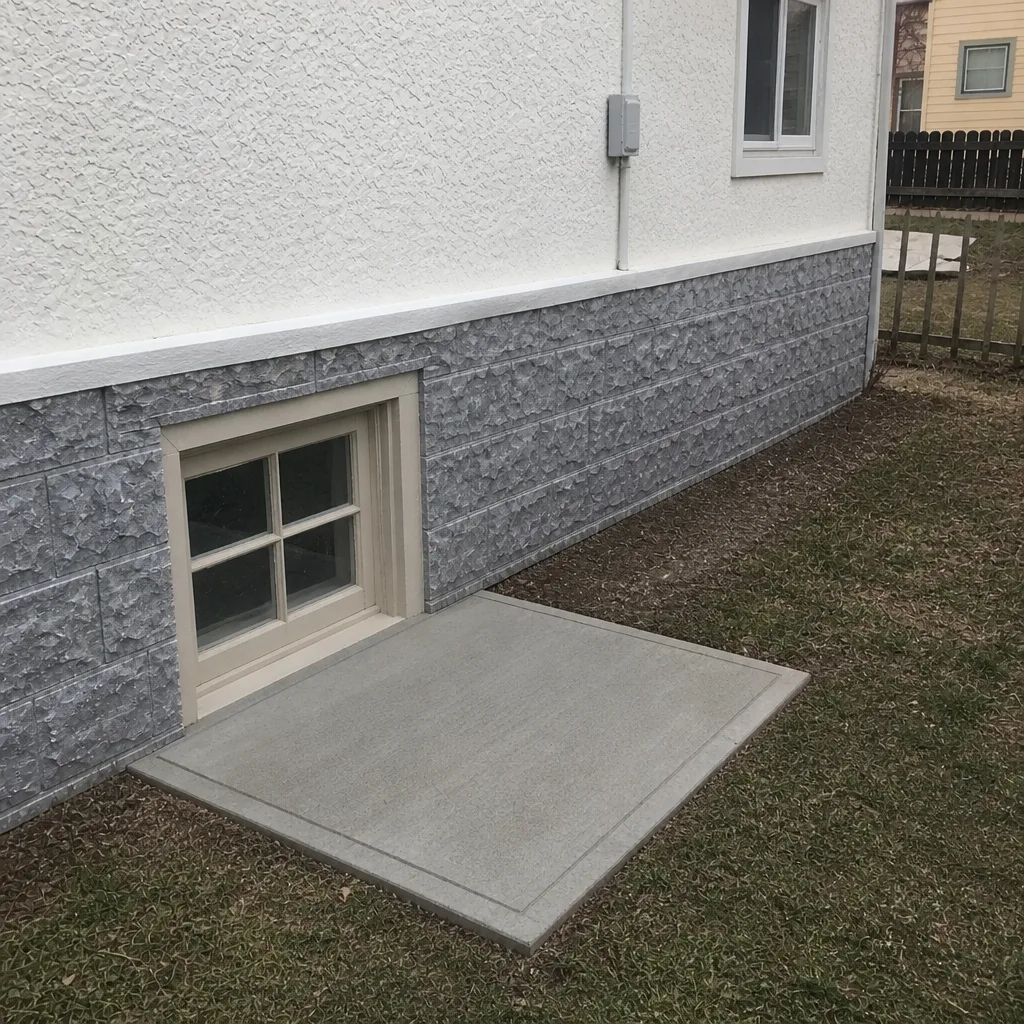 After
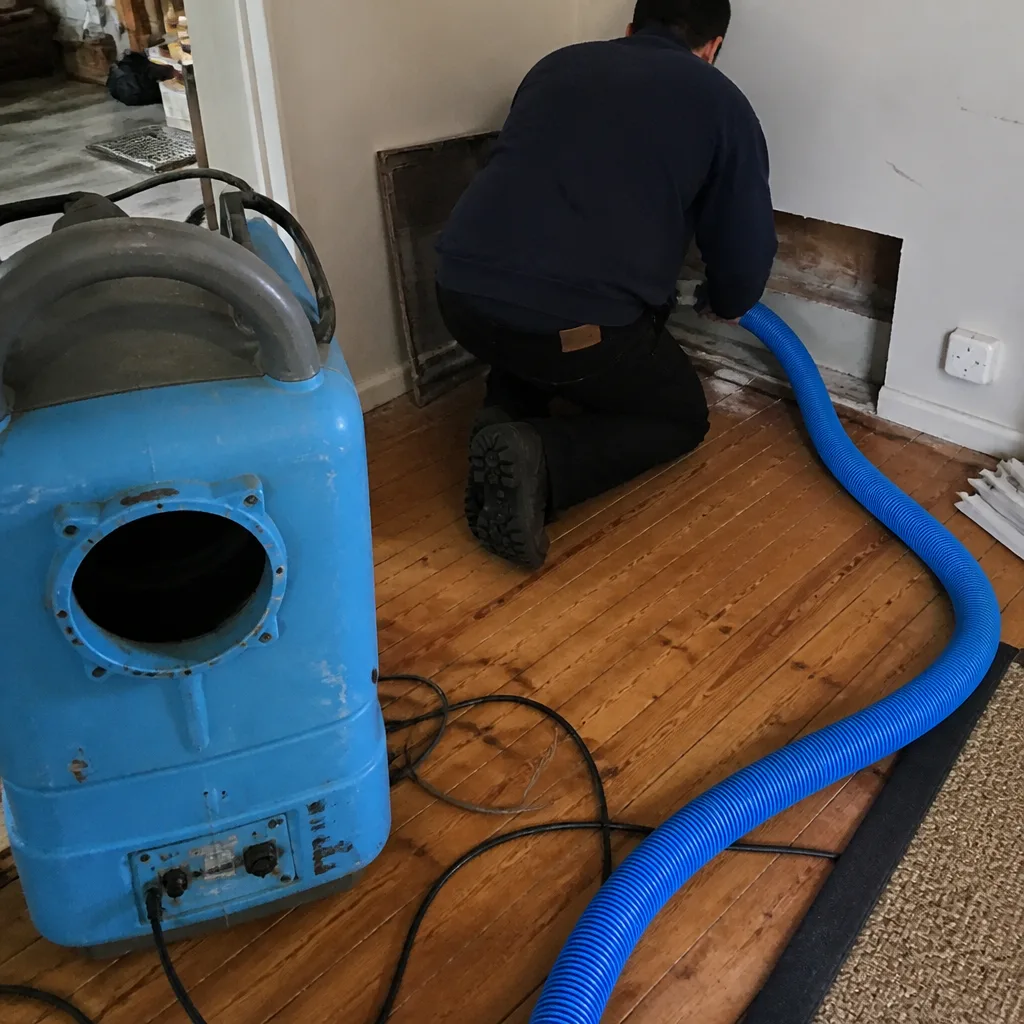 Before
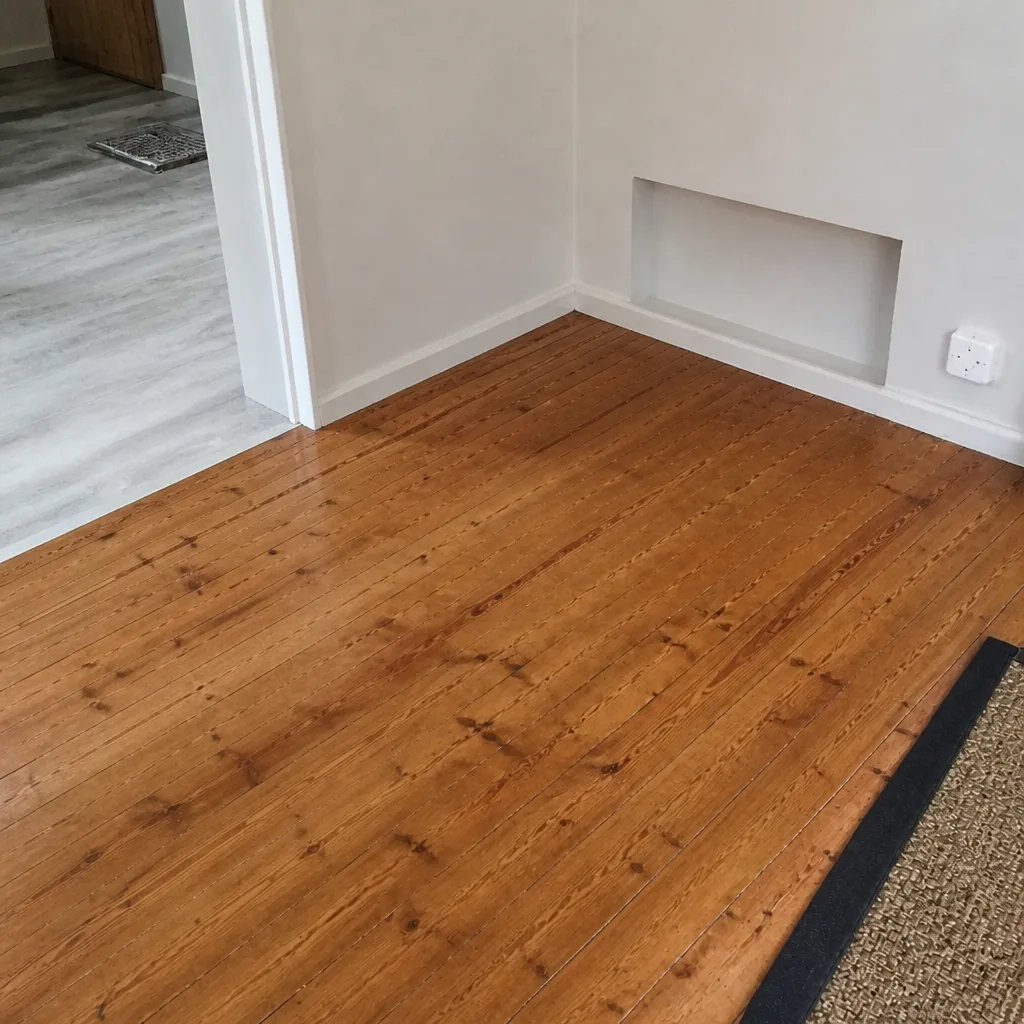 After
When to Call a Professional
Call a professional when the contamination is inside the duct runs, not on the register surfaces – which is most of the time. Specific triggers: visible dust at the registers that returns within weeks; a musty or stale smell when the system runs; post-renovation dust that has no business staying in the airstream; a new HVAC system installed on an old duct network; persistent allergy symptoms you can’t otherwise explain; and any sign of moisture or visible microbial growth inside the return. Black or green growth at a register, a sweating coil, or a damp basement return all point to a moisture problem that a brush and a shop vac will make worse.
If the system has been running for years with no known cleaning and you’re seeing sediment at the registers, that’s also a fair trigger. So is uneven airflow between rooms – not because cleaning fixes it, but because a full-system evaluation will tell you whether the issue is cleaning, sealing, or a design problem. Kensington Air Duct Cleaning offers free estimates in Kensington. Call (877) 792-6865. We answer 24/7. Fast dispatch from 7am to 7pm, Sunday through Friday.
Frequently Asked Questions
It depends on the system, not just the square footage: the number of trunk lines, the number of returns, whether the job is routine dust or heavy contamination, and whether duct sealing or repair is needed. It’s priced per job off a written estimate rather than a per-vent count, which is the honest structure. Call (877) 792-6865 for a free estimate. We’ll give you a number in writing before any work starts.
Usually because the cheap quote is for a different job. It covers register grilles and a surface pass, sometimes with a coupon price that grows on site. A real full-system cleaning takes equipment that holds the whole run under negative pressure plus a technician who knows what they’re looking at – Rotobrush or Nikro-grade tools, containment for fine dust, and before-and-after photos of your own ducts. When a number is well below the honest range, the honest question is what it leaves out. Call (877) 792-6865 for a free quote on the full job.
Ask for before-and-after photos of your own ducts, not stock photos. A contractor who confirms the work visually, in your home, on your system has nothing to hide, and the photos become a record you keep. Beyond that, ask what the estimate covers and stick to the written scope. Call (877) 792-6865 and we’ll walk you through exactly what we document.
For most homes, the honest answer is “when the evidence says it needs it,” not on a fixed calendar. Common triggers: recent renovation, a new HVAC install, persistent odor, visible sediment at the registers, or allergy symptoms that track with the system. A clean, newer home with even airflow can go longer than a homeowner with a basement return and a dusty renovation in the rear-view mirror. Call (877) 792-6865 for a free assessment rather than guessing on a stopwatch.
Yes, and you should. Replace filters on schedule, vacuum return grilles monthly, wash supply registers seasonally, keep the dryer vent’s visible lint cleared, and keep furniture clear of returns. All of that keeps the system loading up slower and surfaces problems earlier. What you can’t do is reach inside the duct runs safely – that’s where the pressure and containment the pros bring matter. Call (877) 792-6865 if you’re not sure whether your maintenance routine is keeping up.
Air duct cleaning focuses on the duct runs and registers. HVAC cleaning covers the coil and air handler – often where the real source of a complaint lives. Duct Repair & Sealing addresses leaks that re-contaminate the system after cleaning. Air Quality & Sanitizing handles filtration and purification upgrades like Honeywell and Aprilaire products. Dryer vent cleaning is a separate fire-hazard prevention service and is worth doing in its own right. Call (877) 792-6865 and we’ll tell you which one your house actually needs.
The Bottom Line
The DIY versus professional question is settled by physics, not effort. Without continuous negative pressure, loosened debris doesn’t leave your ductwork – it moves into your rooms, your coil, or your attic. That doesn’t mean DIY is useless. Registers, return grilles, filter changes, and dryer vent lint are all legitimately yours to maintain, and they extend the time between professional cleanings. But the moment the problem is inside the duct runs, and especially when there’s renovation dust, moisture, or visible growth, a professional with real equipment is the only answer that removes the contamination instead of rearranging it. The full system, not just the vents – that’s the standard to judge any quote by.
If you’d like a free estimate for air duct cleaning in Kensington, the team at Kensington Air Duct Cleaning would be glad to talk it through. Call (877) 792-6865. We answer 24/7. Fast dispatch from 7am to 7pm, Sunday through Friday. For a full look at what we do across the system, our Kensington Air Duct Cleaning homepage is the place to start.
Written by the team at Kensington Air Duct Cleaning.