
Last updated November 22, 2026
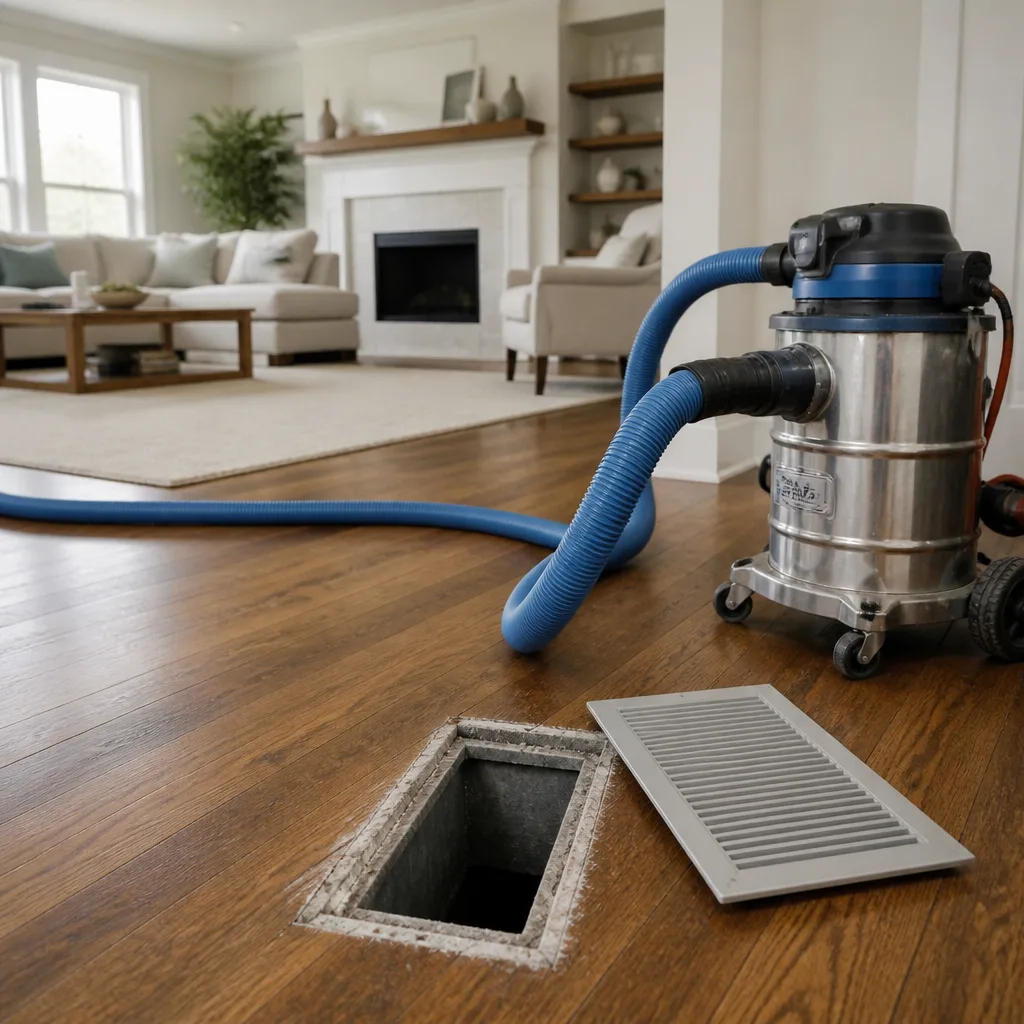 Whole-home duct cleaning
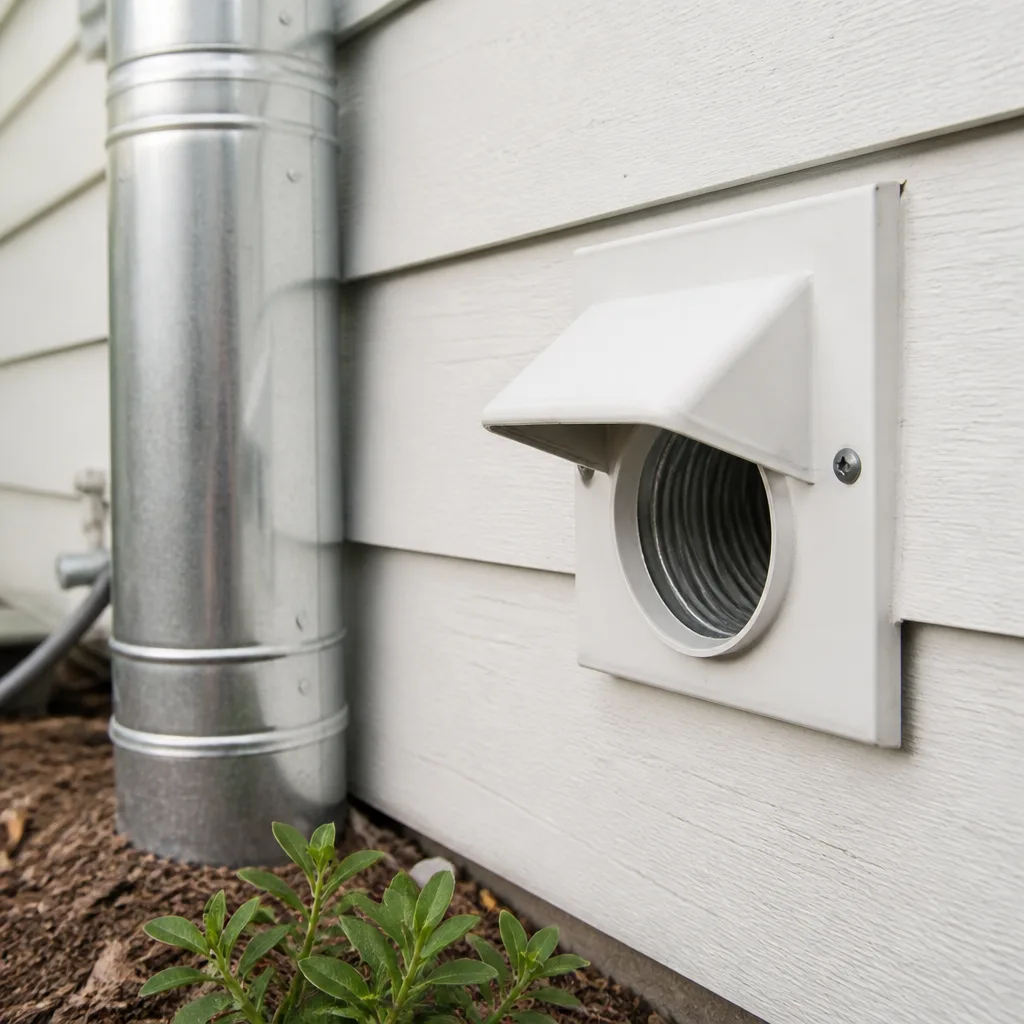 Dryer vent cleaning
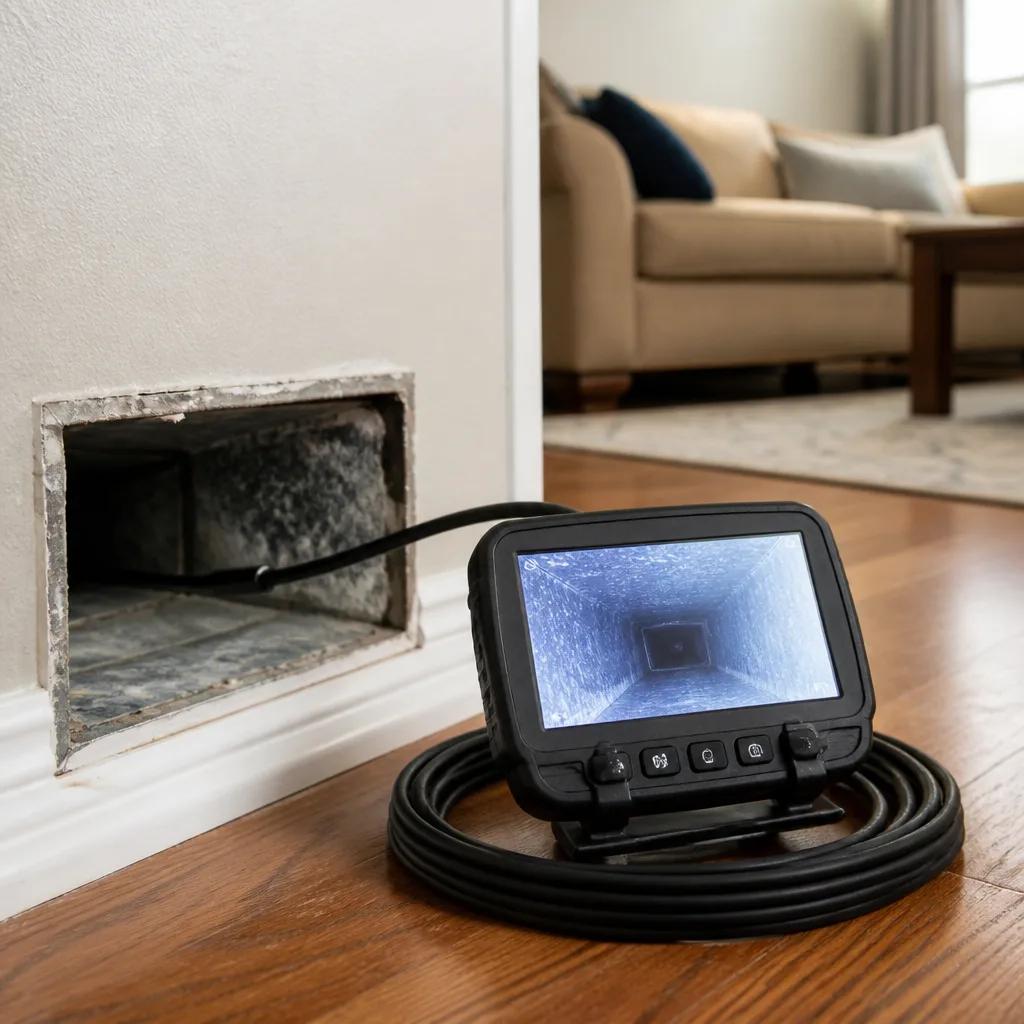 Camera inspection
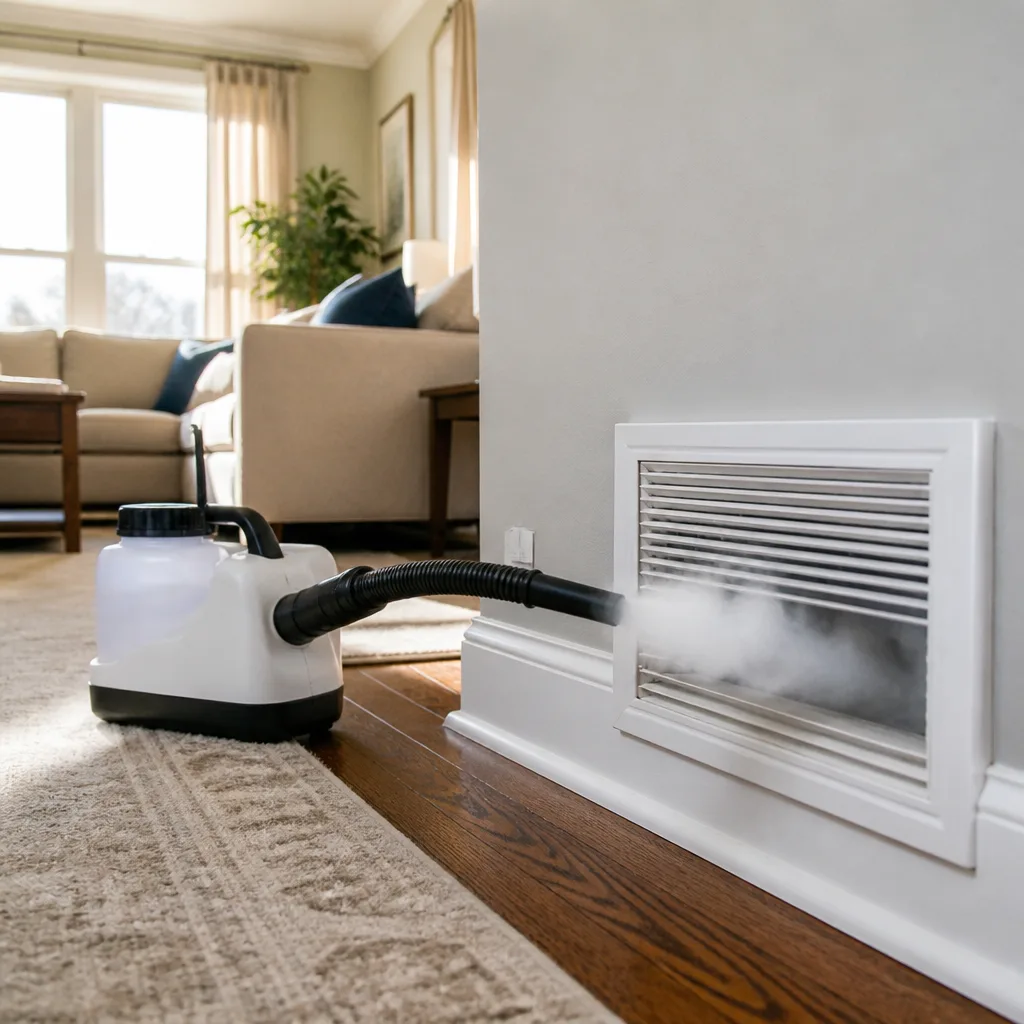 Sanitizing & deodorizing
Whole-system duct and dryer vent check with before-and-after photos - you see exactly what came out of your vents
That "$99 whole-house special" is a bait ad - the real number appears once they are in your hallway, or the "clean" is a shop-vac at the register. We photograph the inside of your ducts before and after instead.
Air Duct Cleaning Permits, Codes & Inspections in Kensington, PA: What You Need to Know
No permit is required to clean your ducts, but if your technician finds and fixes a disconnected trunk line or installs an access panel, the regulatory picture changes, and most homeowners don’t know it until they’re selling. In our experience, the confusion runs a predictable direction: people assume that anything a duct crew touches is either fully permitted or fully exempt, when in fact cleanup and mechanical work sit on opposite sides of Pennsylvania’s line. This guide walks through what cleaning covers, what counts as regulated work under the Uniform Construction Code, why Kensington’s mix of old rowhouses and newer builds creates its own wrinkles, and how a clean paper trail protects you at resale.
Quick Answer
Routine air duct cleaning in Kensington does not require a building permit because it removes debris without altering the mechanical system. But repairing or replacing ductwork, cutting new access openings, or reworking a connection to the furnace or air handler is mechanical work under Pennsylvania’s Uniform Construction Code, and your municipality may require a permit plus a licensed HVAC contractor for it. Documented findings, honest referrals, and before-and-after photos are what keep that distinction clean at inspection and at closing.
Styles & brands we work with
- Whole-home duct cleaning
- Dryer vent cleaning
- Camera inspection
- Sanitizing & deodorizing
Table of Contents
- What Counts as Duct Cleaning vs. Mechanical Work
- How Pennsylvania’s UCC Treats Duct Modifications
- Philadelphia-Area Inspection Requirements vs. Rural PA Jurisdictions
- Repairs Discovered During Cleaning That Need a Licensed HVAC Contractor
- The Paper Trail: How Undocumented Duct Work Complicates a Home Sale
- Questions to Ask About Discovered Code Violations
- Kensington-Specific Nuances: Housing Stock, Climate, and Airflow
- How an Inspection Actually Goes
What Counts as Duct Cleaning vs. Mechanical Work
The cleanest way to think about it: cleaning removes material, mechanical work changes the system. A technician pulling dust, debris, and construction grit out of an existing duct run doesn’t touch the system’s design, its connections, or its components, so nothing about that triggers a permit in a typical Pennsylvania jurisdiction. You’re restoring airflow, not adding or changing anything.
The moment a job crosses into mechanical territory is usually obvious to a trained eye and invisible to a homeowner. Here’s the dividing line we use with customers:
- Fully on the cleaning side: sweeping and extracting debris from existing duct runs, cleaning the blower and air handler cabinets, cleaning registers and grilles, and sanitizing the interior surfaces of ducts that are already in place.
- Mechanical work, permit questions apply: repairing a disconnected or crushed section of duct, replacing flexible or rigid duct runs, cutting a new access opening in the ductwork, reconnecting a trunk line to the plenum, and changing the routing of a run.
- Separate trade entirely: anything touching the gas line, the electrical supply to the air handler, or the refrigerant circuit is not duct work and belongs to a licensed specialist in that trade.
What makes this tricky in Kensington is that a cleaning job is often where hidden problems surface. Flexible duct that has collapsed behind a finished wall, a trunk line that pulled loose years ago, tape peeling off a joint in a hot attic, or duct board that was never sealed properly. When the debris is gone, the damage is visible, and the next step is a decision, not a vacuum.
Our position is simple: we clean, and we tell you what we find. If a repair requires a permit or a licensed mechanical contractor, patching it quietly and walking away isn’t helping anybody. For a closer look at what a thorough cleaning actually covers, see our air duct cleaning page. Meanwhile, the same documentation discipline applies to every service we perform, including dryer vent cleaning, where vent termination practices also fall under building code in some jurisdictions.
How Pennsylvania’s UCC Treats Duct Modifications
Pennsylvania’s Uniform Construction Code, adopted statewide and based on the International Code Council family of codes, sets the baseline for mechanical work in the state. Duct systems are covered under the mechanical provisions. The practical effect for a homeowner: repairs and alterations to ductwork are treated as regulated mechanical work, while maintenance that doesn’t change the system is not.
The UCC also gives each municipality room to administer its own enforcement, which is where the confusion really starts. Some jurisdictions run their own code office with inspectors and permit review. Others rely on a third-party agency. Some smaller townships have delegated code enforcement officials with limited hours. The result is that the exact permit threshold for a given duct repair can differ from one Kensington neighborhood to the next, even though the underlying code is the same.
What the UCC doesn’t do is issue blanket permits for cleaning. In our experience, no code official asks for a permit to vacuum a duct. What they care about is whether the system, after a change, meets mechanical code: whether the duct was installed with appropriate materials, whether clearances to combustibles are maintained, whether the joints are sealed, and whether the system as a whole still delivers the airflow the equipment was designed for.
Here’s the practical framework we walk customers through:
- Determine what the work is. Cleaning stays on the maintenance side. Any repair, replacement, or new opening is mechanical work and merits a call to your municipal code office before the job starts.
- Confirm who’s licensed. In Pennsylvania, a licensed HVAC contractor carries the responsibility for the repair and its compliance. A cleaning company should not be performing mechanical work that requires licensing, and a good one will say so directly.
- Ask about permits for your specific municipality. The threshold for what gets a permit varies. A thirty-second call to your local code office settles the question better than any internet forum.
- Keep documentation. Permits, inspection reports, permits closed out, contractor invoices, before-and-after photos. That’s the file a future buyer will want to see.
The key point most homeowners miss is that cleaning and compliance sit on different tracks. Our job is to clean and to document findings in writing, not to quietly oversee a construction repair that should have gone through code review. That’s not restrictive; it’s the difference between a house with a paper trail and a house with a surprise.
Philadelphia-Area Inspection Requirements vs. Rural PA Jurisdictions
Kensington sits in a corner of Pennsylvania where the regulatory texture is denser than it is out in the more rural counties. In the Philadelphia area, municipalities tend to have established code departments, formal permit routing, and inspectors who know mechanical systems. Out in the rural parts of the state, a township might have one part-time code officer or contract with a third-party agency. Both are fine. They just behave differently, and you should know which one you’re dealing with.
Here’s how the two environments typically differ, based on what we see in the field and what our customers report to us:
- Urban and inner-ring suburbs: Permits generally require a formal submission with the scope of work, a plan or description of the change, and a licensed contractor. Inspection may occur at rough-in and final. The paperwork is more structured but the process is clear and predictable.
- Outlying townships and rural counties: Permit requirements may be lighter for residential duct work, sometimes administered by a third-party agency, and inspection may be a single visit. That can be faster, but it also means more of the compliance responsibility lands on the contractor and the homeowner.
- Redevelopment and historic districts: Parts of Kensington, particularly where older housing stock is being renovated, add zoning and historic considerations that can affect what’s allowed at a duct opening or a mechanical chase. That’s a separate layer from the mechanical permit.
One practical note for Kensington: duct runs in this area’s older rowhouses and converted buildings often travel through spaces that were never designed for modern HVAC. Chases cut into old structure, joist cavities reused as return air, and transitions between original and added systems are common. In our experience, that means two things. First, the cleaning itself is more complicated than in a modern build, and requires professional-grade equipment to reach the real debris. We use Rotobrush and Nikro systems for exactly that reason: they’re the same equipment certified HVAC contractors work with. Second, when a hidden problem turns up, the repair is far more likely to cross into mechanical work that a code office wants to know about.
A homeowner who assumes “it’s just ducts, it’s all the same everywhere” is usually the one who gets the surprise. The neighbors down the street may live in a different code jurisdiction, even inside Kensington, and the rules that applied to their repair may not apply to yours.
Repairs Discovered During Cleaning That Need a Licensed HVAC Contractor
Some findings during a cleaning are textbook mechanical repairs. If we discover any of the following, it belongs with a licensed HVAC contractor and, depending on the municipality, a permit:
- Disconnected or collapsed trunk lines. A duct run that has pulled away from the plenum or crushed behind a finished wall isn’t a cleaning issue. It’s a system alteration, and connecting it back properly is mechanical work.
- Replacement of flexible or rigid duct runs. New duct material has to meet code for the application, including the correct flame spread and smoke developed ratings for the space.
- New access panels or openings. Cutting into ductwork isn’t a maintenance task. It changes the mechanical system’s physical shape and, technically, its sealing and pressure balance.
- Reconnection of a branch to a main trunk or plenum. The junction is part of the mechanical system and needs to be done with the correct sealing and support.
- Duct board installation or repair. Duct board carries its own code requirements for closure and joints, and a licensed mechanical contractor should handle it.
- Insulation failures with clearance issues. Where duct insulation has broken down and clearances to combustibles are no longer maintained, that’s a safety concern for a licensed contractor to address, not something to seal and move on.
The reason this list matters at the moment of discovery is that a cleaning visit is often the first time anyone has laid eyes on that ductwork in years. A homeowner hears “your trunk line is disconnected” and understandably wants it fixed. That’s a completely reasonable instinct. It’s also exactly the moment you want a written finding, a referral to a licensed mechanical contractor, and a documented scope of repair rather than an on-the-spot patch.
We do repair and seal ductwork, and that’s a real part of our service capability; our Duct Repair & Sealing work is how we stop the leak and re-contamination cycle that cleaning alone won’t fix. But we also draw the line where the law does. If the repair requires a licensed contractor and a permit, our job is to tell you, get it on paper, and point you to a proper resource.
Where the repair is quieter, like minor sealing at accessible joints, we can handle it within the scope of what our insurance and licensing allow, and we document everything either way. The same discipline applies to HVAC cleaning, where we’re working inside the mechanical equipment itself and any component issue is likewise documented and referred.
The Paper Trail: How Undocumented Duct Work Complicates a Home Sale
Here’s the number-one reason we tell people to care about this: duct work that was changed without documentation can slow down or complicate a home sale, and the problem is almost always invisible until it isn’t. A buyer’s home inspector is looking for a lot of things, and modified mechanical systems are on the list. Unpermitted duct work that turns up during inspection has a way of becoming a negotiation point, sometimes at a bad moment in the transaction.
What a clean paper trail looks like in practice:
- Before-and-after photos for every cleaning visit. Ours include photos of your own ducts, not stock images, so the file documents exactly what was found and what was done.
- A written scope of work for any repair, listing what was changed, when, and by whom.
- Permit and inspection records for any mechanical work that required them, retained with your home file.
- Contractor license and insurance confirmation on file for every contractor whose work touched the house.
- Notes on findings that were documented but not repaired, so the next owner knows the duct system was assessed.
Two practical steps we recommend for Kensington homeowners:
- Keep a home systems binder. A simple folder of every invoice, photo, and permit related to the HVAC and duct systems. It takes five minutes to set up and saves hours later.
- Reconcile permits before you list. If duct or HVAC work happened without a permit and it required one, talking to your code office and the contractor before the sale is usually far easier than negotiating it with a buyer.
The flip side is also true: a well-documented system is a selling point. A buyer who sees a clean before-and-after record of a duct cleaning, with a scope of any repairs and the contractor expertise behind it, reads that as a well-maintained house. That’s a small but real advantage in a competitive Kensington market.
Questions to Ask About Discovered Code Violations
The test of a professional company isn’t whether it finds a problem; it’s what it does next. Any duct system over a certain age has something worth noting, and a company that never finds anything is either not looking or not telling. When you’re choosing a contractor, ask these questions directly. The answers tell you a lot.
- “If you find unpermitted or non-compliant duct work, what do you do?” The right answer is document and refer. The wrong answer is “we’ll take care of it” on the spot without a licensed mechanical contractor in the loop or a permit discussion.
- “Do you provide written findings with photos?” A professional company does. If the assessment lives only in someone’s memory, it can’t be your record later.
- “Do you confirm the scope of the repair against what my municipality requires?” Even a simple repair may require official sign-off in some Kensington jurisdictions. A good contractor knows to ask.
- “Who does the mechanical repair, and are they licensed to do it?” The cleaning company is separate from the mechanical contractor. Make sure the answer is clear.
- “How do you maintain clearances to combustibles during a repair?” A safety question that tells you whether the technician understands mechanical code or just tape and foil.
- “Can I get before-and-after photos of the entire system?” Ask for photos of your own ducts, not a marketing folder.
We’re comfortable with these questions because we work with them, not against them. When our technicians find something, they document it, hand over before-and-after photos, and give a written scope for the next step. That’s the standard our team holds, and it’s why we operate Rotobrush and Nikro equipment, not a shop vac. The findings from a good clean are the raw material for a good decision.
Kensington-Specific Nuances: Housing Stock, Climate, and Airflow
Kensington’s housing stock shapes what a duct cleaning or repair job actually involves. Older rowhouses and converted buildings often have duct runs that were added later, sometimes between floors, through closets, or through spaces not originally designed for HVAC. Some of those runs use materials and configurations that would not pass a modern mechanical inspection but have been operating quietly for decades. Others are fine, and the job is simply cleaning and sealing.
The local climate matters too. Our swing seasons mean the HVAC system works in both heating and cooling modes, and the ducts carry dust, pollen, and construction debris through the same pathways year-round. Homes with recent additions or renovations often have construction dust lodged in the system that a proper cleaning with professional equipment can lift. In our experience, the combination of old structure and new airflow is where hidden repairs turn up most often, and it’s exactly the case where the distinction between cleaning and mechanical work matters. For a broader view of what a full-system approach involves, our Kensington Air Duct Cleaning main page covers the five services we run and how they fit together.
Two local patterns worth knowing about:
- Added or modified runs. In homes where a previous owner added a system or extended one to a new space, of which there are plenty in Kensington, the duct work may have been done without documentation. A cleaning visit often surfaces the gaps and is a good moment to bring the record up to date.
- Renovation dust. Kensington sees a lot of renovation, and drywall and saw dust settles into the return side of the system faster than most homeowners expect. Cleaning removes it, but if a run was cut during the renovation and the cut wasn’t documented, the paper trail has a gap that needs to be addressed.
This is where our equipment matters beyond cleaning power. Rotobrush and Nikro systems are built for the realities of a real home: sealed enclosures, HEPA-filtered extraction, and the reach to get into runs a consumer tool can’t. Abatement Technologies equipment lets us handle higher-contamination situations, such as mold spores or fine particulates, with proper containment, so the cleaning itself doesn’t throw debris back into the home. Our promise is that the system we inspected is the system we hand back to you, documented.
We also do work beyond the ducts. Dryer vent cleaning is part of our scope, and a clogged dryer vent is a fire hazard regardless of whether the code enforcement in your part of Kensington has an opinion on it. If we find an improper vent termination, we document it and recommend the licensed fix, since a vent termination is a code and safety matter, not a cleaning one.
How an Inspection Actually Goes
When a code official inspects mechanical work on a duct system, they’re not inspecting the clean. They’re inspecting the change. Here’s the sequence we’d walk you through for a repair that requires a permit:
- Pre-inspection scope. The licensed HVAC contractor submits the scope of work to the municipality and, where required, receives the permit before starting.
- Rough-in inspection. Once the new duct or repair is in place but before it’s closed up behind finishes, the inspector confirms materials, clearances, supports, and connections.
- Final inspection. With the system back together and operating, the inspector confirms the work is complete and matches the scope.
- Closeout. The permit is closed out, and the documentation stays with the home file for future reference.
For a cleaning job in Kensington, the process is much simpler. There’s no permit, no inspection, and no regulatory event, because nothing about the system changed. What you should get instead is a thorough cleaning, a written summary of findings, and before-and-after photos you can keep. That record is not legally required, and in our view it’s the single most valuable piece of documentation you’ll have if a future repair ever needs one. It’s what makes the whole cycle legible: clean, inspected, documented; repair when needed, permitted and signed off.
Common Mistakes to Avoid
- Assuming duct cleaning is regulated when it isn’t. Cleaning doesn’t require a permit, so a company offering to “pull the permit for your cleaning” is either confused or padding the invoice.
- Assuming duct repairs are unregulated when they are. This is the expensive one. A repair that should have gone through code review can follow you to resale, and the fix is easier when the work was done properly the first time.
- Letting a cleaning crew perform unpermitted mechanical repairs. Patching a disconnected trunk line or cutting a new access panel without a licensed contractor can make the work harder to permit later, because the record starts with an unpermitted change.
- Skipping photos of your own ducts before and after. Without them, you have no way to prove what was found or what was done, and neither does the next person who needs to know.
- Ignoring documentation during a home sale. Buyers, inspectors, and lenders ask for it, and what’s not on file tends to show up on a list of things to negotiate.
- Assuming a rural or outlying Kennington code office applies the same rules as the city. Thresholds and enforcement vary, so confirm with your municipality rather than your neighbor.
See the difference
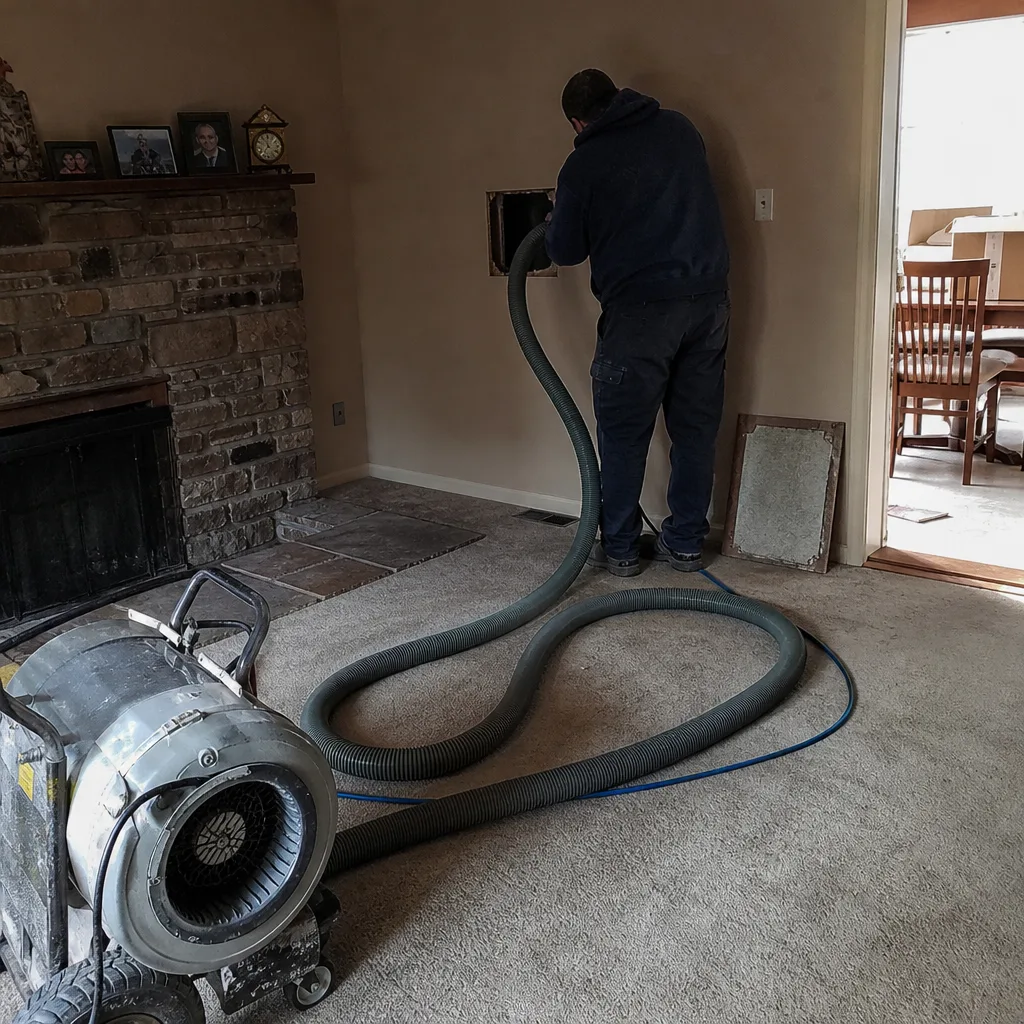 Before
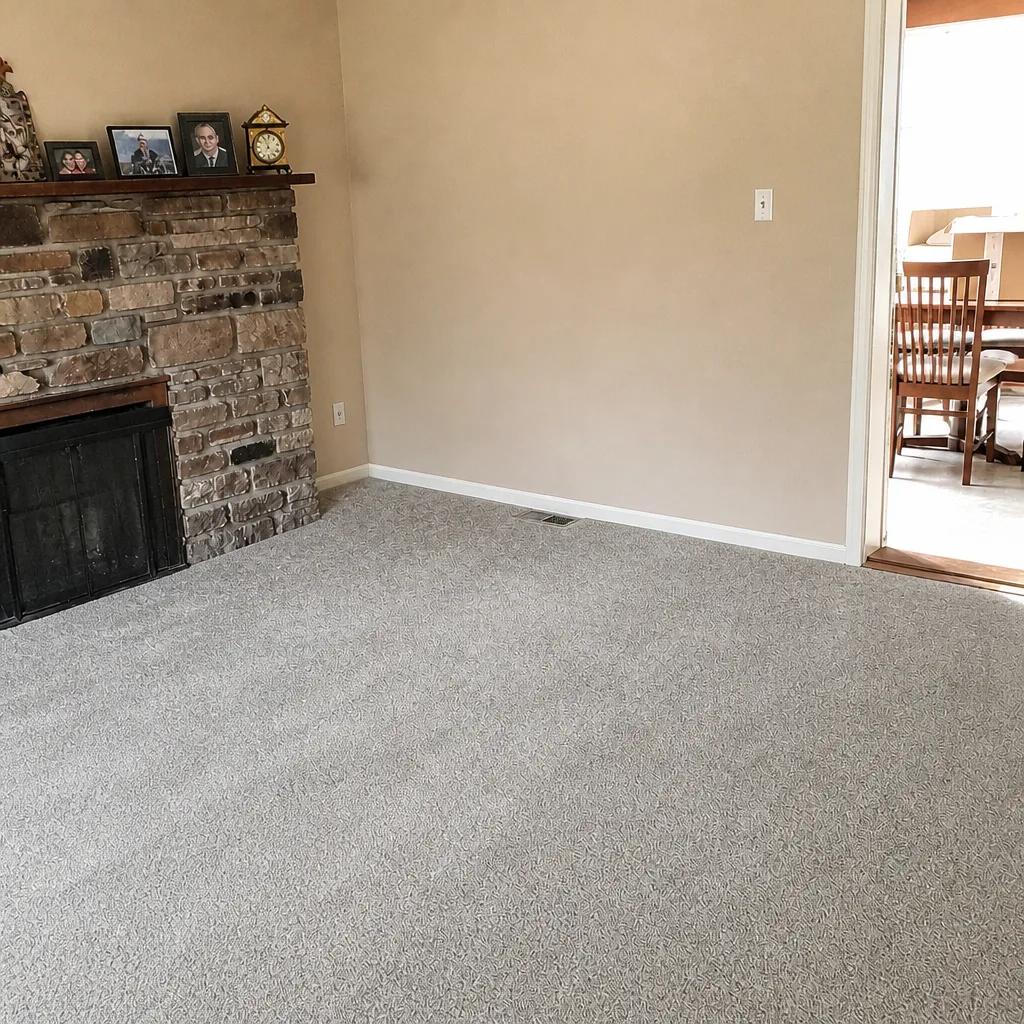 After
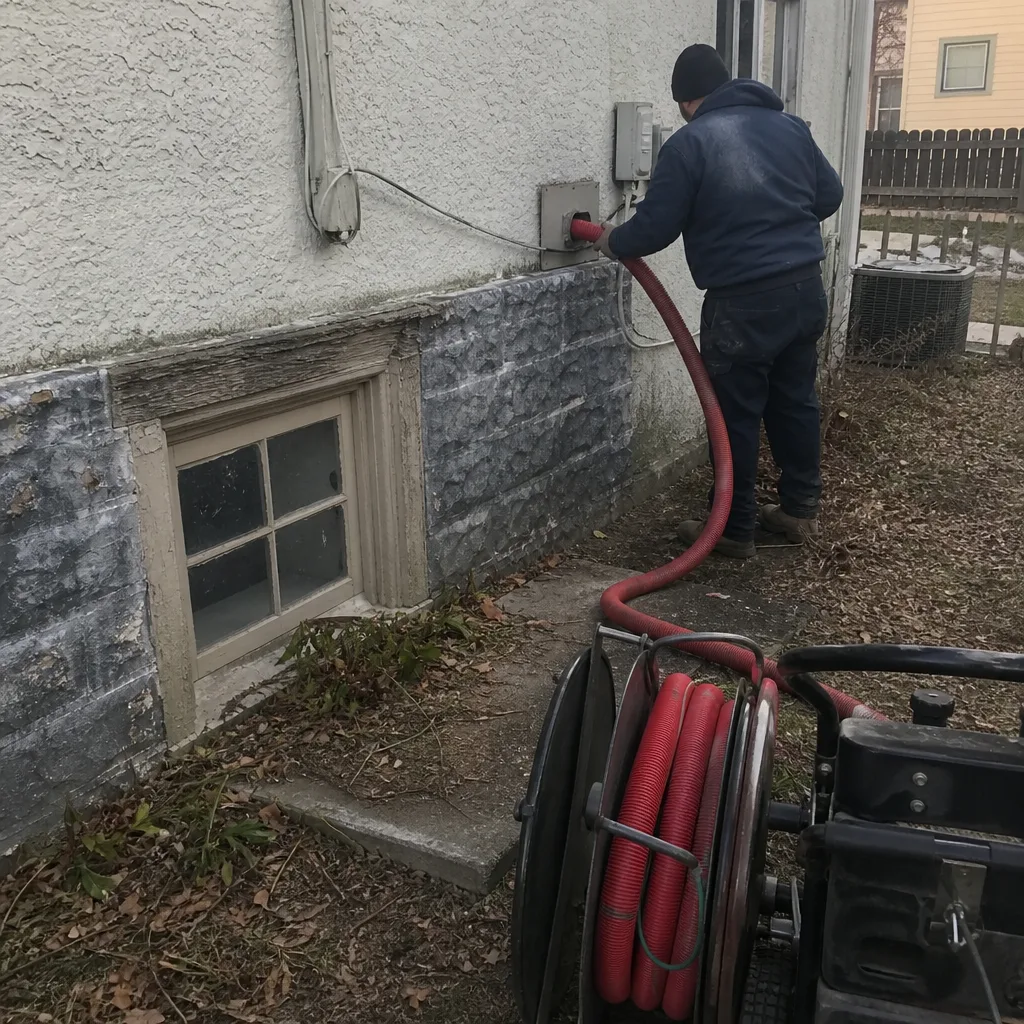 Before
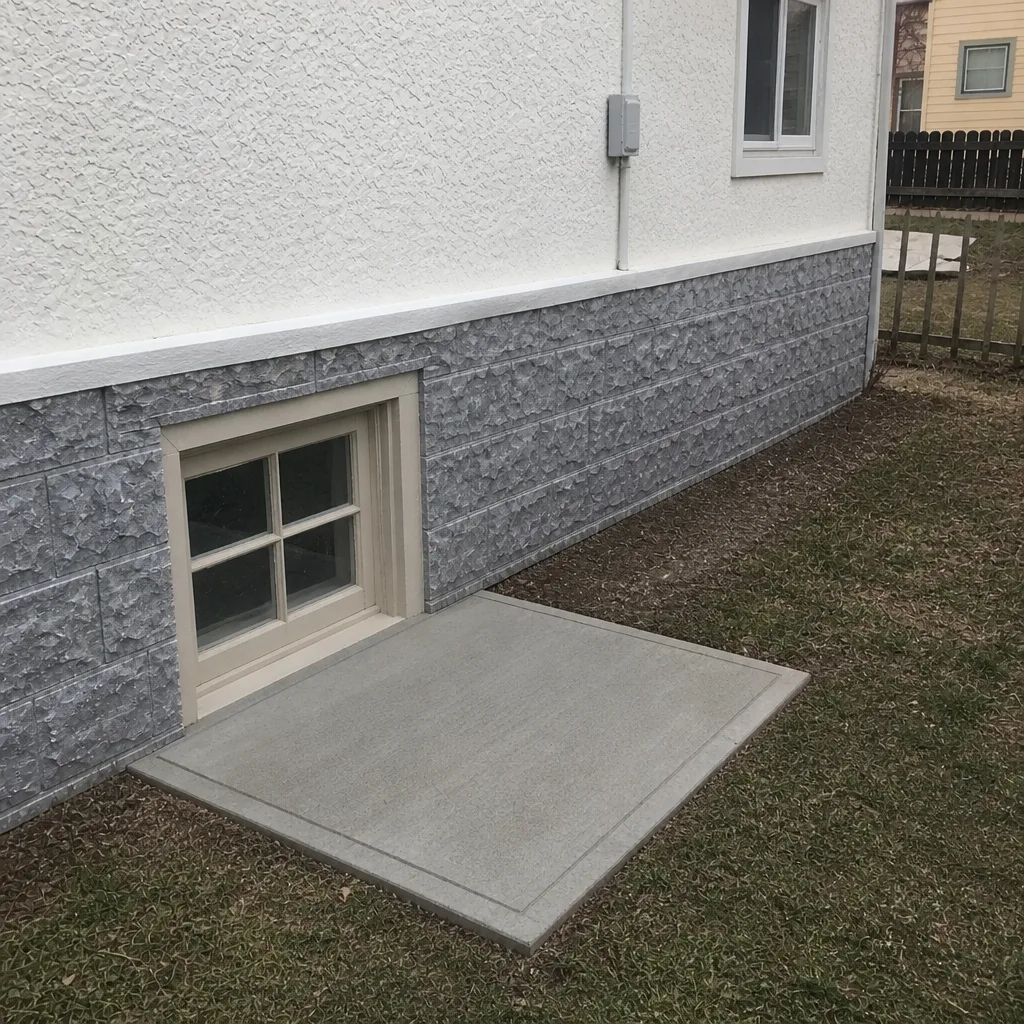 After
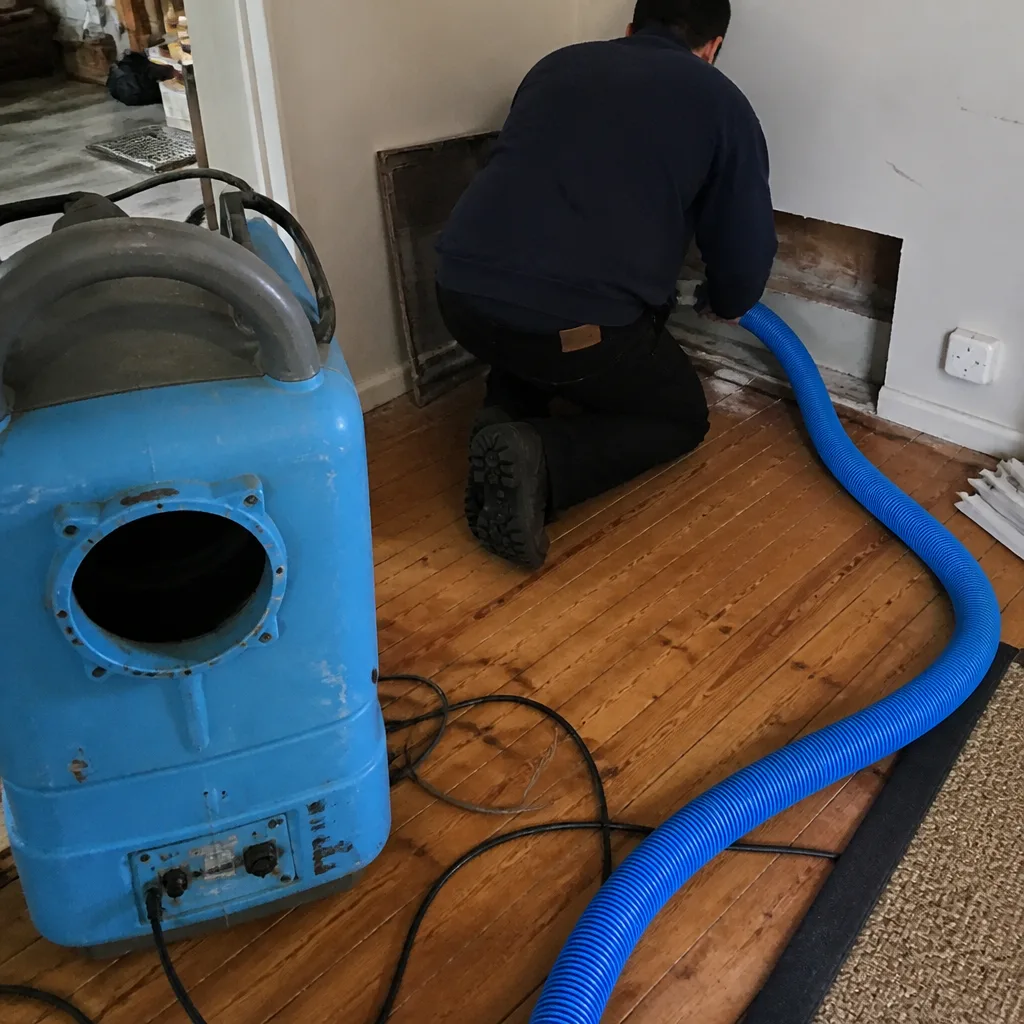 Before
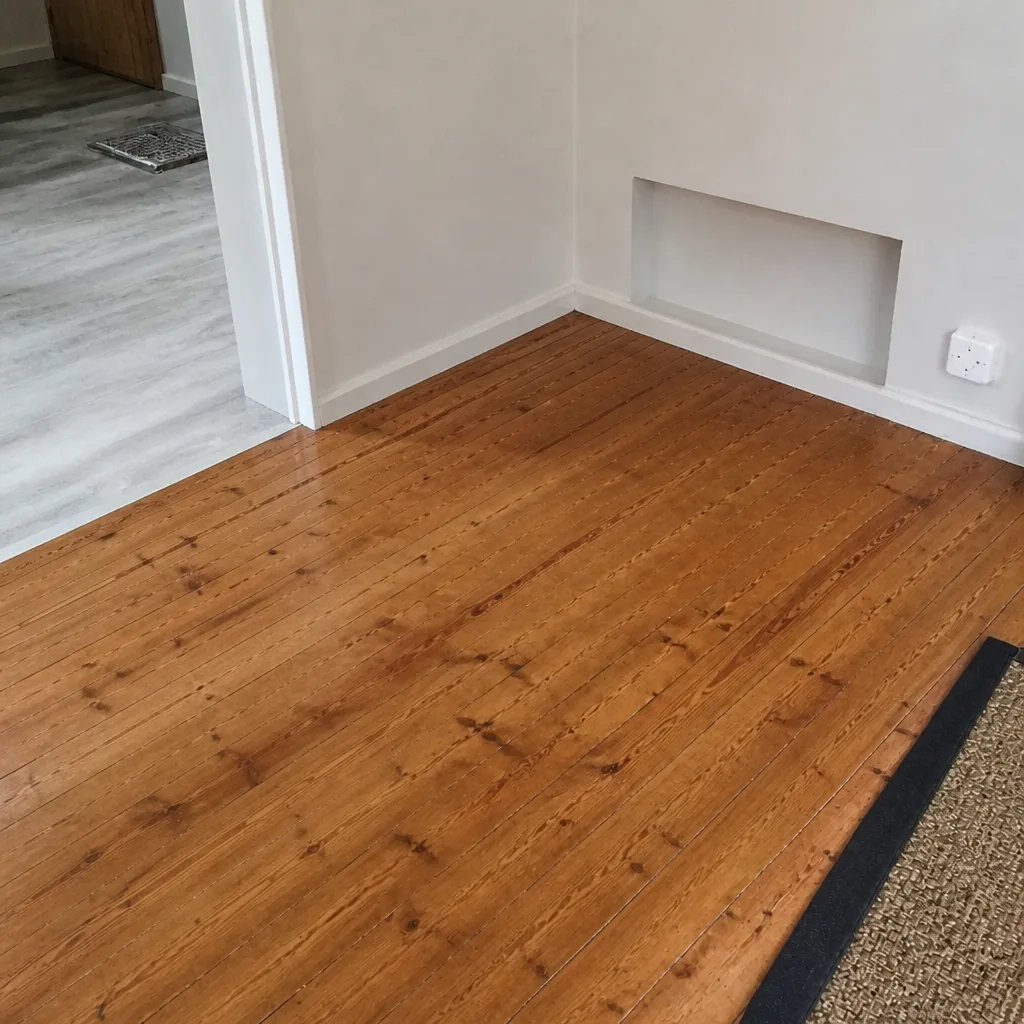 After
When to Call a Professional
Call when a duct repair surfaces and you need it documented and referred properly. Call when you’re preparing to sell or buy in Kensington and want to know the state of the duct system and its paper trail. Call when a renovation has left a lot of dust in the system and you want a professional assessment with real equipment behind it. Call when you suspect a disconnected run is hurting airflow, or when the system hasn’t been opened up in years and nobody knows what’s inside. And call when a previous repair was done without a permit and you need to know where that leaves you before the sale. Kensington Air Duct Cleaning offers free estimates in Kensington. Call (877) 792-6865. We answer 24/7. Fast dispatch from 7am to 7pm, Sunday through Friday.
Frequently Asked Questions
No. Air duct cleaning is maintenance and doesn’t require a permit in Kensington or the surrounding Pennsylvania jurisdictions, because it removes debris without altering the mechanical system. If the work turns into a repair, replacement, or a new access opening, the permit question changes, and that’s when you or your licensed HVAC contractor should check with your municipal code office. Call (877) 792-6865 for a free estimate.
It usually is treated as mechanical work under Pennsylvania’s Uniform Construction Code, and many municipalities require a permit. Reconnecting a trunk line to a plenum or repairing a crushed section changes the system, so a licensed HVAC contractor should handle it and the code office should sign off where your municipality requires it. A cleaning company documents the finding and refers; it doesn’t quietly patch it. Call (877) 792-6865 for an assessment.
You check with your municipality’s code office, and you look at your home file. A permit pulls a record; a permitted job will show up. If there’s no record and the work looks modified, that’s a conversation to have before a sale, not after. A professional cleaning with documented findings and before-and-after photos gives you a clear record of what’s actually there today. Call (877) 792-6865 to book an assessment.
It can complicate the sale, and it usually shows up during the buyer’s inspection. An unpermitted mechanical change becomes a negotiation point, sometimes late in the transaction. A documented cleaning visit with a written scope of any repairs gives you a clean record to bring to the table, and talking to the code office before you list is easier than resolving it under pressure. Call (877) 792-6865 for an estimate.
Ask for a written finding with photos, a clear statement of what’s wrong, and a referral to a licensed HVAC contractor if the fix is mechanical. A professional company documents and refers; it doesn’t patch and walk away. Ask also whether the repair needs a permit in your municipality, and keep the answer in your home file. Call (877) 792-6865 for a free estimate with documented findings.
Yes, within the limits of what our licensing and insurance cover. Sealing an accessible joint as part of a documented cleaning is something we handle, and our Duct Repair & Sealing service exists because sealing stops the re-contamination cycle cleaning alone can’t fix. Anything that crosses into mechanical work requiring a licensed contractor and permit is documented and referred. Call (877) 792-6865 for an estimate.
The Bottom Line
Cleaning your ducts doesn’t require a permit in Kensington. Repairing and modifying them often does. The gap between those two statements is where homeowners lose money, mostly at resale, because the paperwork is missing. The fix is straightforward: get a cleaning that documents what’s found with photos, refer mechanical repairs to a licensed HVAC contractor, keep a home file of permits and invoices, and reconcile the record before you list. Our technicians have up to 12 years of experience, and we use professional-grade equipment to get a clean, documented read on your system. Kensington Air Duct Cleaning offers free estimates in Kensington. Call (877) 792-6865. We answer 24/7. Fast dispatch from 7am to 7pm, Sunday through Friday.
Written by the team at Kensington Air Duct Cleaning.