
Last updated November 22, 2026
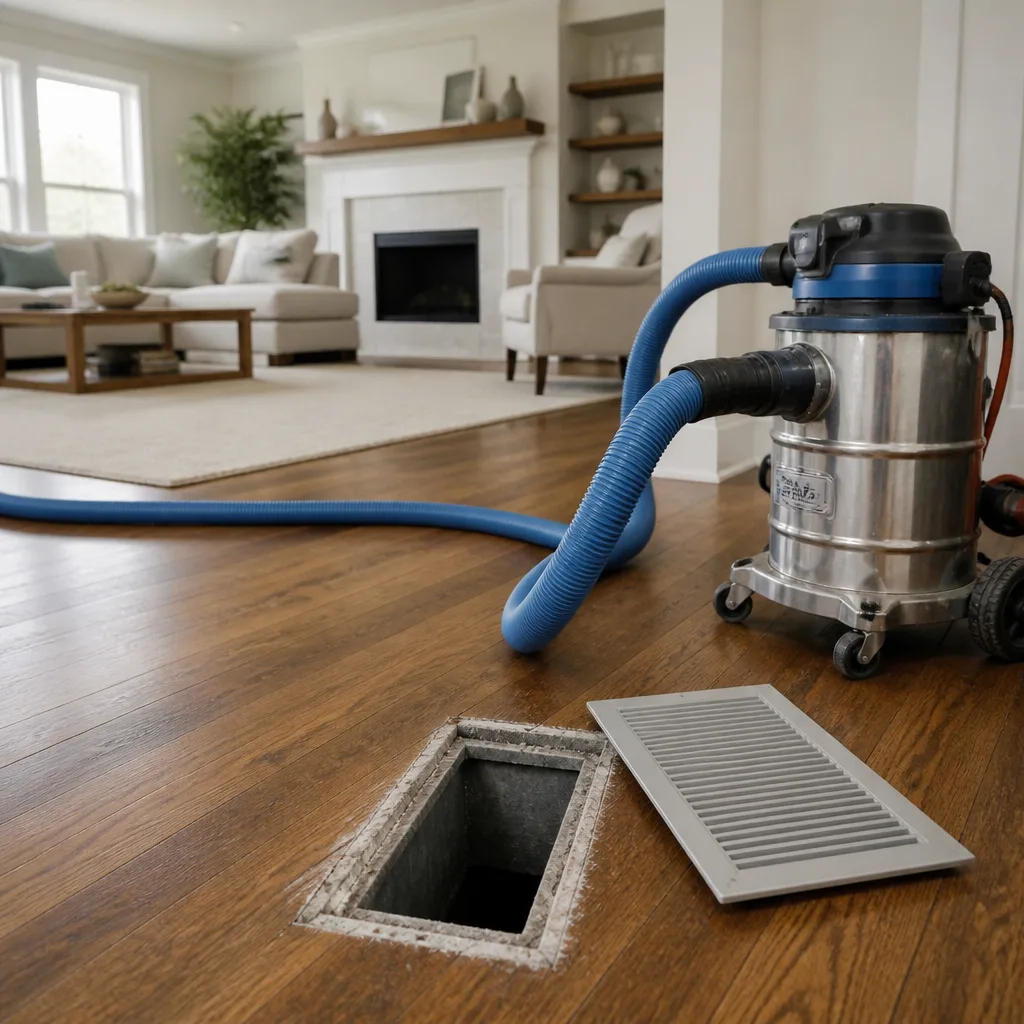 Whole-home duct cleaning
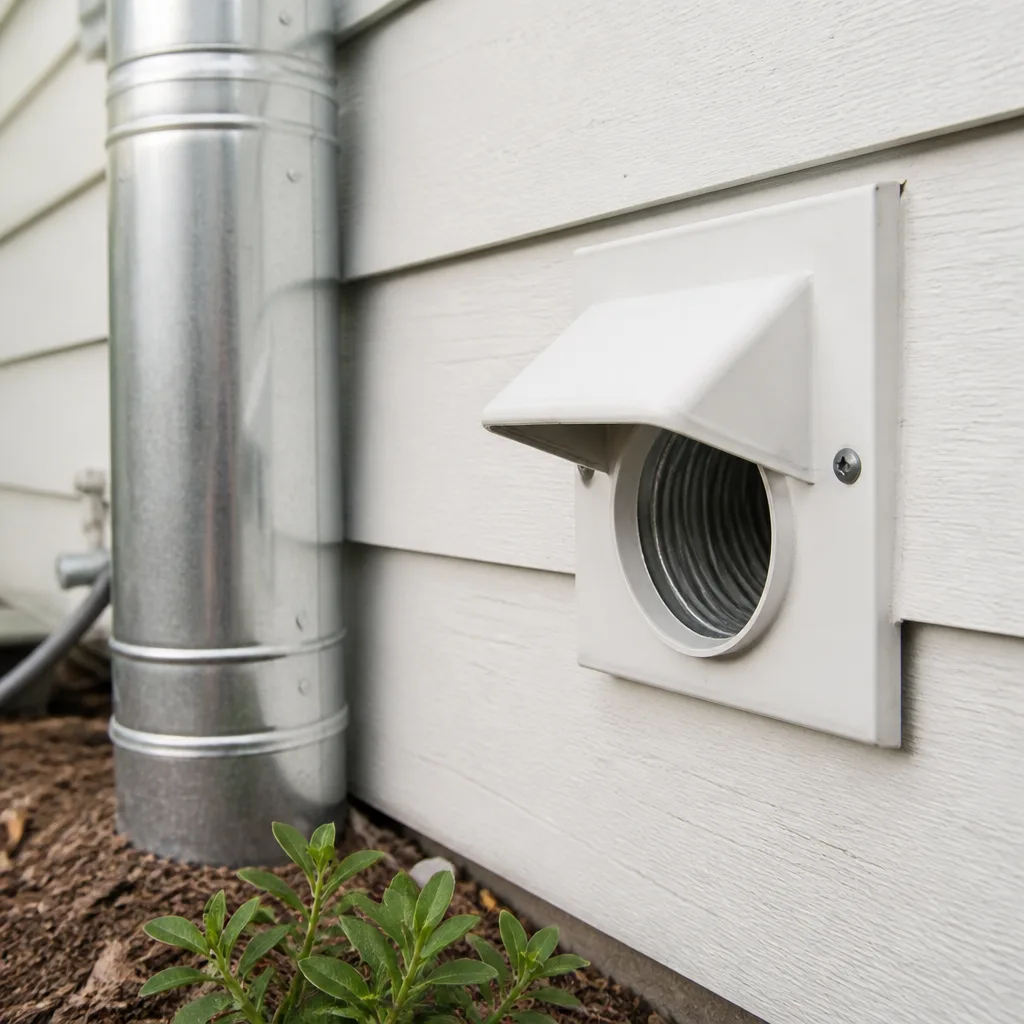 Dryer vent cleaning
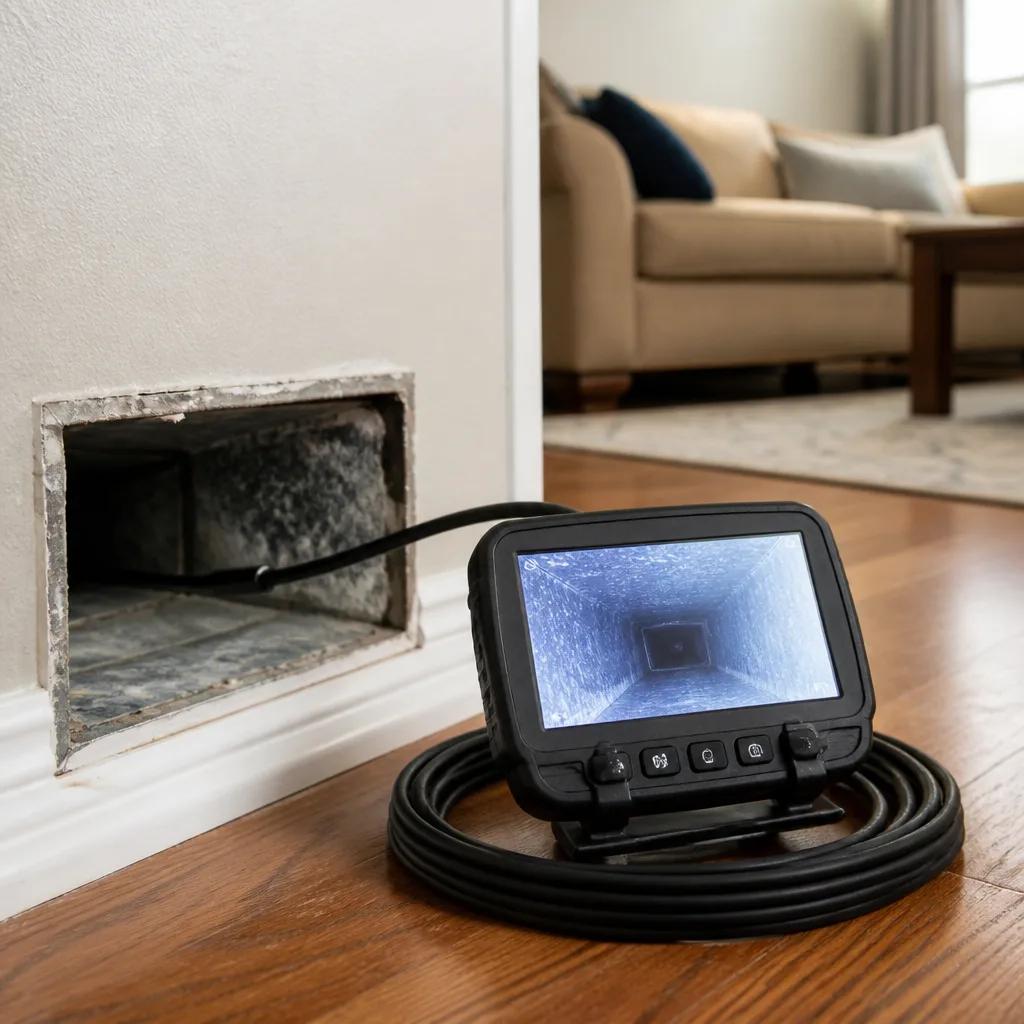 Camera inspection
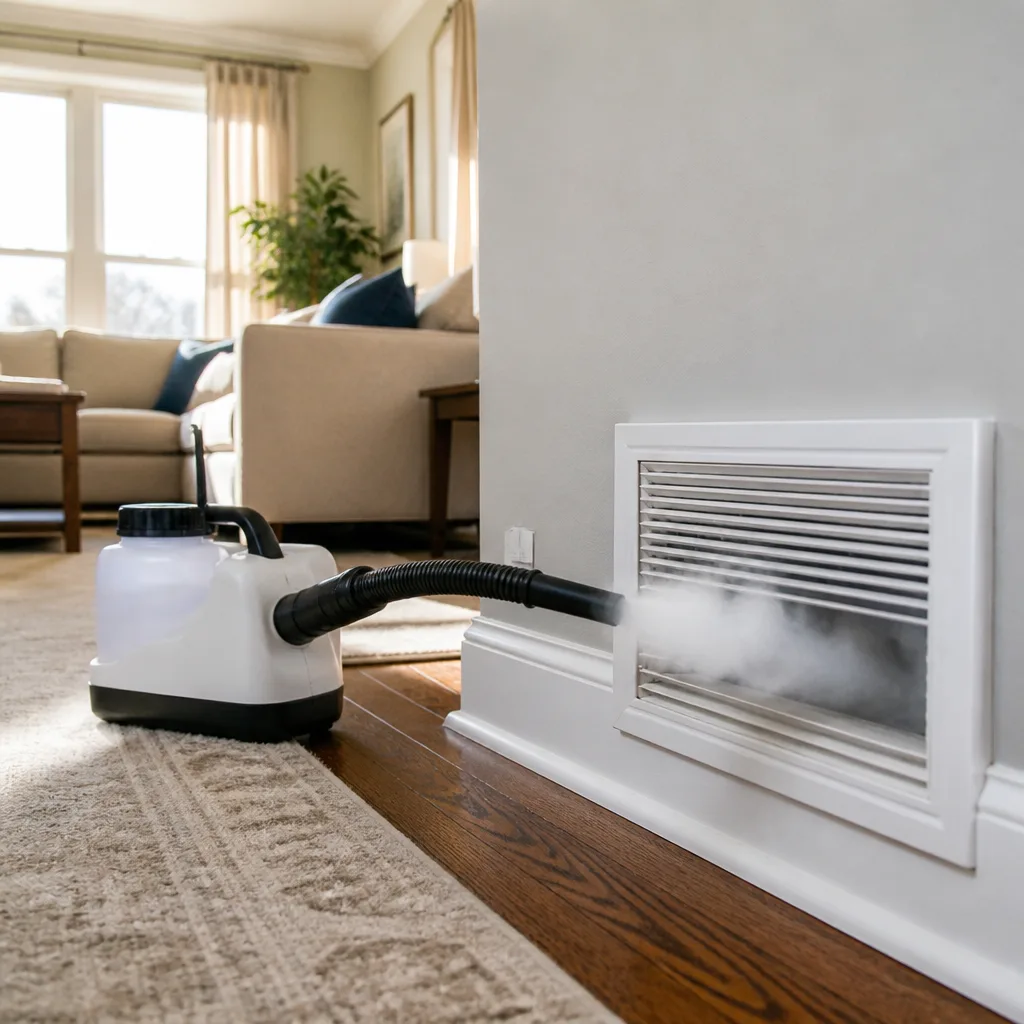 Sanitizing & deodorizing
Whole-system duct and dryer vent check with before-and-after photos - you see exactly what came out of your vents
That "$99 whole-house special" is a bait ad - the real number appears once they are in your hallway, or the "clean" is a shop-vac at the register. We photograph the inside of your ducts before and after instead.
Air Duct Cleaning Troubleshooting in Kensington: Common Problems and How to Fix Them
If one room in your house is always 5 degrees off from the rest, the problem is almost never the thermostat. It’s usually a collapsed flex duct, a disconnected trunk line, or a supply register that’s been partially blocked since the last HVAC service. Homeowners in Kensington tend to start troubleshooting by turning up the heat, swapping the filter, or calling someone to “clean the ducts,” when the real issue is that the ductwork itself has failed somewhere you can’t see. This guide treats your duct system as a diagnostic puzzle. By the end, you’ll know how to tell a dirt problem from an integrity problem, what the smells coming from your vents actually mean, and exactly what to have ready before a technician arrives at your door. Kensington Air Duct Cleaning walks through these symptoms every week, so we wrote down the ones that matter most.
Quick Answer
Most airflow and air-quality problems in Kensington homes trace back to one of four root causes: heavy dust and debris buildup inside the ducts, leaks or disconnections in the duct runs, an unbalanced system where some rooms get starved of air, or contamination like mold and construction dust that cleaning alone won’t fix. Troubleshooting means matching the symptom you notice (weak airflow, uneven temperatures, persistent dust, odd smells) to the likely cause before any work starts. A proper inspection confirms it, and a full-system approach that includes cleaning, repair, and sealing addresses the cause rather than the symptom.
Styles & brands we work with
- Whole-home duct cleaning
- Dryer vent cleaning
- Camera inspection
- Sanitizing & deodorizing
Table of Contents
- Dirty Ducts vs. Damaged Ducts: How to Tell the Difference
- Why One Room Never Gets Comfortable
- What Musty and Burning Smells From Your Vents Mean
- Reading Your Own Airflow: A Simple Register Check
- When a Cleaning Made Things Worse
- Why Duct Sealing Belongs in the Conversation
- When to Stop Troubleshooting and Call
- Common Mistakes to Avoid
Dirty Ducts vs. Damaged Ducts: How to Tell the Difference
The single most useful distinction in duct troubleshooting is between a dirt problem and an integrity problem. A dirt problem is what air duct cleaning is built for: dust, debris, pet hair, and settled particulates coating the inside of the duct runs. An integrity problem is different. It’s a leak at a joint, a section of flex duct that has sagged or torn, a trunk line that has come loose from a takeoff, or a run that was never connected properly to begin with. Cleaning a leaking system doesn’t fix the leak. It cleans the ducts and leaves the air loss exactly where it was.
Here’s how to tell them apart before anyone climbs into your attic or crawlspace:
- Airflow strength. Hold your hand at a supply register. If the push of air feels strong and steady in most rooms but weak in one or two, that points to a damaged or disconnected run serving those rooms, not to overall dirt.
- Dust pattern. Uniform dust settling across every room suggests a system-wide cleanliness issue. Dust concentrated near one register or one room suggests air is escaping or entering at a broken joint nearby.
- Noise. A whistling or rushing sound at a register can mean a restriction. A rattle or a whoosh from inside a wall can mean a loose duct section moving with the air pressure.
- Visible register check. Pull a supply grille and look inside with a flashlight. A uniform grey dust film is normal buildup. Torn flex duct, separated seams, or debris sitting loose in the boot is an integrity problem.
In our experience across Kensington homes, the two problems often overlap. Dust accumulates in a leaking system faster because unfiltered air is pulled in at every gap. That’s why we do repair and sealing alongside cleaning rather than treating them as separate jobs. You can learn more about how we approach the whole system on our Kensington Air Duct Cleaning page.
Why One Room Never Gets Comfortable
That one room that’s always 5 degrees off is the classic sign of a system balance problem, and it’s rarely a cleaning issue alone. Air from your furnace or air handler is pushed through a network of trunk lines and branch runs, and each run is sized to deliver a set amount of air to its room. When a run is crushed, disconnected, or leaking, the room at the end of it gets shortchanged. The thermostat reads the hallway, satisfies, and shuts off while the back bedroom is still cold.
Common causes of a chronically uncomfortable room:
- A crushed or kinked flex duct. Flex duct loses capacity fast when it’s bent too sharply or squashed during an install or a later attic repair. The air simply can’t get through.
- A disconnected branch run. The run has come off its takeoff at the trunk, so conditioned air dumps into the attic instead of the room.
- A blocked or closed register. Dampers inside some registers get shut and forgotten, or furniture blocks the grille. Check this first because it costs nothing.
- Leaky duct joints along the trunk. Every gap bleeds air before it ever reaches the room, and the longest runs lose the most pressure.
- Oversized equipment with undersized distribution. Sometimes the system was never balanced for the home’s actual layout.
If your room complaint is temperature rather than air quality, start with a register check and then get the ductwork inspected. Fixing a crushed or disconnected run often does more for comfort than any cleaning job. Where leaks are the culprit, Duct Repair & Sealing is the fix, and we handle it as part of the same visit. Homeowners in nearby areas with similar older housing stock run into this constantly too, which is why we field the same questions well beyond Kensington.
What Musty and Burning Smells From Your Vents Mean
Smells are the symptom homeowners take most seriously, and rightly so. The smell tells you what cleaning can address and what needs a shutdown first. Here’s how to read the three you’re most likely to notice:
Musty or “wet basement” smell
A musty odor coming from supply vents usually means moisture is present somewhere in the system, and moisture is what lets mold and mildew grow. Common sources are a wet cooling coil, standing condensation in a drain pan, or damp insulation in a duct run. This is a cleaning and sanitizing situation, and it’s why our Air Quality & Sanitizing work pairs with the standard HVAC cleaning service. Left alone, a musty smell tends to recur every cooling season.
Burning or hot-dust smell
A faint hot-dust smell the first time the heat runs each fall is normal: it’s settled dust cooking off the heat exchanger. A persistent burning smell is not. Shut the system off at the thermostat, check that the filter isn’t clogged, and call a professional before running it again. A burning smell can point to an electrical component, a failing blower motor, or an overheating component, and those are not things to troubleshoot from the register. Dust in the ducts can make the smell worse, but the underlying cause needs a technician, not a vacuum.
Chemical or exhaust smell
If you smell something like fuel, exhaust, or chemicals, treat it as an immediate shutdown and call. That kind of odor usually means something is being drawn into the return from a source it shouldn’t be, or a combustion appliance is backdrafting. It’s a safety issue first and a duct issue second.
Reading Your Own Airflow: A Simple Register Check
You can gather real diagnostic information from your own registers in about ten minutes, and it will make any technician visit more productive. Do this check when the system has been running at least fifteen minutes so the airflow has stabilized.
- Map your supply registers. Walk each room and note where the supply grilles are and whether furniture, rugs, or drapes block any of them.
- Feel the airflow one by one. Hold your hand a few inches from each supply. Note whether the flow is strong, medium, or weak. Write it down or photograph each one.
- Compare rooms. If most registers feel similar and one or two are clearly weak, you likely have a damaged or disconnected run serving those rooms. If every register feels weak, the issue is more likely a clogged filter, a dirty blower, a restricted coil, or a failing blower.
- Pull one supply and one return grille. Look inside with a flashlight for loose debris, torn flex duct, or separated seams. Resist reaching in further than you can see; ducts can dislodge debris that then travels into the system.
- Check your filter. A filter that’s overdue can mimic duct problems entirely. Replace it if it’s clogged and recheck the airflow before drawing conclusions.
That register map is gold for a technician. It tells them which runs to inspect and often shortens the diagnosis. If you’re a property manager with several units in Kensington, the same method scales up. The company that cleans and repairs those systems regularly works across the market, and our dryer vent cleaning scope means we check the other vent in the house too, since blocked dryer vents are their own fire concern.
When a Cleaning Made Things Worse
Not every cleaning is done well, and the damage shows up in recognizable ways. The most common sign is new or worse dust after a cleaning. If a crew used weak equipment or rushed a job, dislodged debris can settle in the system and blow back into rooms over the following days. Another sign is a musty smell that appears or intensifies after a cleaning: disturbing a moist or contaminated area without containment can spread mold spores through the house. A third sign is debris left visible behind a fully removed register, or loose material sitting in the boot, which tells you the run wasn’t actually cleaned.
What remediation looks like depends on the cause:
- Dislodged debris: a re-clean with professional-grade negative-pressure equipment that actually extracts the loosened material rather than stirring it.
- Disturbed mold: containment, HEPA-level extraction, and sanitizing in the affected area. This is where equipment like Abatement Technologies matters; consumer tools aren’t built for it.
- Re-contamination from a leaky system: cleaning again won’t hold if the ducts are leaking. Sealing the leaks first is what stops the repeat cycle.
This is why we run Rotobrush and Nikro systems, the professional-grade equipment certified HVAC contractors use, rather than shop-vac setups. It’s also why we use containment when the situation calls for it. We don’t want to be the second call after a bad job, but we understand why so many Kensington homeowners end up making one.
Why Duct Sealing Belongs in the Conversation
Here’s the piece most cleaning-only operators skip. Every joint, seam, and connection in your duct system is a potential leak, and in a typical older home there are dozens of them. Leaky ducts lose conditioned air before it ever reaches a room, and they pull unfiltered air in from attics, crawlspaces, and garages. That incoming air is often dustier and sometimes damper than what your filter is designed for. It also re-contaminates ducts you just paid to have cleaned.
Sealing changes the physics of the system:
- It stops air loss. Air that stays in the ducts reaches the room it was meant for, which helps with both uneven temperatures and energy use.
- It reduces re-contamination. Cleaned ducts stay cleaner longer when unfiltered air isn’t being drawn in through gaps.
- It improves the balance. Rooms that were starved now get their share of air once the leaks upstream are closed.
When we inspect a system, we look at the runs, the joints, and the connections before recommending a cleaning. If we find leaks or damage, we repair and seal, because that’s what keeps the fix in place. We also carry Honeywell and Aprilaire capabilities for homeowners who want to pair sealing with better filtration or purification so the whole system, not just the vents, ends up in better shape. The full system, not just the vents, is the standard we hold ourselves to. There’s a fuller writeup of this on our service overview if you want the details in one place.
When to Stop Troubleshooting and Call
There’s a point where troubleshooting pays off and a point where it doesn’t. Stop and call when:
- You smell burning, fuel, or chemicals from a vent. Shut the system down and call. That’s a safety call, not an air-quality one.
- The same room has been chronically cold or hot through multiple seasons and a filter change and register check didn’t change it.
- You see visible water, damp insulation, or mold inside a duct or around the air handler.
- Your filter loads up unusually fast, which often means debris or unfiltered air is getting into the return.
- You’ve had a recent renovation and the return grilles pulled in construction dust.
- You find loose debris or a disconnected run during your own register check and can’t safely reach it.
Before a technician arrives, have these ready: the room-by-room register map from your airflow check, the location of your air handler and filter size, any recent HVAC work or renovation dates, the symptoms you’ve noticed and when they started, and your thermostat setting. That packet turns a vague complaint into a targeted inspection. You might also want a written record of what’s been done before, especially if a previous cleaning didn’t hold. We can work alongside your regular HVAC contractor if you have one, and if you’re in an adjacent town with similar housing, the same preparation applies. You can get a free estimate for the work in Kensington by calling (877) 792-6865.
Common Mistakes to Avoid
- Assuming every airflow problem is a cleaning problem. Weak airflow in one room is often a damaged run, and cleaning won’t fix it. Test the register feel before booking anything.
- Ignoring a burning smell and running the system anyway. A faint first-heat dust smell is normal. A persistent burning smell is a reason to shut down and call, not a reason to change the filter and hope.
- Paying per-vent prices without knowing what gets cleaned. A per-vent quote can leave the trunks, the returns, and the air handler untouched. Ask for a flat price per system agreed before work starts.
- Skipping the register check on a second guess. Replacing a filter is fine, but if the problem persists, map the registers so the next step is targeted.
- Cleaning a leaky system and expecting it to stay clean. Leaks pull contaminants back in. Sealing is what makes a cleaning last.
- Letting a renovation dust bomb sit in the return. After construction or a major remodel, the return is pulling fine dust. Get it cleaned before it coats the coil and blower.
- Treating a musty smell as a deodorizing job. Odor masking doesn’t fix moisture. Find the source, clean, sanitize, and address the leak.
See the difference
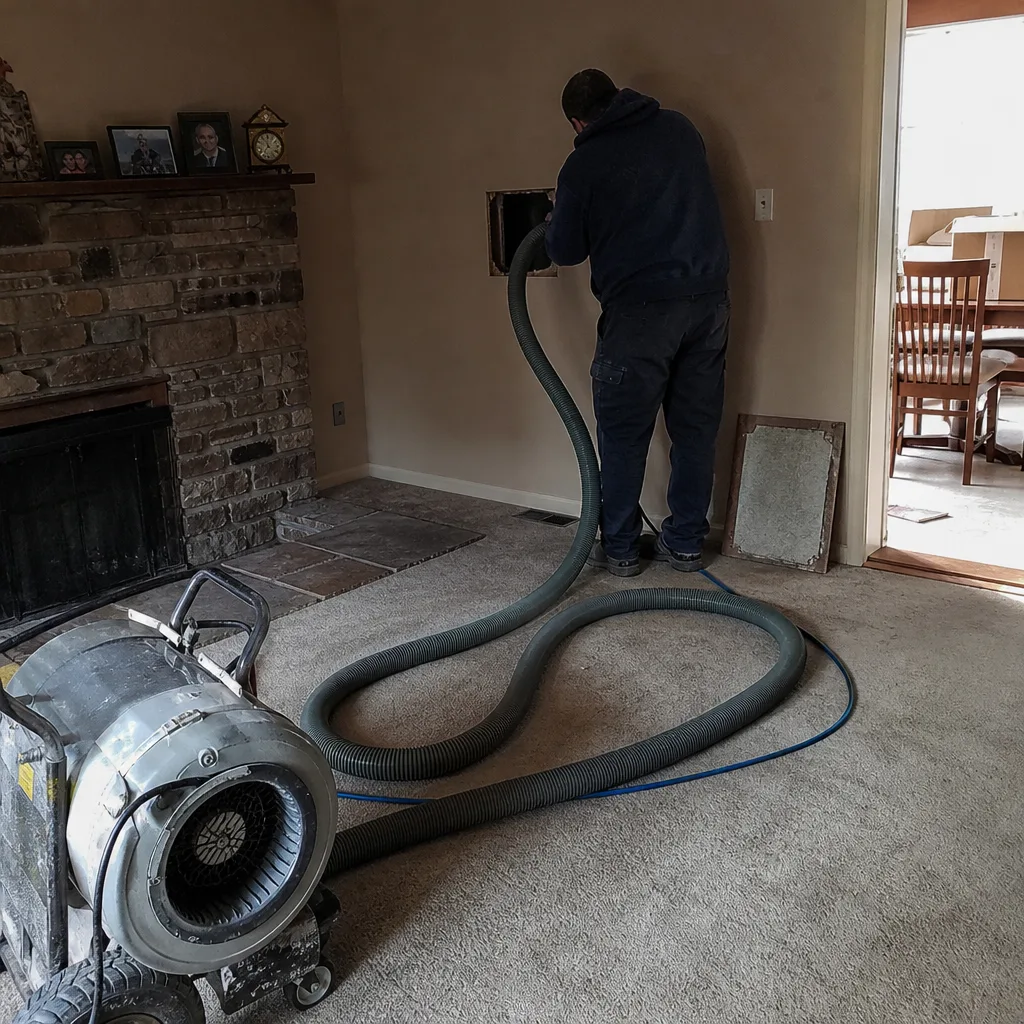 Before
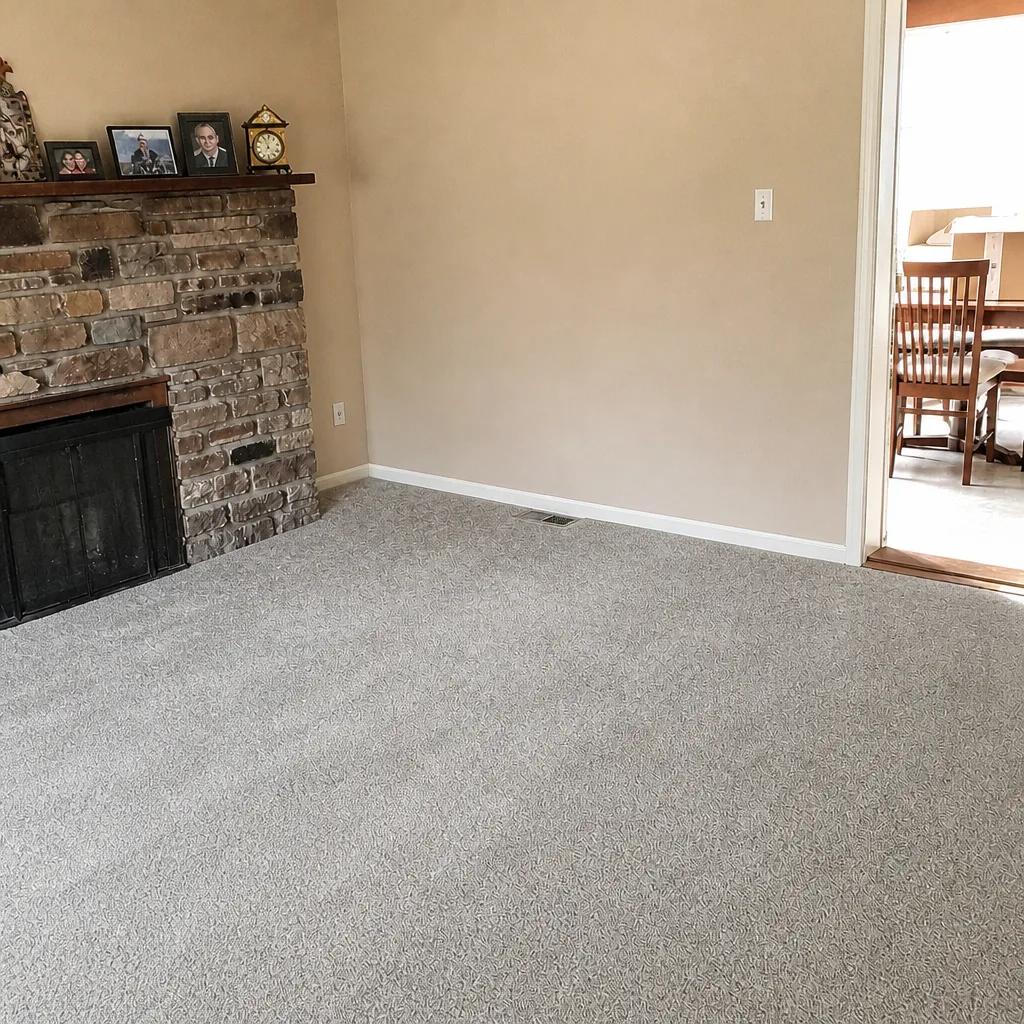 After
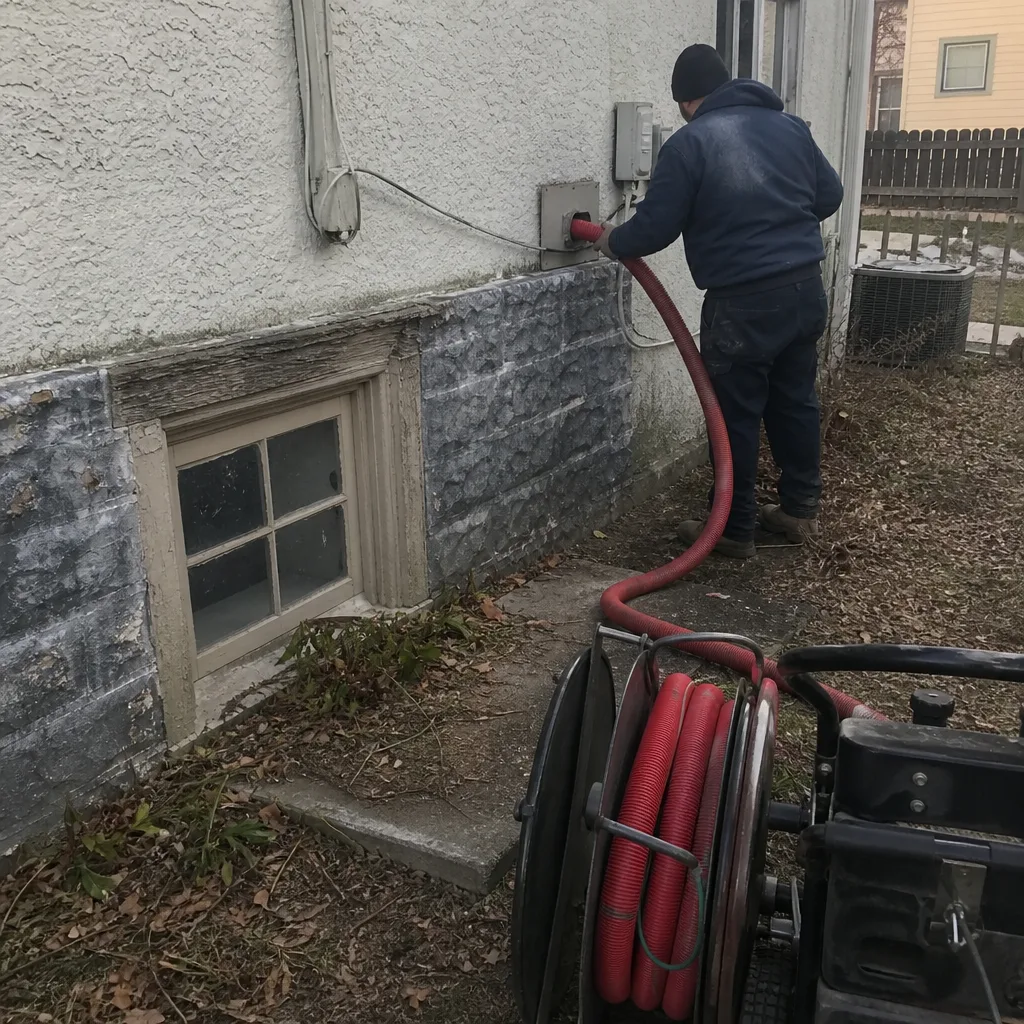 Before
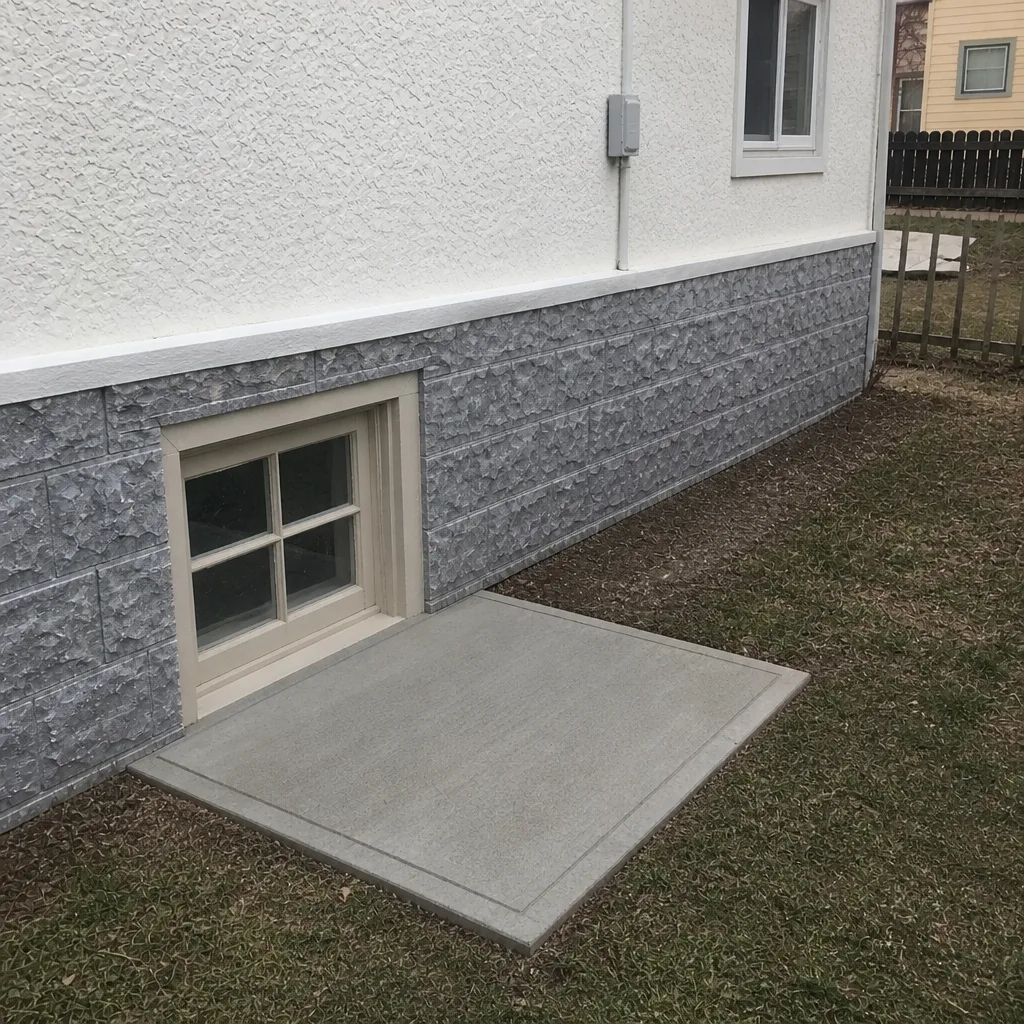 After
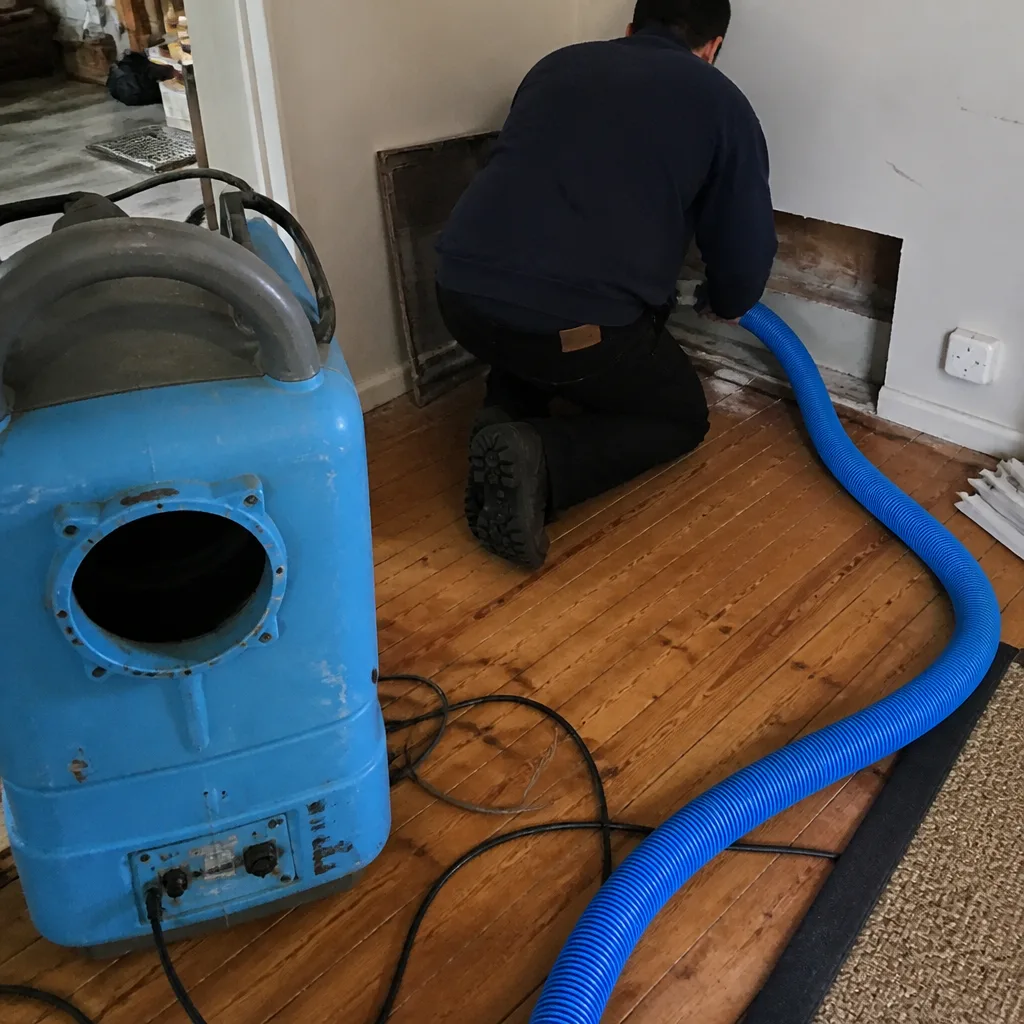 Before
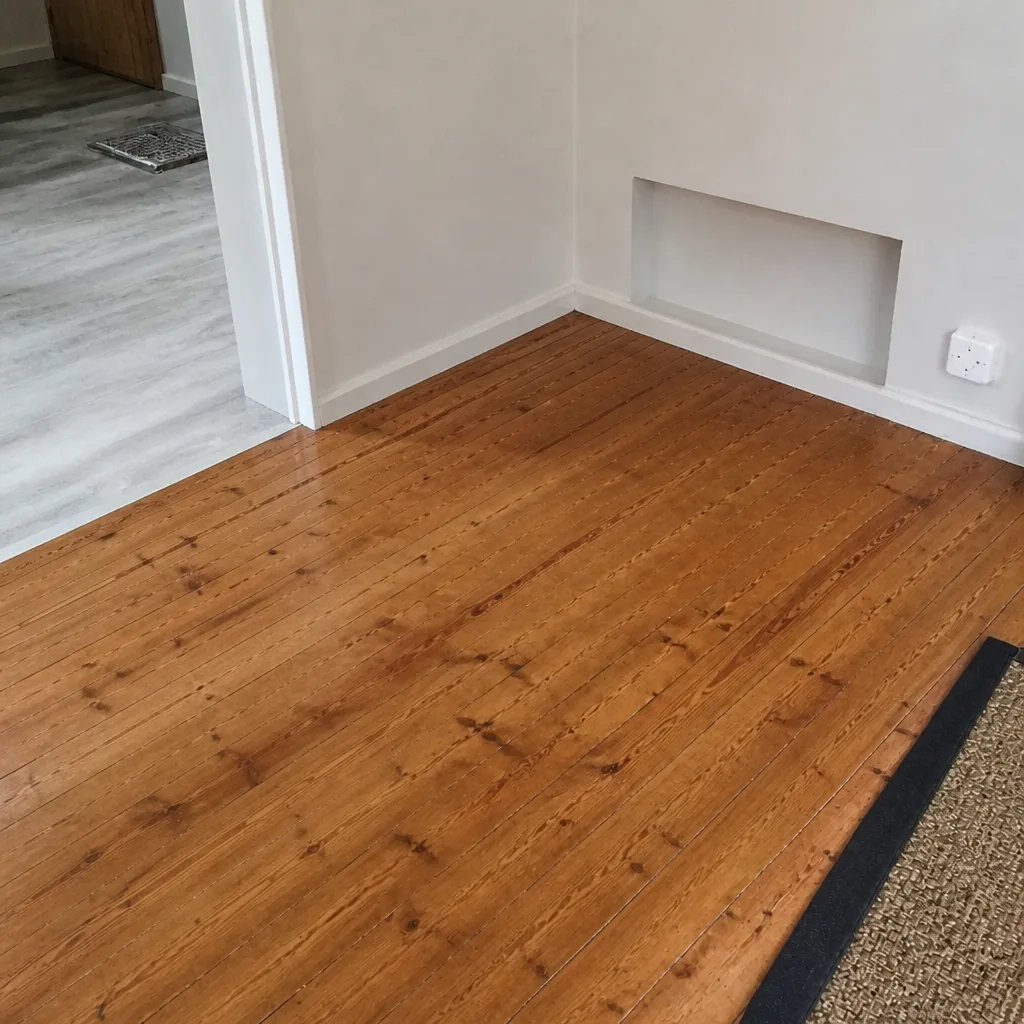 After
When to Call a Professional
Most homeowners can safely do the register check, the filter swap, and the smell diagnosis. What you shouldn’t do is climb into an attic, pull duct sections, or reach into the system after dark or in confined spaces. If your register map shows weak runs, if you’ve seen mold or water inside a duct, if a burning smell won’t clear, or if a previous cleaning made things worse, a professional inspection will save you time and prevent a worse outcome. A proper visit should include a look at the duct runs and connections, an honest opinion on whether you need cleaning, repair, or sealing, and a flat price for the job before any work begins. Kensington Air Duct Cleaning offers free estimates in Kensington. Call (877) 792-6865 to book an inspection.
Frequently Asked Questions
Dirty ducts produce uniform dust and generally even airflow with some overall weakness; damaged ducts produce weak airflow in specific rooms, visible tears or loose joints behind registers, or whistling and rushing sounds at one supply. The register map from your own airflow check is the fastest way to tell them apart. If you’re unsure, a professional inspection answers it in one visit.
A single chronically cold room is usually a system balance problem caused by a crushed, disconnected, or leaking run serving that room, not by dirty ducts. Check the register for blockage and feel the airflow first. If the flow is clearly weak in that room only, the run likely needs repair or sealing rather than just a cleaning.
A musty smell means moisture is present somewhere in the system, often a wet cooling coil, damp insulation, or a condensation issue, and that moisture allows mold and mildew to grow. Cleaning and sanitizing addresses the contamination, but the moisture source needs to be fixed or the smell will return. Call (877) 792-6865 for a free estimate on the inspection.
New dust after a cleaning usually means debris was loosened but not fully extracted, and it’s now settling out into rooms. In some cases a contaminated area was disturbed without containment. Remediation is a thorough re-clean with professional-grade negative-pressure equipment, sanitizing where needed, and sealing any leaks that let the contamination back in.
If an inspection finds leaks, disconnected runs, or damaged sections, sealing should come first, because a cleaned system with leaks will re-contaminate. In many homes we do both on the same visit. Ask for a flat price covering the whole system so you’re not comparing a cleaning quote to a repair quote that address different things.
There’s no universal schedule, but a few events reliably call for it: after a renovation or construction dust event, after moving into a home whose duct history you don’t know, when allergy symptoms track with time spent indoors, and when visible debris or a musty smell shows up. A filter swap and register check tell you a lot first. Call (877) 792-6865 and we’ll talk through what you’re seeing.
The Bottom Line
Duct problems are diagnosable, and most of the work is knowing which symptom points to which cause. Weak airflow in one room is usually an integrity problem, not a cleaning one. Uniform dust everywhere points to system-wide buildup. Musty means moisture; burning means shutdown. Your own register check tells you which of those you’re dealing with, and it makes any professional visit faster and more useful. Once the cause is identified, the fix is usually a full-system approach: clean what’s dirty, repair and seal what’s leaking, and address the contamination that cleaning alone won’t touch. That’s the work we do at Kensington Air Duct Cleaning, and it’s what turns a mystery into a system you can trust. For help troubleshooting in Kensington, call (877) 792-6865 for a free estimate.
Written by the team at Kensington Air Duct Cleaning.