
Last updated November 22, 2026
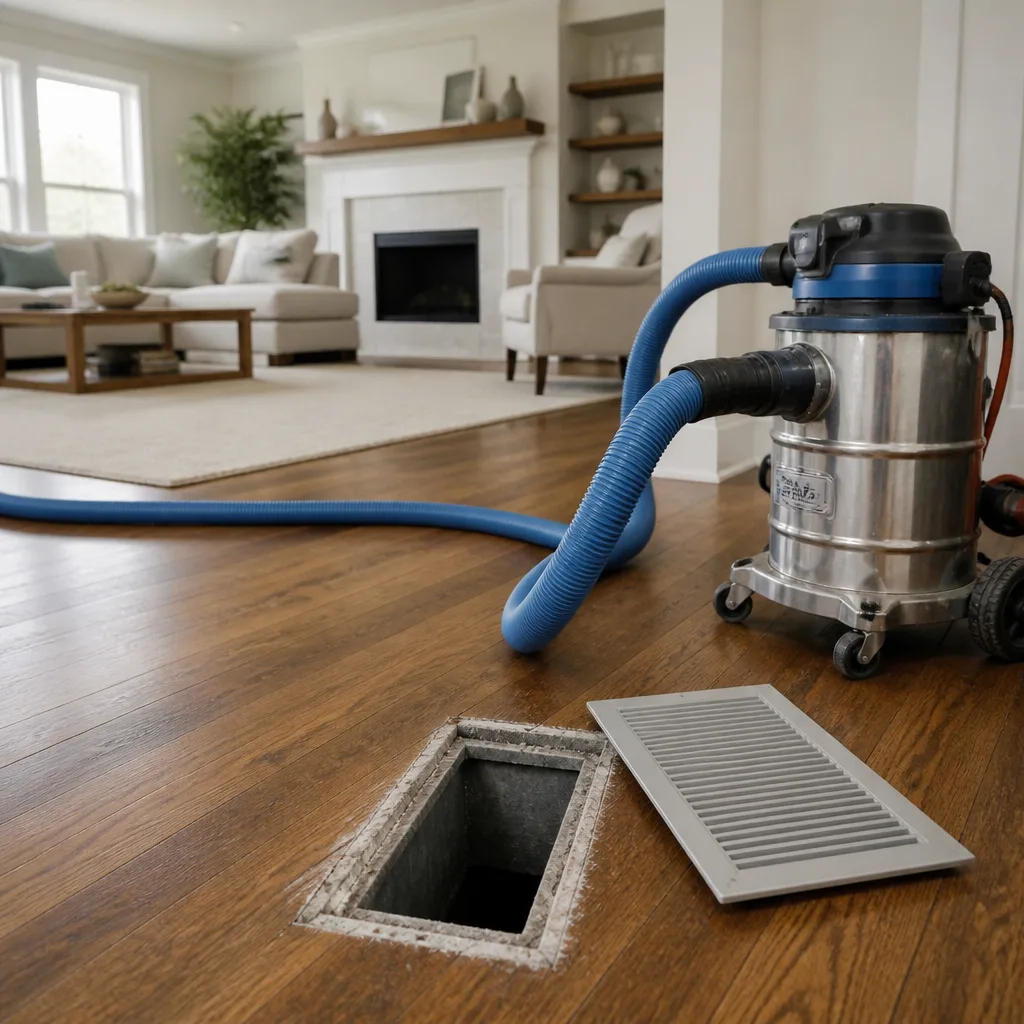 Whole-home duct cleaning
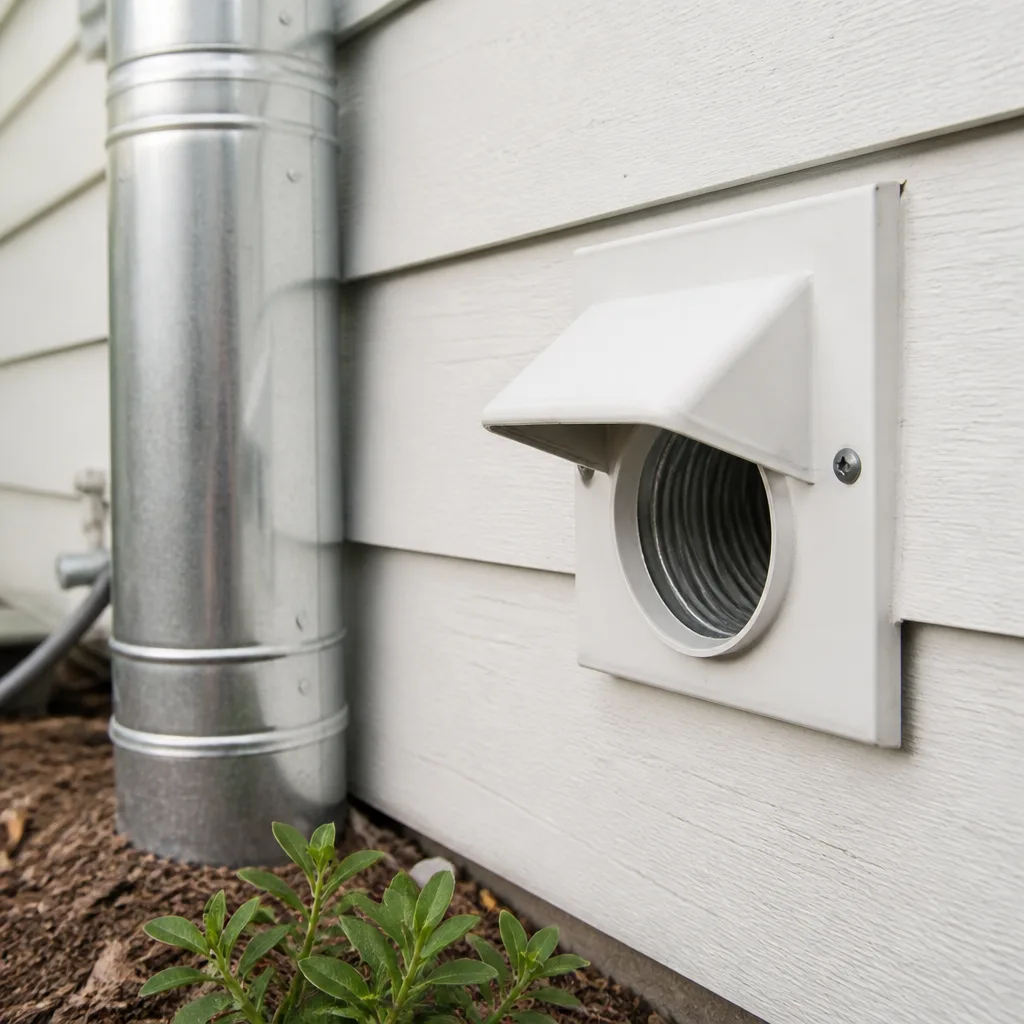 Dryer vent cleaning
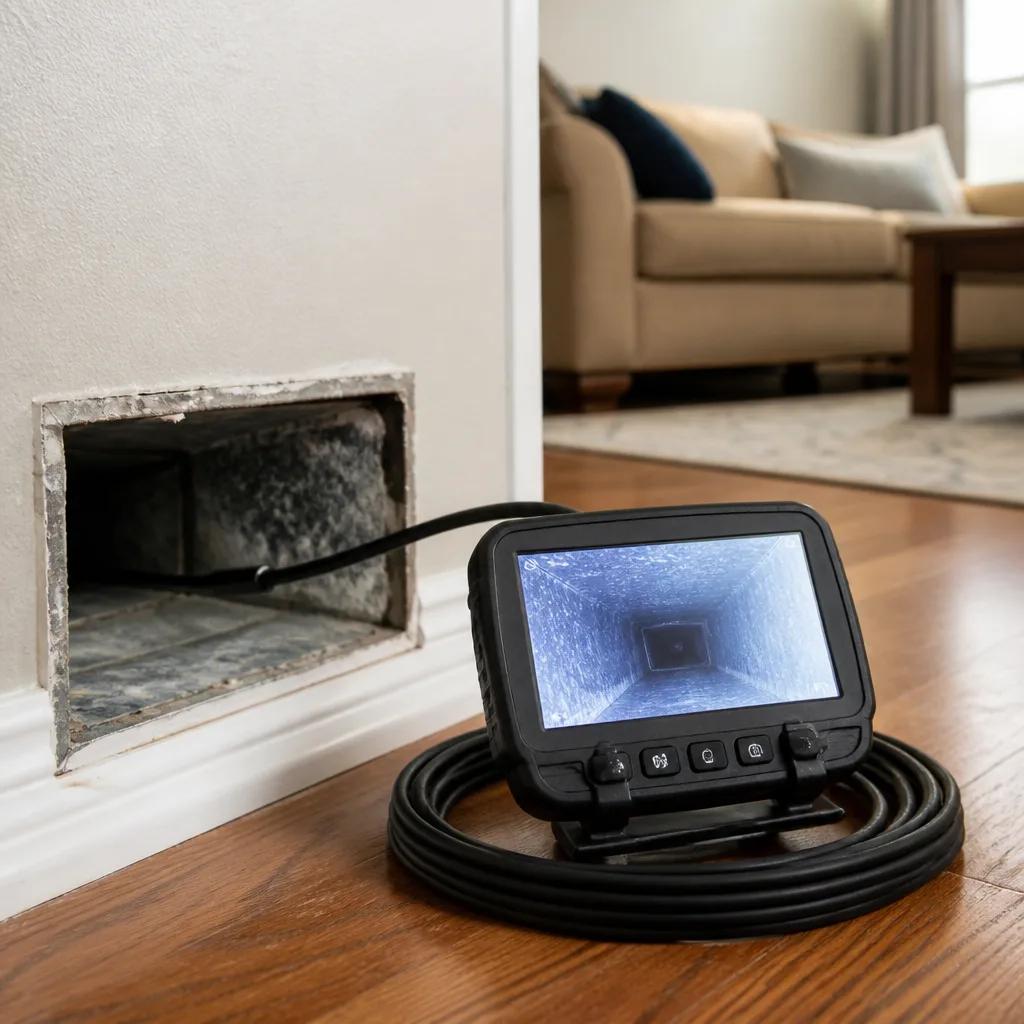 Camera inspection
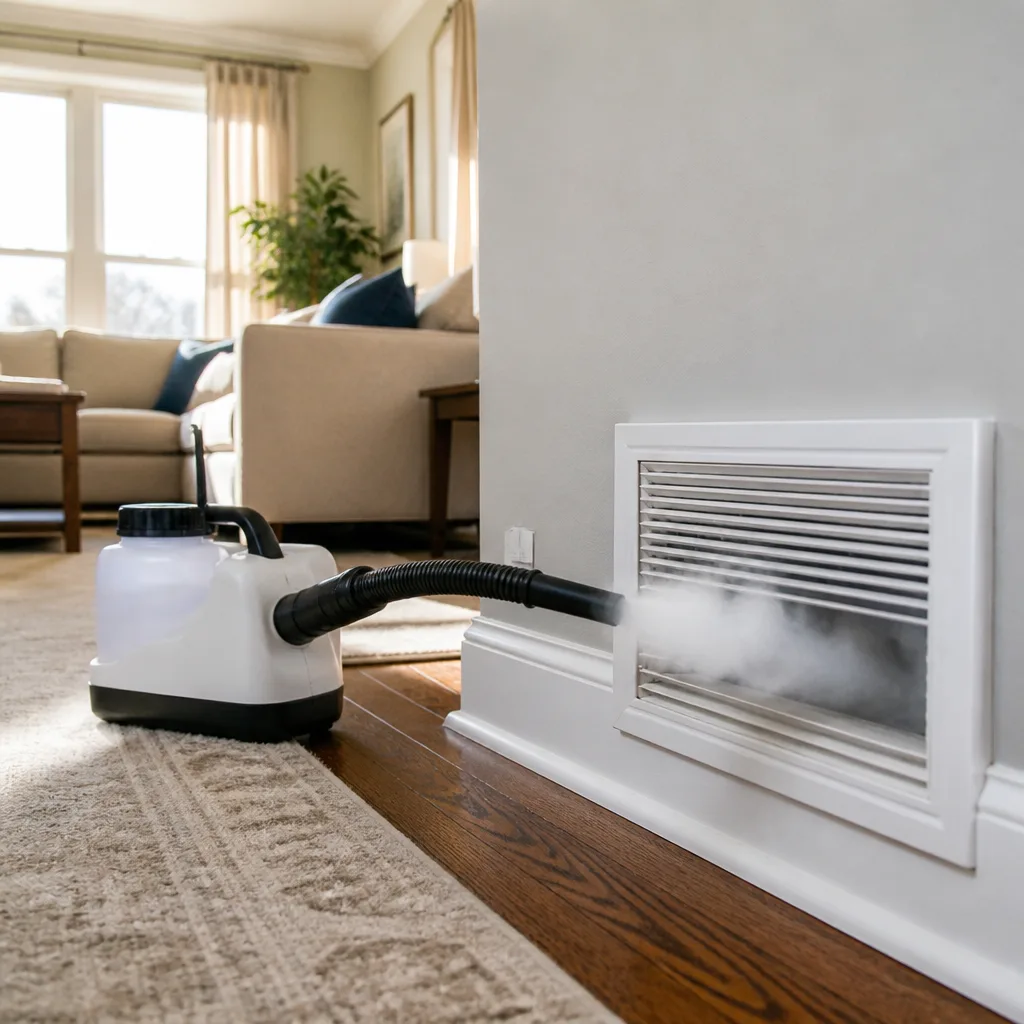 Sanitizing & deodorizing
Whole-system duct and dryer vent check with before-and-after photos - you see exactly what came out of your vents
That "$99 whole-house special" is a bait ad - the real number appears once they are in your hallway, or the "clean" is a shop-vac at the register. We photograph the inside of your ducts before and after instead.
The Complete Guide to Air Duct Cleaning in Kensington
Most duct cleaning advice you’ll find online was written for a new-build subdivision. That’s not Kensington. A large share of the housing stock here went up before modern duct sealing standards existed, which means the ducts inside these walls were built differently, fail differently, and collect contamination in patterns a generic guide won’t prepare you for. The result: homeowners book a cleaning, watch a vacuum hose run for an hour, and end up with the same air quality they started with. This guide explains how the system in a Kensington home actually works, what a real full-system clean involves, how to read the report afterward, and why cleaning without sealing is often half a job. By the end you’ll know exactly what to ask for, and what to walk away from.
Quick Answer
Air duct cleaning in Kensington means using negative pressure and mechanical agitation to remove built-up dust, debris, and contaminants from the entire duct system, then sealing the leaks that let that contamination back in. In older Kensington homes, the job matters more than in newer construction because unsealed plenums, degrading flex duct, and pre-standard building practices give contamination more places to hide. A thorough clean includes register-by-register inspection and a post-clean report you can actually read.
Styles & brands we work with
- Whole-home duct cleaning
- Dryer vent cleaning
- Camera inspection
- Sanitizing & deodorizing
Table of Contents
- Why Kensington’s Housing Stock Changes the Job
- What a Full-System Clean Actually Involves
- The Correct Sequence of Service Steps
- Equipment: What Separates Professional From Pretend
- How to Read a Post-Clean Report
- Why Cleaning Without Sealing Is Incomplete
- What Air Duct Cleaning Costs in Kensington
- How Often Ducts Really Need Cleaning
Why Kensington’s Housing Stock Changes the Job
Duct systems in older homes were often built with materials and methods that have since been revised. That doesn’t mean they’re dangerous, but it does mean a technician who only knows newer construction will misread what they’re looking at.
Here’s what we run into repeatedly in Kensington homes:
- Flex duct degradation. Flexible duct has a limited service life. In older installs, the inner liner can tear, sag, or separate from the outer jacket, creating pockets where dust collects and never moves. A vacuum pass on a torn liner can actually make things worse by pushing debris into the wall cavity.
- Unsealed plenums. The plenum is the box where your air handler connects to the ductwork. In many pre-1980s systems, the seams and penetrations were never sealed. That’s where a big share of conditioned air escapes before it ever reaches a register.
- Asbestos-adjacent materials. Some older duct wrapping and joint tape contains materials that require caution. We don’t remove or disturb those; we identify them and explain what to do next. Knowing the difference between “clean this” and “leave this alone” is part of the job.
- Mixed duct types. A single Kensington home often has rigid metal trunk lines feeding flex branches added during a later renovation. Each section needs different handling.
The practical takeaway: in Kensington, the inspection that happens before cleaning is as important as the cleaning itself. A crew that skips it is guessing.
What a Full-System Clean Actually Involves
A full-system clean is not a vacuum pass. It’s a controlled process where contamination is loosened mechanically, captured under negative pressure, and removed from the building. Understanding the difference is the single most useful thing you can take from this guide.
The two-part principle
Every effective duct cleaning relies on two things happening at once: agitation and negative pressure. Agitation breaks debris loose from duct walls. Negative pressure (a powerful vacuum connected to the system) keeps that debris airborne and moving toward the collection point instead of settling into your living space. Skip agitation and you vacuum only what’s already loose. Skip negative pressure and you blow dust into the house.
What a truck-mounted vacuum pass misses
A single vacuum hose dropped into one trunk line creates suction at that point and very little elsewhere. It can’t reach branch runs, doesn’t scrub duct walls, and leaves the plenum and coil cabinet untouched. It’s fast, it’s cheap to offer, and it produces a visible hose in your driveway that looks impressive. It is not a full-system clean.
Register-by-register inspection
After the main lines are cleaned, every supply and return register is checked individually. This is where problems get found: a crushed flex branch behind a kitchen cabinet, a return that was never connected, a register boot that’s separated from the drywall. We repair what we find, because cleaning a system with a broken branch just means the contamination comes right back.
The Correct Sequence of Service Steps
Order matters. Done in the wrong sequence, duct cleaning can push contamination deeper into the system instead of out of it. Here’s the sequence that works:
- Walkthrough and system assessment. Identify duct type, layout, access points, and any materials that shouldn’t be disturbed. Confirm the scope with you before anything is touched.
- Protect the living space. Drop cloths and containment at the work area. HEPA-level extraction equipment comes into play here, especially on post-renovation or higher-contamination jobs.
- Set negative pressure. Connect the extraction unit to the system so the entire duct network is under vacuum. This is the step that keeps debris from migrating into rooms.
- Mechanical agitation, section by section. Rotobrush and Nikro whip-and-brush systems work each run, scrubbing debris from duct walls. This is the work that a plain vacuum pass never does.
- Clean the air handler and coil cabinet. Dust that settles here re-contaminates everything downstream. Cleaning the ducts without cleaning this component is a partial job.
- Register-by-register inspection and repair. Confirm each branch is clear and connected. Seal any leaks found during the walkthrough.
- Final verification. Document the work with before-and-after photos and a written report, then walk you through it.
If a company can’t describe their sequence in roughly this order, that’s a signal worth paying attention to.
Equipment: What Separates Professional From Pretend
The equipment visible in a van tells you a lot about the scope of work a company is actually capable of. A shop vacuum and a length of hose is not professional duct cleaning equipment. It’s a shop vacuum with a long hose.
Professional-grade systems used by certified HVAC contractors include Rotobrush and Nikro, both of which combine rotary agitation with high-capacity extraction. For higher-contamination situations, mold spores, fine particulates, post-construction dust, Abatement Technologies equipment provides containment and HEPA-level extraction so contaminated air is captured, not redistributed. Kensington Air Duct Cleaning operates these systems because ductwork in this city’s older homes demands it.
Equipment also matters for what comes after cleaning. Honeywell and Aprilaire filtration and purification products integrate with existing HVAC systems, which means better filtration can be part of the conversation when a cleaning reveals that your current filter setup isn’t up to the load your household is putting on it.
One more thing: ask what the technician will use inside the ducts. If the answer involves the word “brush” and nothing else, ask follow-up questions.
How to Read a Post-Clean Report
A post-clean report is only useful if it tells you something you couldn’t already see. Here’s what a real one contains, and what to check:
- Before-and-after photos of your own ducts. Not stock images. Not a generic “clean duct” photo. Photos of the registers, main runs, and plenum in your home, taken before and after.
- Register-by-register confirmation. Each supply and return should be noted as accessed, cleaned, and inspected. If the report just says “ducts cleaned,” ask for the detail.
- Findings. Leaks identified, disconnected branches, damaged flex duct, areas not accessible without cutting an access panel. This is the section that tells you what still needs doing.
- Air handler condition. Whether the coil cabinet and blower compartment were cleaned, and photos of what they looked like before.
- Scope notes. Anything excluded from the job, stated clearly. Good reports tell you what wasn’t done.
What a report shouldn’t be: a one-page invoice with a checkmark and no documentation. In our experience, the quality of the report tends to track the quality of the work.
Why Cleaning Without Sealing Is Incomplete
Duct leakage is the quiet problem that undoes a good cleaning. Every gap in a duct system, at the plenum seams, at register boots, at disconnected joints, lets conditioned air escape into wall cavities and attic space before it reaches your rooms. In older Kensington homes, that leakage is the norm, not the exception. The air you paid to heat or cool goes into the structure instead of into the room.
It also cuts the other way. Leaks let unconditioned air, garage air, and attic air get drawn into the system. So even after a thorough clean, an unsealed system keeps pulling outside contamination back in. That’s why a clean without sealing tends to have a shorter shelf life.
Duct Repair & Sealing closes that loop. Sealing the leaks identified during cleaning means the clean air you paid for stays in the ducts where it belongs, and the next layer of debris takes much longer to build up. In our experience, this is the difference between a service that solves a problem and one that postpones it.
If you’re booking air duct cleaning in Kensington, ask whether leak identification and sealing are included in the scope. If they aren’t, ask what the company charges to come back and do it.
What Air Duct Cleaning Costs in Kensington
Cost depends on the size of the system, the number of registers, duct type, and whether repair or sealing is included. Rather than give a teaser coupon figure that turns into a much larger invoice on the day, we work on one flat price per system, agreed before work starts and confirmed in writing.
Here’s how the pricing conversation should go for most Kensington homes:
- Full-system clean for a typical single-family home with standard register count: quoted as a flat whole-system price, not a per-vent rate.
- Repair and sealing (if leaks or disconnected branches are found): added as a separate line item you approve before work continues.
- Air quality add-ons such as filtration upgrade: quoted separately, only where the system supports it.
What to watch for: per-vent pricing that balloons with your register count, anything quoted over the phone before anyone has seen the system, and any “estimates are free but the diagnostic is $X” wording. The written estimate sets the final price. Call (877) 792-6865 for a free estimate on your Kensington home.
How Often Ducts Really Need Cleaning
There’s no single universal answer, but there are clear signals. For most homes, an inspection every few years is reasonable. Cleaning is worth scheduling when you see specific signs rather than on a fixed calendar.
Signs it’s time for a clean or at least an inspection:
- Visible dust or debris blowing from registers, or dust settling quickly after cleaning rooms
- Recent renovation, especially drywall sanding or major demolition, that put dust into the return side
- A new HVAC system or air handler install, where leftover construction debris can contaminate the new equipment
- Allergy or respiratory concerns that get worse in specific rooms
- Visible mold or musty odor from registers or the air handler
- Noticeable airflow problems in one or more rooms
Homes with pets, heavy foot traffic, or occupants with allergies usually benefit from shorter intervals. Homes that are lightly occupied and well filtered can go longer. The right answer comes from looking at the system, not from a calendar.
While we’re in the system, dryer vent cleaning is worth adding to the visit, since lint buildup is a fire-hazard concern and the vent is often overlooked when the HVAC system gets attention.
Common Mistakes to Avoid
- Booking on per-vent pricing. It rewards a company for finding more vents and gives you no ceiling on what you’ll pay. Ask for a flat whole-system price.
- Accepting a vacuum pass as the whole job. If the only equipment on site is a hose, no agitation is happening, and the duct walls are being skipped.
- Skipping the air handler. Cleaning the ducts but leaving a dusty coil cabinet just re-contaminates everything downstream within weeks.
- Cleaning without sealing. Leaks in a Kensington home’s older duct system pull outside air back in. Sealing is what makes the clean last.
- Not asking about access and materials. Dropped ceilings, finished basements, and pre-1980s duct wrapping all affect how the job should be handled. A company that doesn’t ask hasn’t done the homework.
- Not getting before-and-after photos of your own system. Without photos, you have no way to verify what was actually done.
- Ignoring the HVAC side. Ducts and equipment are one system. If something in the HVAC cleaning scope wasn’t addressed, the clean is incomplete.
See the difference
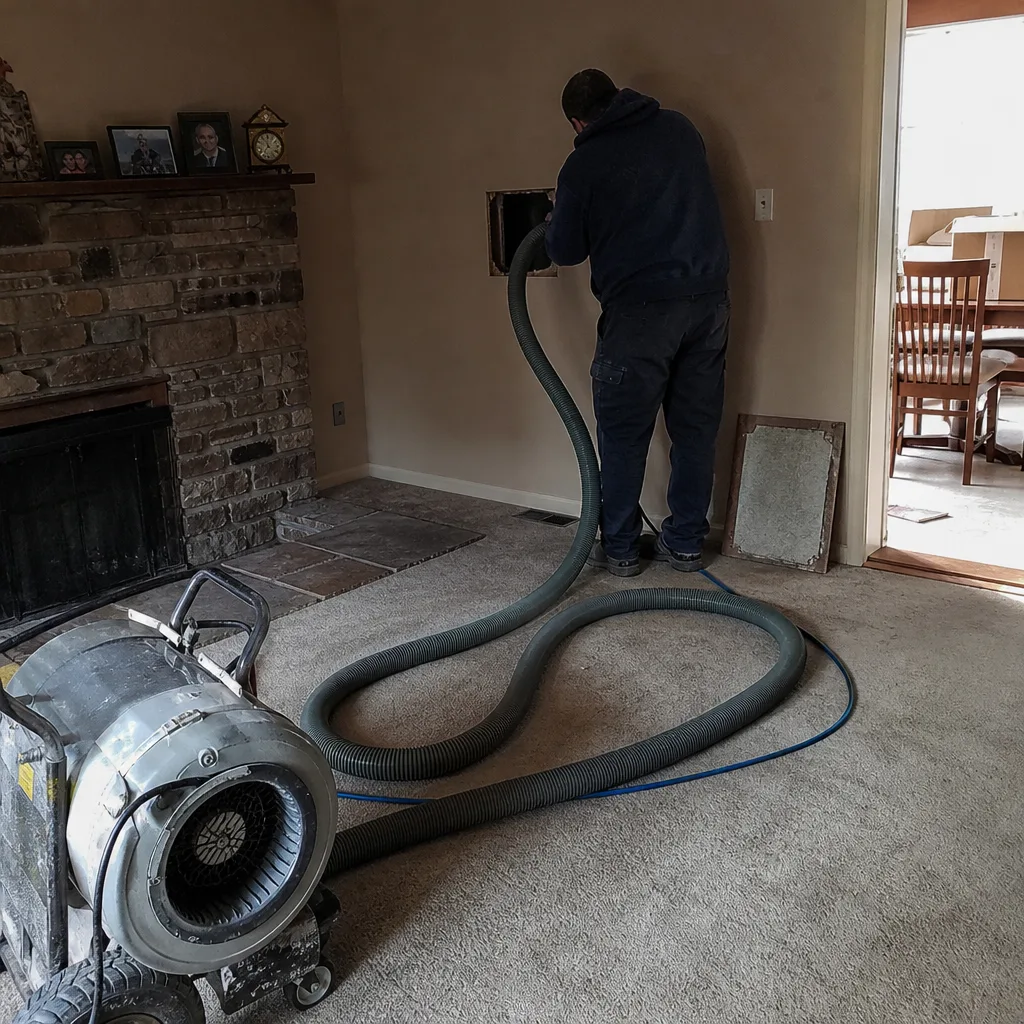 Before
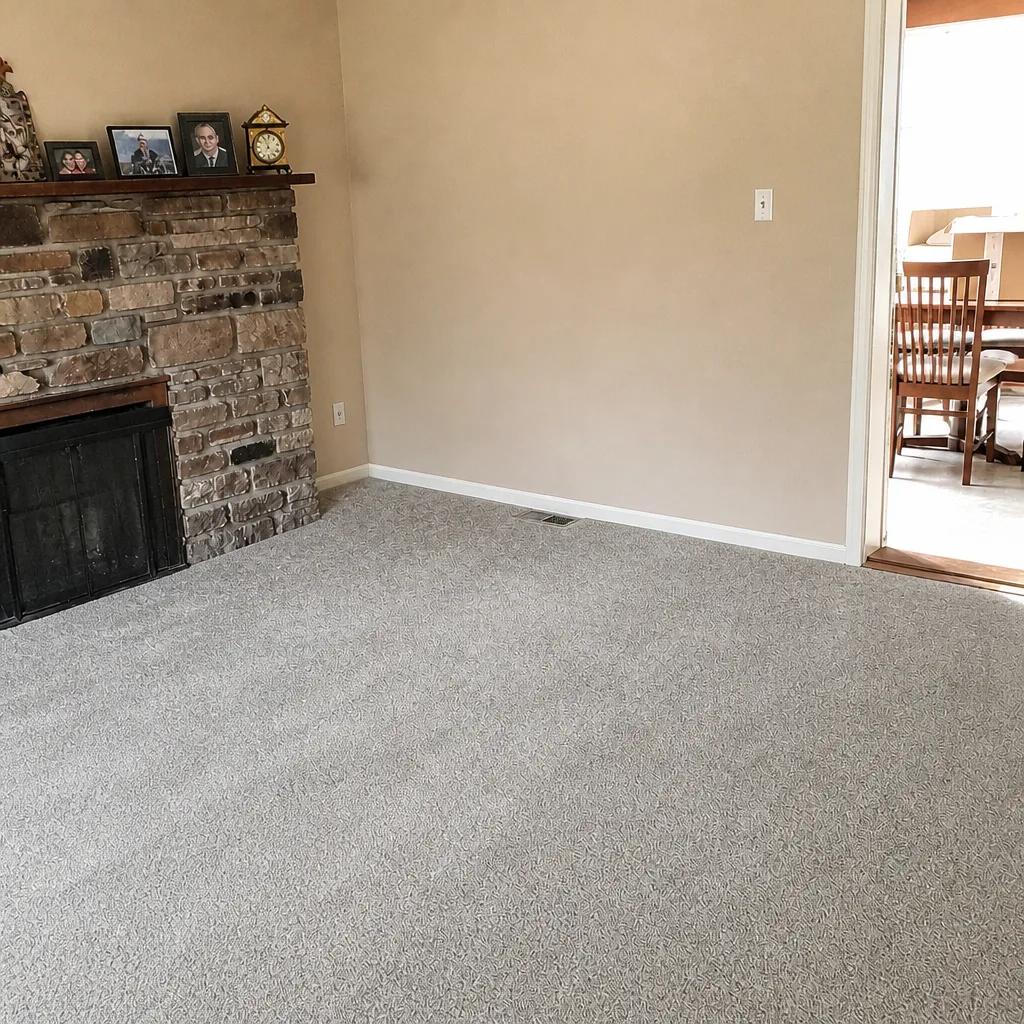 After
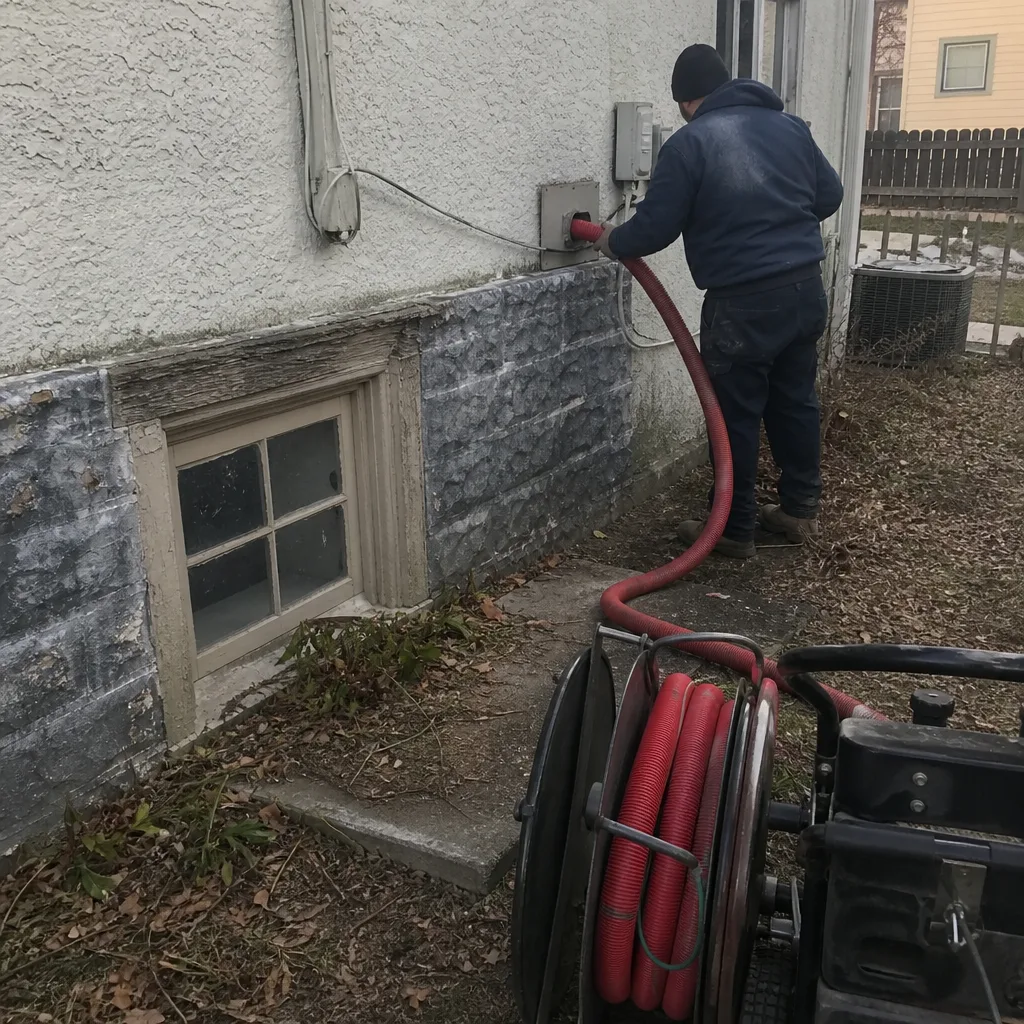 Before
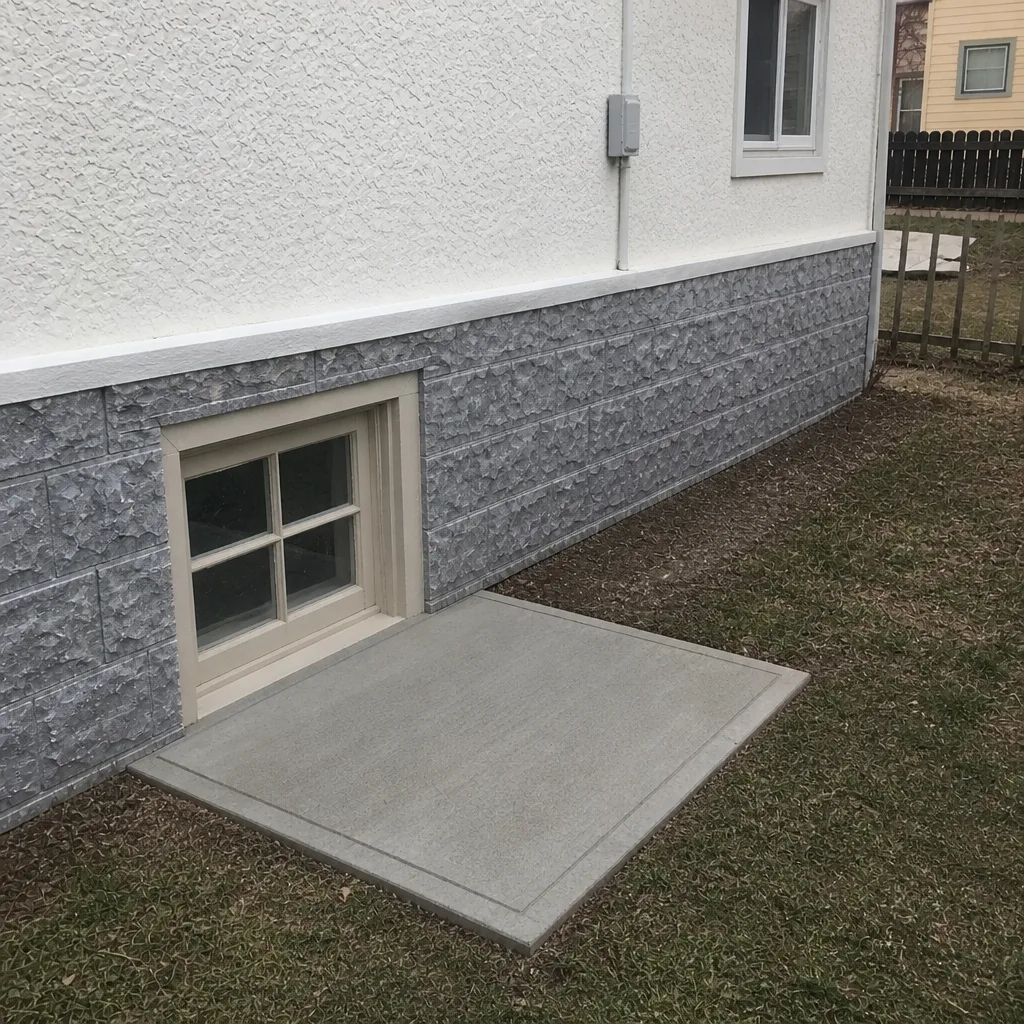 After
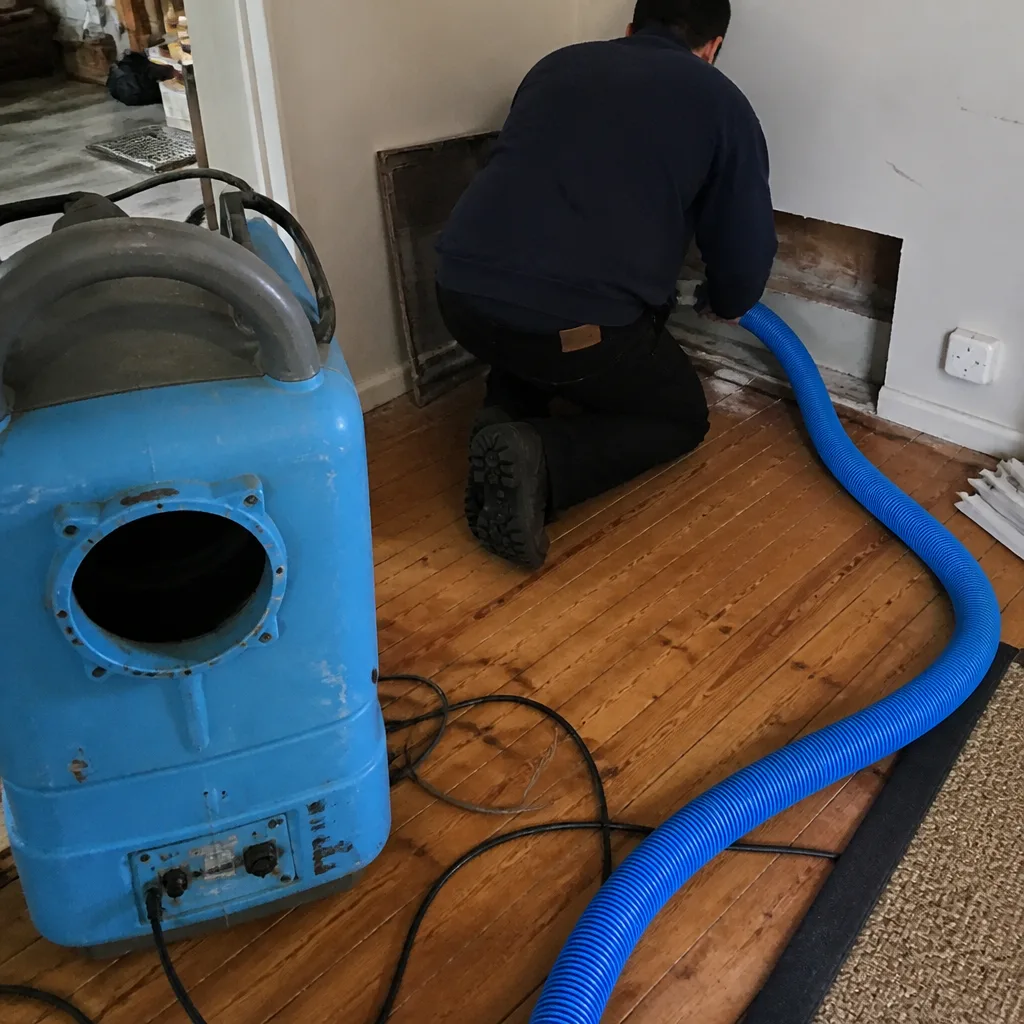 Before
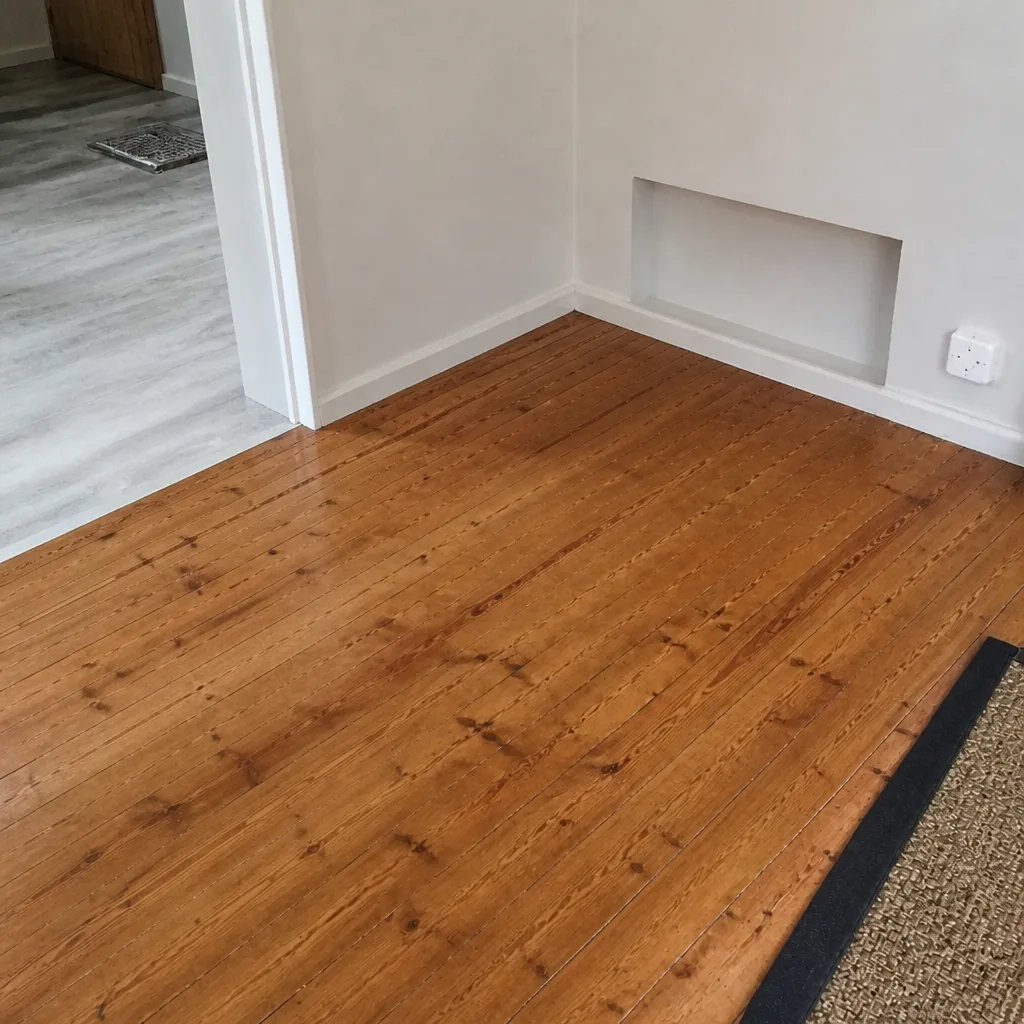 After
When to Call a Professional
Call a professional when you’re seeing dust discharge from registers, when there’s been a renovation that put dust into the return side, when you have visible mold or persistent musty odor in the airstream, or when a new HVAC install left debris in the system. Call when a room’s airflow has noticeably dropped or when allergy symptoms tie to time spent indoors. And call when you want a straight answer about what’s actually inside the ducts, rather than a general assurance that things are fine. Kensington Air Duct Cleaning offers free estimates in Kensington; call (877) 792-6865. We answer 24/7. Fast dispatch from 7am to 7pm, Sunday through Friday. Our technicians have up to 12 years of experience, and the local pro we connect you with is licensed and insured as their state requires. We work with your insurer when a claim is involved.
Frequently Asked Questions
It depends on the system size, register count, duct type, and whether repair or sealing is included, so the honest answer is a flat whole-system price quoted after inspection rather than a per-vent rate or a coupon figure. The written estimate sets the final price, and we agree on it before work starts. Call (877) 792-6865 for a free estimate.
Cheap quotes usually reflect a vacuum pass rather than a full-system clean: no agitation, no air handler cleaning, no leak identification, no report. That low number also often sits next to add-ons once the technician is on site. Ask what’s included in writing before you compare numbers. Call (877) 792-6865 and we’ll explain exactly what our scope covers.
Ask for before-and-after photos of your own ducts, register-by-register confirmation, and documentation of the air handler. A report with those three things is one you can trust. Call (877) 792-6865 to book an inspection and see the report format for yourself.
For most Kensington homes, an inspection every few years makes sense and cleaning is worth scheduling when you see specific signs: dust blowing from registers, recent renovation, a new system install, or allergy symptoms that track with indoor time. There’s no need to clean on a fixed calendar. Call (877) 792-6865 for an honest assessment of whether yours is due.
If mold is visible in a duct, cleaning and sanitizing can address it, but the underlying moisture source has to be found; otherwise it comes back. Our Kensington Air Duct Cleaning visit includes locating the moisture issue during inspection. Call (877) 792-6865 to schedule a look.
Most older Kensington homes need some sealing because pre-standard construction leaves gaps at plenum seams and register boots, and those gaps let contamination back in. Cleaning alone usually works; sealing makes it last. Call (877) 792-6865 and we’ll tell you what we find.
The Bottom Line
In Kensington, a useful duct cleaning is specific to the housing stock, the system type, and what’s actually inside the walls. A vacuum pass isn’t a clean. Per-vent pricing isn’t a price. A report without your own photos isn’t proof. What works is the full system approach: inspection first, negative pressure and agitation together, the air handler included, register-by-register confirmation, and sealing where the inspection found leaks. Rotobrush and Nikro equipment makes the agitation possible; Honeywell and Aprilaire options can extend the value of the visit. When it’s time, get a written estimate you can read and a report you can keep. Call Kensington Air Duct Cleaning at (877) 792-6865 for a free estimate. We answer 24/7. Fast dispatch from 7am to 7pm, Sunday through Friday.
Written by the team at Kensington Air Duct Cleaning.