
Last updated November 22, 2026
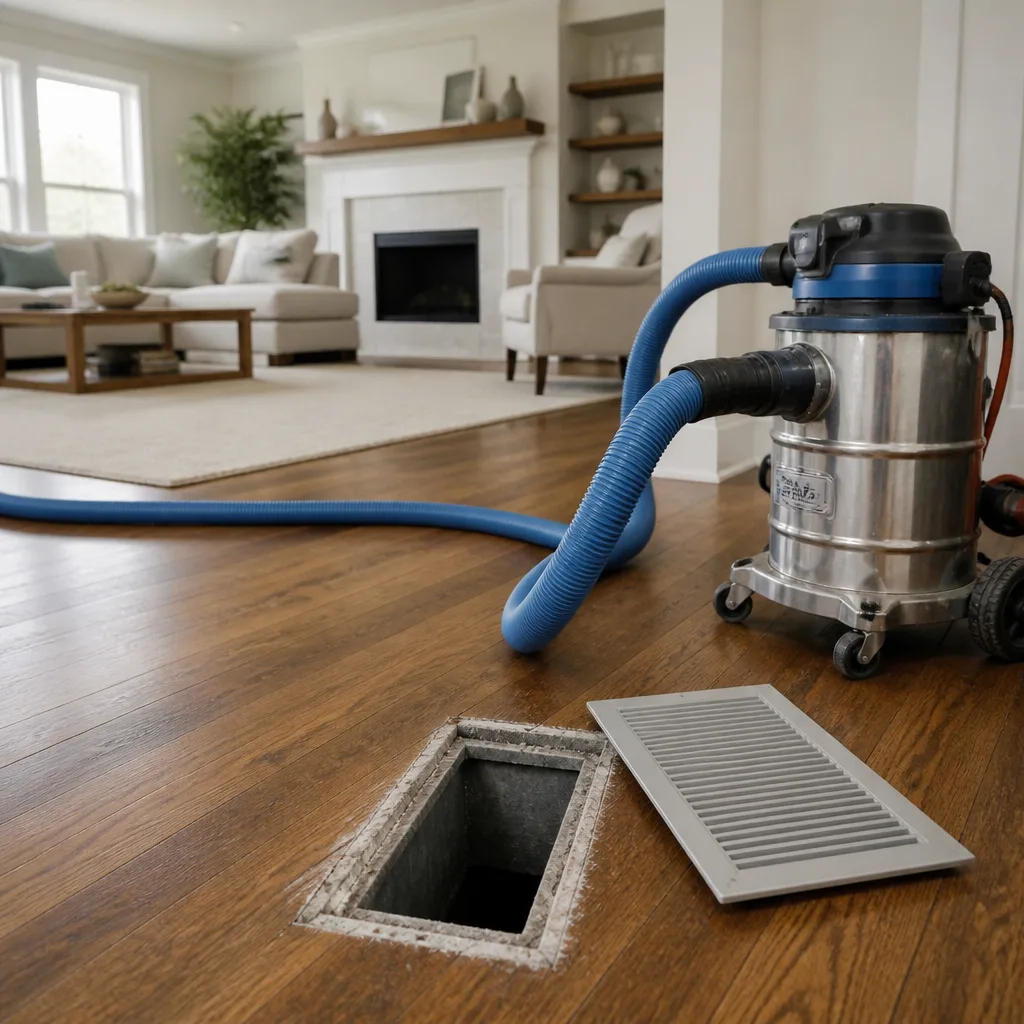 Whole-home duct cleaning
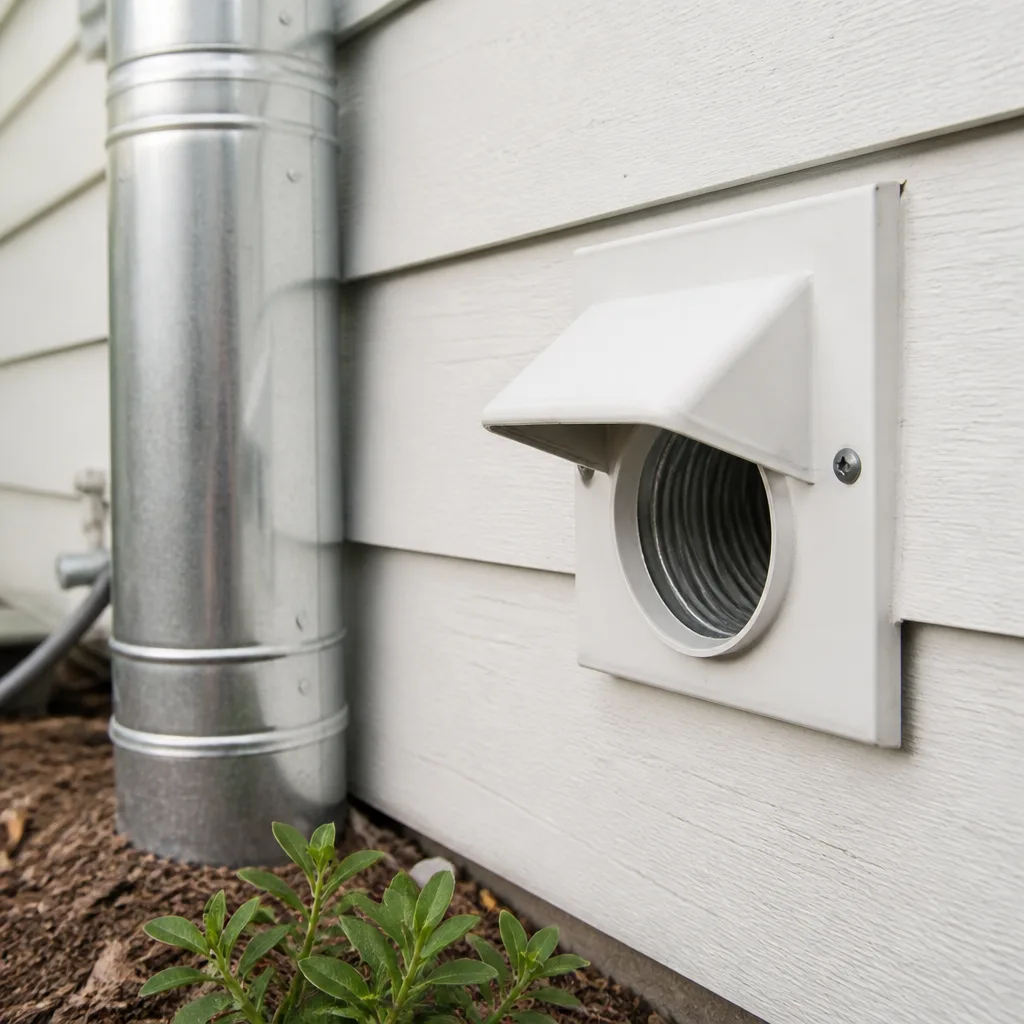 Dryer vent cleaning
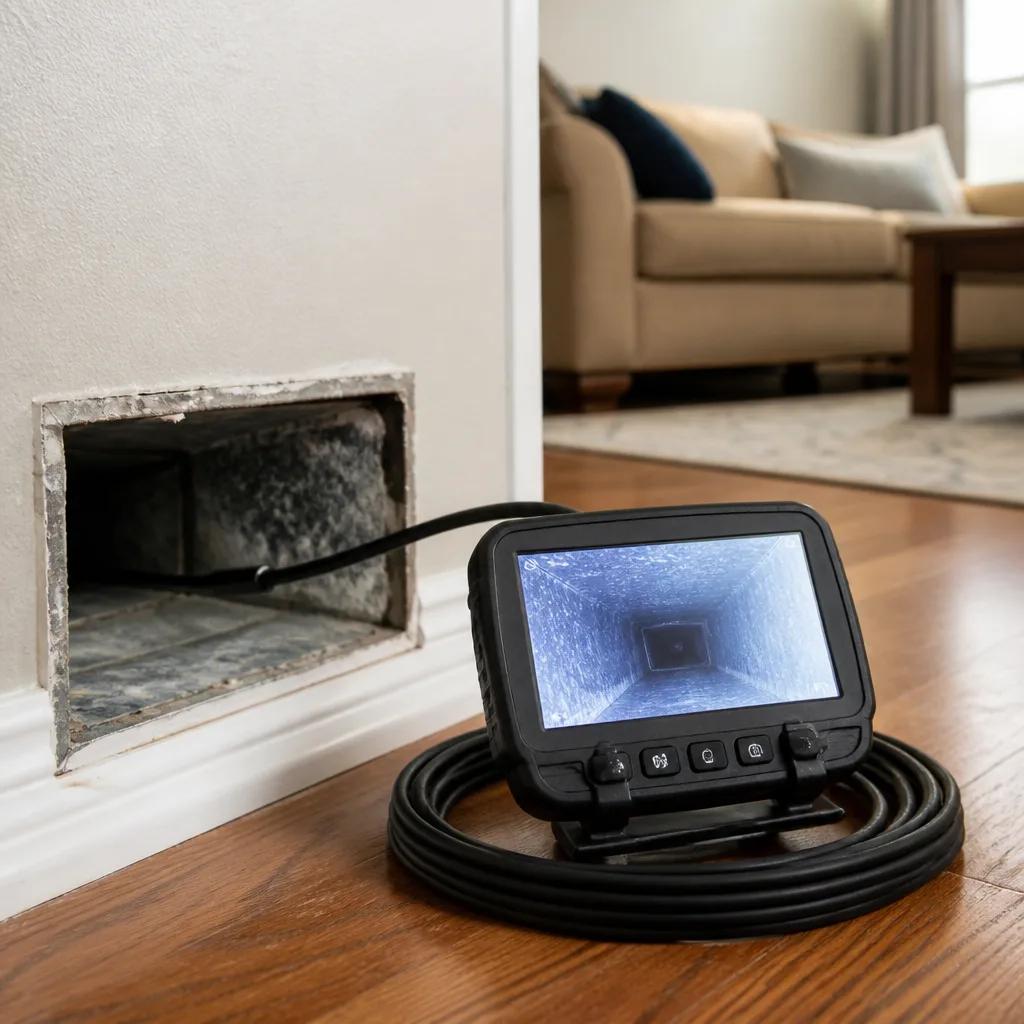 Camera inspection
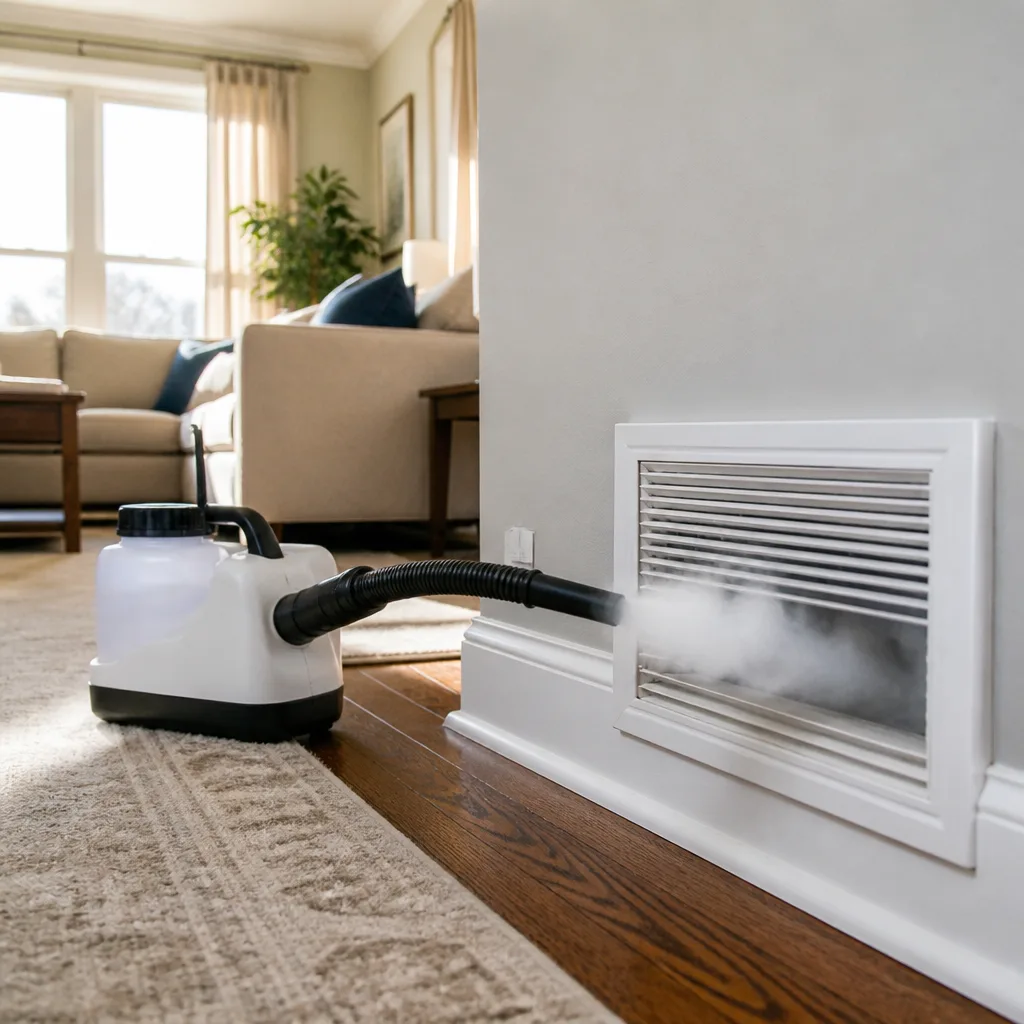 Sanitizing & deodorizing
Whole-system duct and dryer vent check with before-and-after photos - you see exactly what came out of your vents
That "$99 whole-house special" is a bait ad - the real number appears once they are in your hallway, or the "clean" is a shop-vac at the register. We photograph the inside of your ducts before and after instead.
Air Duct Cleaning Emergency Preparedness Guide for Kensington Homes
Most homeowners treat a house fire, a burst pipe, a gut renovation or a rodent problem as four unrelated events. Inside the ductwork, they’re the same event. Soot, moisture, drywall dust and pest debris all enter the same hidden airway system, and once it’s contaminated there, every time the air handler runs, whatever settled in the ducts gets pushed back into the rooms you sleep in. The structural damage gets fixed first because you can see it. The duct system is usually forgotten until someone notices the smell three weeks later. This guide lays out a written protocol for each of the four events that most often turn ductwork into a secondary casualty, and what to do before and after each one. Kensington Air Duct Cleaning works these protocols every week in homes across Kensington.
Quick Answer
After a fire, flood, renovation or pest infestation, shut the HVAC system off and have the ductwork professionally inspected and cleaned before the system is restored to normal use. Soot and smoke recirculate through every room, standing water in duct liners colonizes with mold within 48 to 72 hours in humid weather, and construction dust or rodent debris becomes airborne the moment the blower restarts. Emergency duct response in Kensington means containment, HEPA-level extraction, sanitizing and a documented assessment your insurer can use.
Styles & brands we work with
- Whole-home duct cleaning
- Dryer vent cleaning
- Camera inspection
- Sanitizing & deodorizing
Table of Contents
- Post-Fire Duct Contamination: What to Do First
- Flood and Water Intrusion: The 48 to 72 Hour Window
- Protecting Ducts During Renovation and Demolition
- Pest Infiltration: Rodents, Insects and What They Leave Behind
- Documenting Duct Damage for an Insurance Claim
- Why Emergency Cleaning Needs Professional Equipment
- Building a Duct Emergency Protocol for Your Home
- Common Mistakes to Avoid
Post-Fire Duct Contamination: What to Do First
After a house fire, most people focus on the charred rooms and the roof, which is understandable. The damage they miss is that smoke does not stay in the burned zone. It travels through door gaps, return grilles and the air handler itself, and a surprising amount of it settles inside the duct walls as oily soot with an acrid chemical residue. Any amount of airflow through those ducts will re-release it into the living space. Even after the fire is out, the soot in the ducts will keep doing its job every time the thermostat calls for heat or cool.
Here is the sequence our technicians use when we’re called to a house after a smoke event in Kensington:
- Shut the HVAC system off at the thermostat and at the breaker. Do not run it to “clear the smell.” That pushes soot further into the system and into rooms that were untouched by the fire.
- Keep windows and doors closed until the ducts and filter have been inspected and cleared, so soot doesn’t settle back into soft furnishings.
- Replace the filter only after the duct cleaning is finished. A new filter installed first pulls soot into itself and blocks air, which is just wasted money.
- Have a professional clean the full system, from return grilles to supply registers, with equipment that seals the air handler and filters exhaust before it’s released back into the home.
- Sanitize the duct interior, and if the property has a UV or filtration system, have it inspected as well. Soot damages blower motors, coils and sensors if it stays in place.
The thing to understand is this: cleaning a house’s surfaces without cleaning its ductwork leaves a hidden soot reservoir. The wall-cleaning crew leaves, the paint goes on, and then the first time someone turns on the AC, the smell comes back and the nearest surfaces get dusty again. When we clean after a smoke event, we treat the ducts as part of the building envelope and the air handler as part of the debris field, not as a separate job. If you’ve had a fire and the HVAC is about to be turned back on, that’s the moment to call. Call (877) 792-6865. We answer 24/7. Fast dispatch from 7am to 7pm, Sunday through Friday.
Flood and Water Intrusion: The 48 to 72 Hour Window
Water and ductwork do not mix well, but what surprises people is how quickly it becomes a mold problem. In a Kensington summer, with humidity that sits high for weeks and indoor air conditioning cycling constantly, water that gets into duct liners, insulation or the air handler cabinet can support visible mold growth in roughly 48 to 72 hours. Once the growth is established, you’re not dealing with a cleaning problem anymore, you’re dealing with a remediation problem that involves disposal of porous materials.
The two-step response:
- Dry first, clean second. The duct interior has to be mechanically dried. That means fans, dehumidification and airflow, not a towel and a shop vac. Cleaning a wet duct just moves the moisture around and spreads spores.
- Confirm dryness before cleaning. A professional assesses moisture in the liner and in the air handler cabinet. Only a dry system gets cleaned, sanitized and put back into service.
- Address the water source before either step. If the leak is still active, or the basement still has standing water against a return duct, drying will not hold. Fix the source first.
A common mistake after a flood is to run the air conditioning to dry the house out. In a home with water intrusion into the ducts, that pulls damp air constantly through the dirty liners and spreads spores throughout the house, including rooms that didn’t get wet. We’ve seen homes where the finished basement got contaminated simply because the AC was left on to “help the drying,” while the source of moisture was still in the return trunk. If water entered your ducts, the HVAC needs to be off and inspected before it’s run again. And if the water damage included a fire-suppression discharge, the sequence is the same, only the material being dried is a different chemical.
Duct drying, cleaning and sanitizing are all part of what Kensington Air Duct Cleaning addresses. The equipment matters here. Our technicians work with Rotobrush and Nikro systems used by certified HVAC contractors, so the inside of a wet duct gets a full mechanical cleaning rather than a surface wipe that leaves the liner looking clean while it’s still holding moisture. Call (877) 792-6865 for an estimate if you’ve had water intrusion in the system.
Protecting Ducts During Renovation and Demolition
Drywall dust is fine enough to pass through a standard furnace filter and gritty enough to cake onto a blower wheel and an evaporator coil. Insulation fibers are worse. Demolition dust is worst of all, because it carries everything the old walls and ceilings held. A renovation that lasts six weeks can leave a year’s worth of contaminant inside the duct system, and the first warm day the AC runs, that dust becomes airborne inside the bedrooms.
Protecting the ducts before the work starts is cheaper than cleaning up after it ends. This is what actually works:
- Seal every register and grille before demolition day. Tape and heavy plastic over supply and return grilles, and label each one so the crew knows not to pull it off.
- Turn the HVAC system off during active cutting, sanding and demolition. The blower pulls whatever is in the air right through the system.
- Consider a temporary high-MERV filter in the return while active dust work is underway. Swap it back to the correct filter after the job. A high-MERV filter left in permanently stresses the air handler.
- Isolate the work zone with zip-wall or plastic sheeting and negative pressure if the project is substantial. This keeps dust from migrating into the rest of the house in the first place.
- Do a full system cleaning after the work is done. This is not optional if the ducts were exposed to dust for more than a few days.
After the project, “full decontamination” means more than vacuuming the visible grilles. It means cleaning the trunk lines and branches internally, cleaning the blower and coil area, replacing the filter, and sanitizing if the dust included materials that support biological growth. If the renovation disturbed any existing water damage, mold or pest material, the cleaning should be done with containment and HEPA extraction so nothing is redistributed while it’s removed. Our Abatement Technologies equipment exists for exactly that scenario, which is the difference between a routine cleaning and a post-renovation recovery. For the routine version of this work, see our air duct cleaning page. For ducts that need repair or re-sealing after the renovation opened them up, that’s a separate scope, and it’s what keeps the clean results lasting.
Pest Infiltration: Rodents, Insects and What They Leave Behind
Mice, squirrels, roaches and wasps all find their way into ductwork, and what they leave behind is not just debris. Rodent activity deposits droppings and urine, which carry pathogens and a persistent odor. Insects leave shed casings and frass. A dead animal in a duct line will produce an odor that no air freshener will touch, because the source is inside the airway the whole house breathes from. The smell is a symptom, the contamination is the problem.
Two things separate pest infiltration from ordinary dust:
- The contamination is biological. Droppings and urine are a health concern, and the CDC recommends not sweeping or vacuuming rodent waste with an ordinary vacuum, because it aerosolizes the material. Ductwork calls for containment and HEPA-level extraction, not a shop vac and a mask.
- The duct system may also be damaged. Rodents gnaw. Flexible duct, insulation jackets and even the sealed joints in rigid duct can be chewed open, which then becomes an air-loss and re-entry pathway. Cleaning alone won’t solve a channel the mice can access every night.
The correct sequence:
- Resolve the pest problem first. A professional pest control service has to confirm the animals are excluded and the access points are sealed. Cleaning a duct while mice are still getting in is a wasted job.
- Inspect for physical damage to the ducts, insulation and seals, and photograph what you find.
- Clean and sanitize the full system. Sanitizing is not optional here, and here’s why: the contamination inside the ducts is biological waste, and mechanical cleaning without a sanitizing step leaves residue behind. This is a case where the whole system needs treatment, not just the affected branch.
- Repair the damaged sections and seal them so the access point doesn’t reopen. This is where Duct Repair & Sealing earns its keep after a pest event.
If you’ve found droppings in ductwork or noticed a persistent musty or animal smell that appears only when the system runs, don’t run the system while you wait for inspection. Call (877) 792-6865 and we’ll walk you through what to check and get the cleanup on the schedule.
Documenting Duct Damage for an Insurance Claim
Most homeowners’ policies cover duct damage from a covered peril: fire, water, wind, or a vehicle impact. What’s usually missing from the claim is documentation. Adjusters see the structural damage and pay for that. They can’t see inside the ducts, so unless there’s a professional written assessment, the cleaning and remediation costs are often left unfunded, and the homeowner either skips it or pays it out of pocket.
Here’s documentation that supports a duct remediation claim:
- Photographs of visible damage. Charred or stained grilles, water marks around registers, chewed duct insulation, soot on the furnace cabinet, visible mold at supply grilles.
- A pre-restoration photo of the air handler filter. A soot-loaded or debris-loaded filter is the strongest single piece of evidence that contamination reached the system.
- Interior duct photos or a video assessment. A camera inspection of the trunk and branch lines shows the adjuster exactly what’s inside. This is the item most often left out by homeowners.
- A written scope of work from a professional. This should describe the contamination, the recommended cleaning and sanitizing, any damaged components needing repair, and the equipment used. This is what an adjuster needs to price the line item.
- Air quality readings, if available. A professional assessment may include a particle count or moisture reading at the air handler, which supports a claim for contamination rather than just a “cleaning.”
One thing to know in advance: many policies treat duct cleaning as maintenance unless the contamination is tied to a covered event. So the difference between “the ducts were dirty” and “the ducts were contaminated by the fire” is entirely in the documentation. We’re not insurance adjusters and can’t tell you what your policy covers, but we can work with your insurer and provide the assessment they need. And the estimate itself is free. Get the assessment on the record early, before anything gets cleaned up or replaced, and you’ll have a much easier claim process.
Why Emergency Cleaning Needs Professional Equipment
Professional duct cleaning after an emergency is a different technical problem from routine dust removal. The contamination is airborne and the wrong tool spreads it. A consumer vacuum doesn’t have the filtration, the airflow or the containment to handle soot, spores or rodent debris without releasing some of it back into the room. When we respond to emergency contamination, the equipment matters more than any other variable.
What’s actually used in this work:
- Rotobrush and Nikro cleaning systems. These are the same professional-grade systems used by certified HVAC contractors, with the agitation and negative pressure to clean the duct walls and not just blow dust off the surface. Routine hand tools can’t reach the far end of a trunk line.
- Abatement Technologies equipment. This is containment and HEPA-level extraction for higher-contamination scenarios: mold spores, fine soot, post-construction dust and any job where releasing the debris back into the space would be unacceptable.
- Honeywell and Aprilaire integration. After a cleaning, filtration and purification upgrades make sense in homes that had an air quality event. Both are names most HVAC contractors already work with, and both can be a durable answer to the “how do I keep this from happening again” question.
- Duct repair and sealing. Cleaning a duct that has a broken joint or a rodent chewed hole is a waste of the cleaning, because the system will re-contaminate. Sealing the system is what keeps the results.
Our technicians have up to 12 years of experience, and the equipment list reflects what that work demands: professional-grade tools, not the cheapest option. If your emergency involved a smoke event, a water intrusion, a renovation or a pest event, the equipment is the difference between an inspection report and actual remediation. Kensington Air Duct Cleaning covers the full system rather than only the visible vents.
Building a Duct Emergency Protocol for Your Home
Every emergency begins with the same three minutes of confusion. A written protocol removes the guesswork, and it’s worth putting together before anything happens. Print it out and put it in a drawer with your water shut-off tool, the number for your insurer, and your HVAC installer’s paperwork.
Here’s a starting template:
- Locate your HVAC breaker and the switch that feeds the air handler, and label them in the electrical panel. In an emergency, the first move is to shut the system off.
- List the four emergency categories your ducts can be exposed to: fire, water, renovation and pest. Each gets a different response, and knowing which one you’re in saves the wrong first move.
- Keep the number of a duct cleaning company with a broad equipment scope on the refrigerator, not in a phone that may be dead or lost. Ours is (877) 792-6865, and we answer 24/7.
- Take a photo of the air handler and every return grille before anything happens. Baseline photos make insurance documentation easier later.
- Write a one-line decision rule for each event. “Fire: shut HVAC off, don’t run for smell, call for a system assessment before restoration is considered complete.” Repeat for flood, renovation and pest.
- Review the protocol once a year, and whenever your HVAC system or your filter setup changes.
For most Kensington homes, the protocol can be completed in under thirty minutes and covers 90% of the situations where ducts become a hidden secondary casualty. Add the phone numbers for your insurer, your water mitigation company and your HVAC contractor, and you have the whole list. When the event happens, the first decision (shut the system off) is already made for you.
Common Mistakes to Avoid
- Running the HVAC after a smoke event to “clear the smell.” That pushes soot through the furnace cabinet and the evaporator coil, and it deposits it into rooms that weren’t burned. Keep the system off and have the ducts both cleaned and inspected.
- Cleaning wet ducts before they’ve dried. Kensington’s humid summers give mold a window of 48 to 72 hours in a wet duct liner. Cleaning a damp system moves spores around instead of removing them, and you end up with a remediation problem that a cleaning would have prevented.
- Skipping duct protection during renovation. A tarp over the furniture does nothing for the airway. Tape and plastic over every register before the sledgehammer comes out, and plan the post-renovation cleaning into the project schedule from day one.
- Cleaning pest-contaminated ducts without fixing the entry point. Cleaning is wasted if the access hole is still open. Exclude the animals, clean, sanitize, then repair and seal the ductwork so the problem doesn’t come back.
- Discarding the pre-restoration photos. The single most useful piece of evidence for an insurance claim is a photo of the air handler filter as it came out of the system. If you take one picture, take that one.
- Hiring a crew that only has a shop vacuum and no containment. Soot, mold spores and rodent debris require HEPA-level extraction, not a surface pass with a consumer tool. Ask what equipment the crew actually brings.
- Thinking the duct system is “done” because the walls are repainted. A home can look fully restored and still have soot, spores or construction dust in every branch line. The cosmetic finish is a milestone, not the finish line.
See the difference
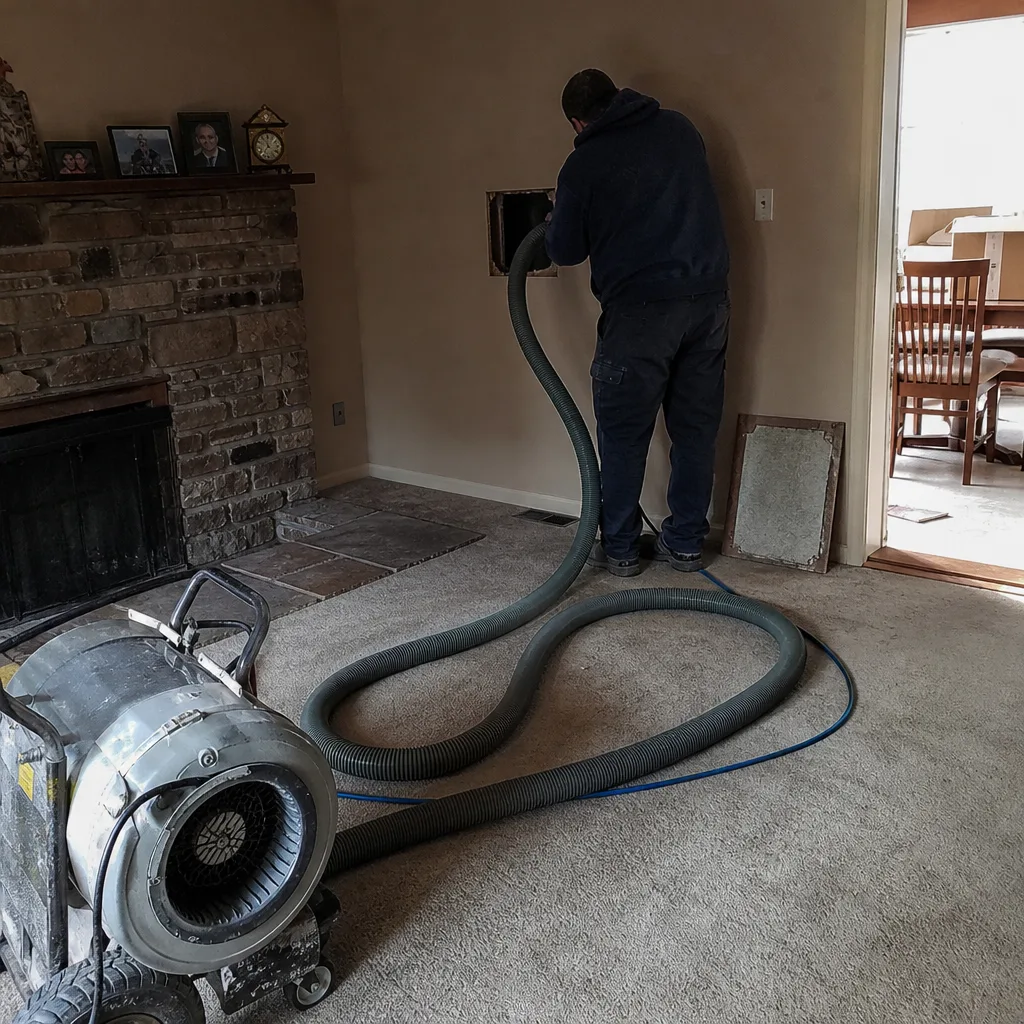 Before
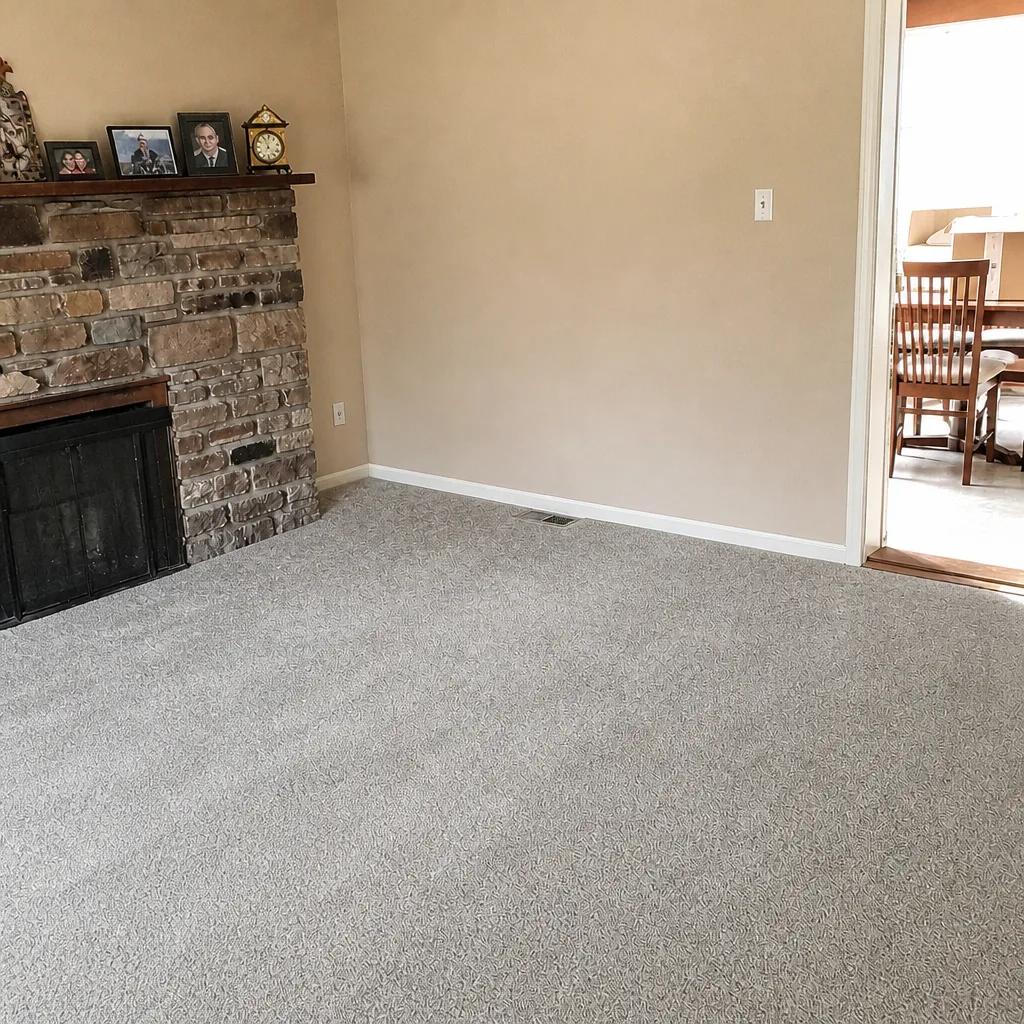 After
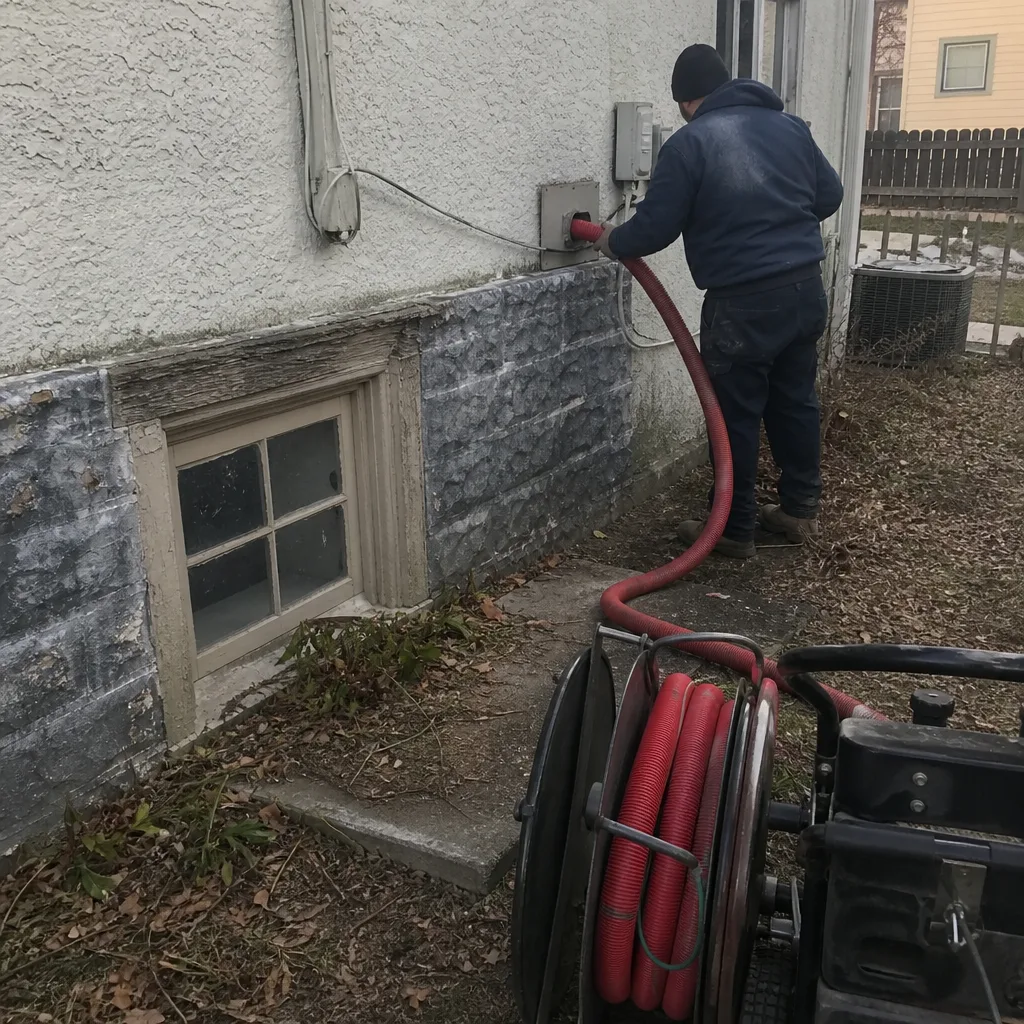 Before
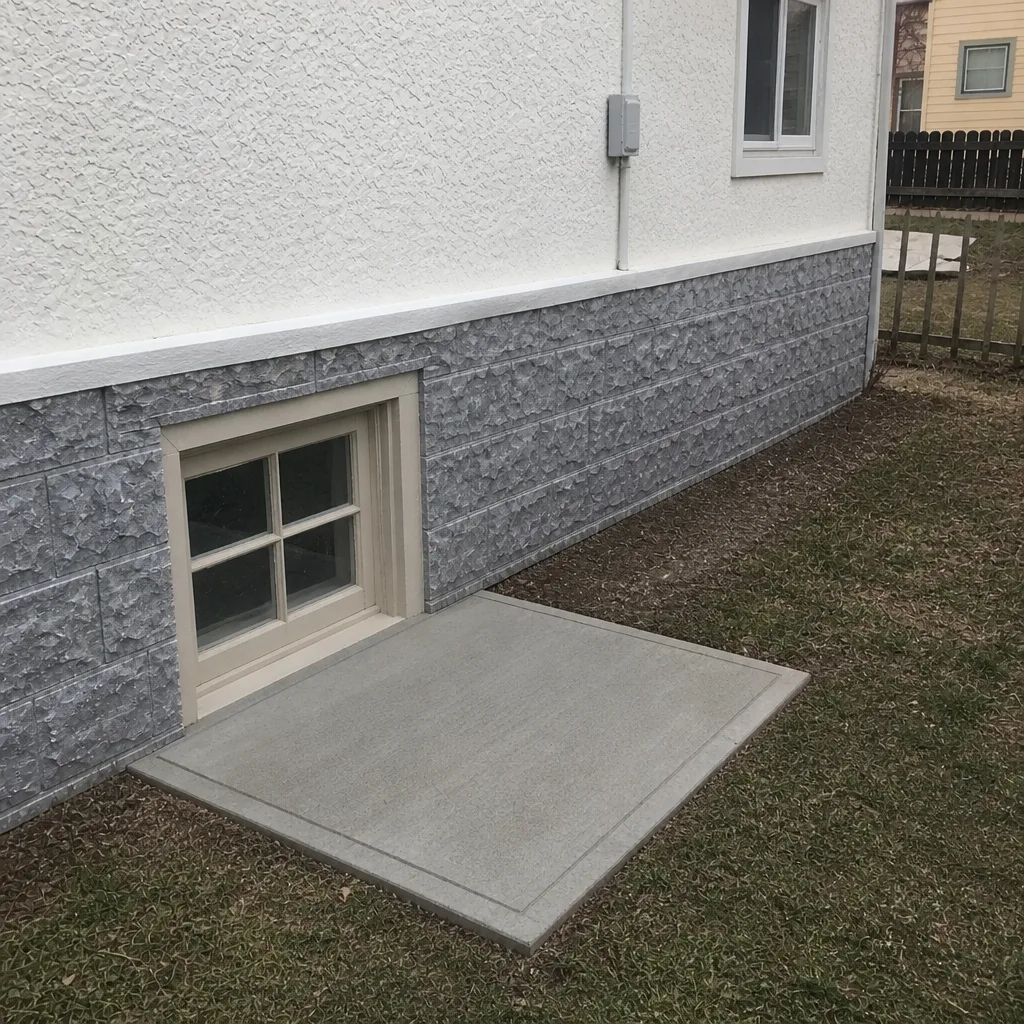 After
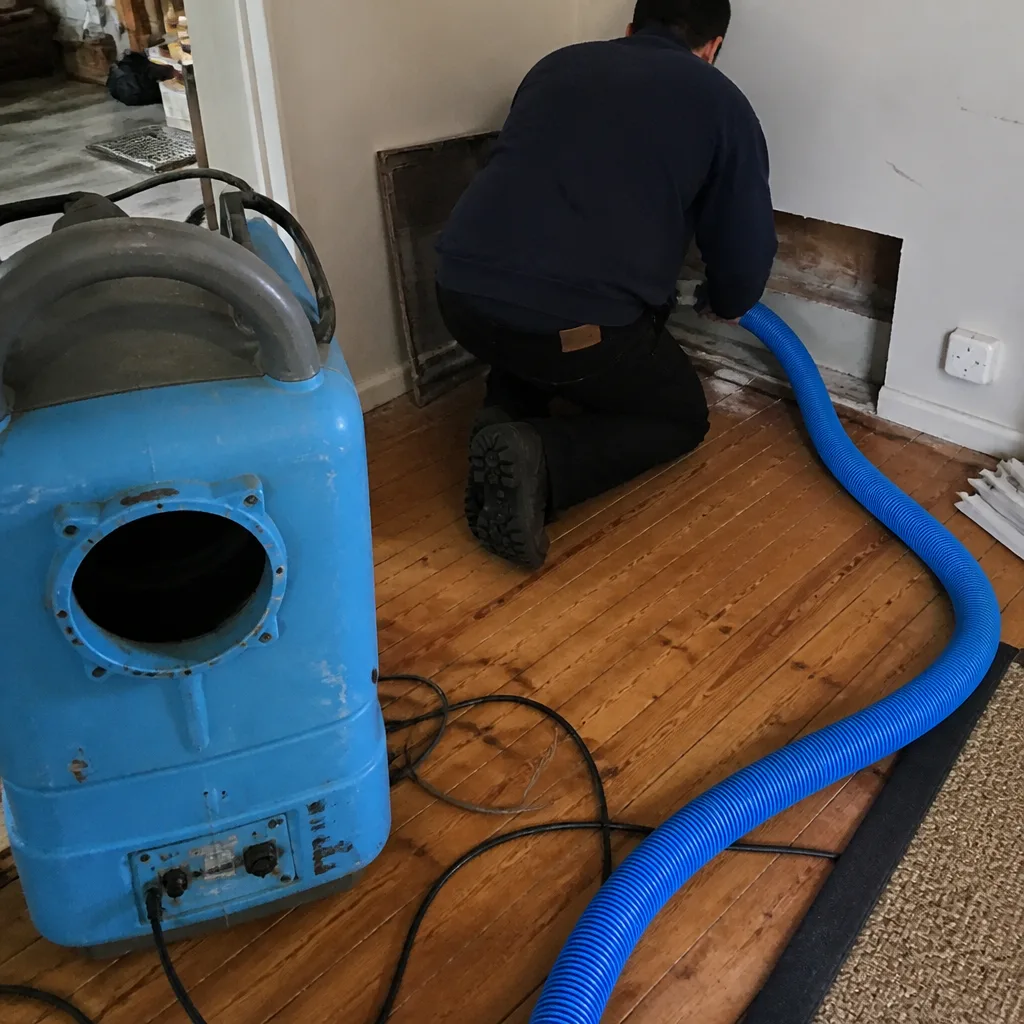 Before
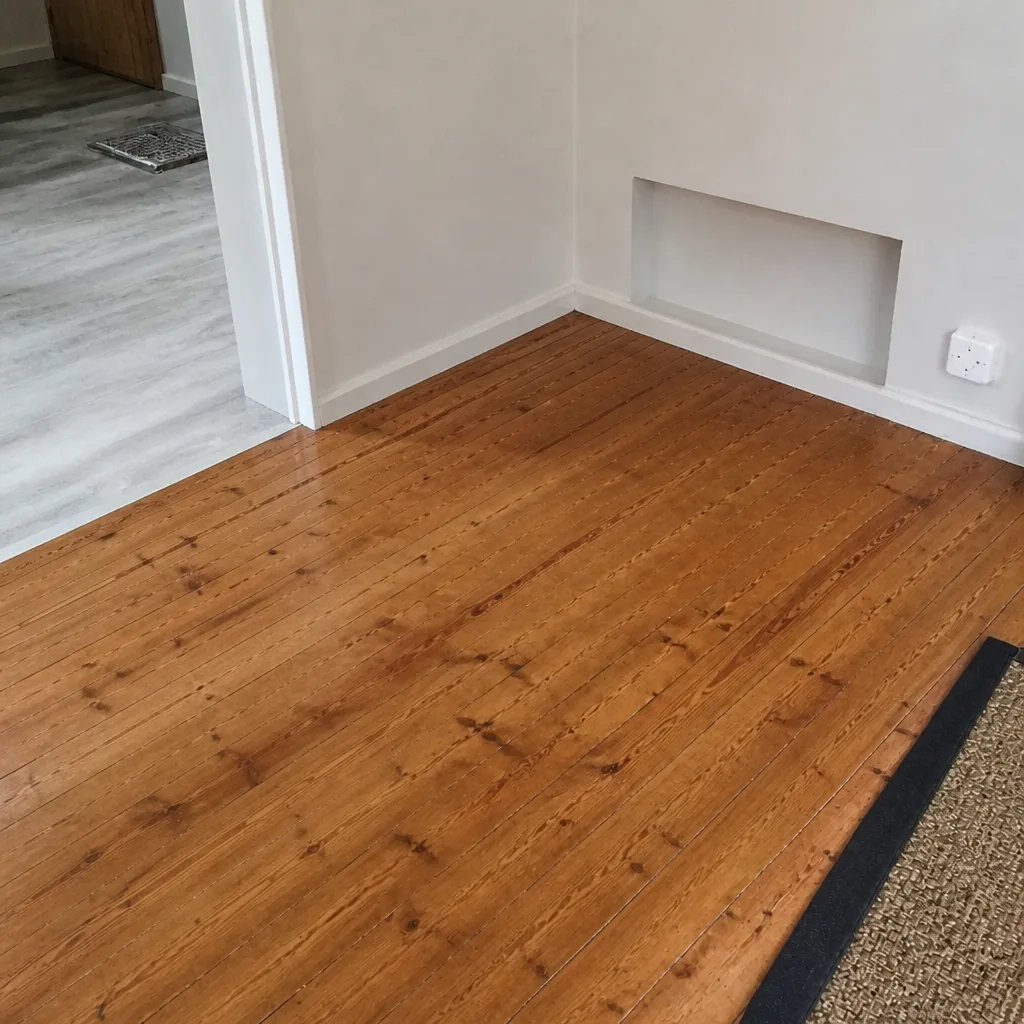 After
When to Call a Professional
Call for professional duct service after any of these: a fire or smoke event inside the home, water intrusion that reached the air handler or ducts, a renovation that generated dust for more than a day, visible mold at a grille or on the air handler, rodent or insect activity with confirmed access into the duct system, or a persistent musty, smoky or animal odor that gets stronger when the HVAC runs. Also call if you’ve noticed debris blowing out of supply registers, or if your energy bills have climbed alongside a smell you can’t place. Those are the early signals that the hidden part of the system needs attention. Kensington Air Duct Cleaning offers free estimates in Kensington. Call (877) 792-6865. We answer 24/7. Fast dispatch from 7am to 7pm, Sunday through Friday.
Frequently Asked Questions
The ducts should be inspected and cleaned before the HVAC system is put back into normal service. Keep the system off from the moment the fire is out until the assessment is complete, because running it pushes soot into the air handler, the coil and the rest of the rooms. Most restoration schedules allow for the cleaning to happen in parallel with structural work, which also means the assessment is documented while the damage is still visible.
It depends on which part got wet and for how long. Rigid metal duct and the surrounding metal cabinet often can be dried and cleaned. Porous liners, insulation and damaged flexible duct are usually replaced rather than cleaned, because once they’ve supported mold growth, cleaning doesn’t make them safe to keep. The right move is an inspection before anything is turned back on, and a moisture reading before any cleaning happens. Call (877) 792-6865 for an assessment and a free estimate.
Often it does when the contamination is tied to a covered event like a fire or a water loss, and often it doesn’t when it’s treated as routine maintenance. The difference is documentation. Photos of the air handler filter, interior duct photos and a written professional scope are what adjusters need to include the work. We can work with your insurer and provide the assessment they need. Call (877) 792-6865 to schedule a documented assessment.
A persistent animal odor that appears only when the HVAC runs, droppings around the furnace or return grille, or chewed insulation near the unit are the usual signs. Rodents leave behind droppings, urine and nesting material, and they often gnaw the ducts themselves, which creates a re-entry channel. Don’t vacuum the area with an ordinary vacuum before it’s been assessed. Call (877) 792-6865 and ask about a pest-contamination assessment.
It’s fine to run the system with the registers sealed and the work zone isolated, but not during active dust work. The blower pulls whatever is in the air straight into the ducts, and drywall dust is fine enough to pass a standard filter and cake into the blower and coil. Shut the system down during cutting and sanding, protect every register before demolition starts, and schedule the post-renovation cleaning into the project from the beginning.
At minimum, a professional-grade cleaning system with agitation and negative pressure (we use Rotobrush and Nikro), plus HEPA-level extraction and containment for any high-contamination scenario. Soot and mold spores spread easily with consumer equipment, and a job done without containment spreads the problem into the rest of the house. Ask the crew what they bring before you book. If the answer isn’t a professional system with containment, keep looking. Call (877) 792-6865 for a free estimate from Kensington Air Duct Cleaning.
The Bottom Line
Emergencies and ductwork share one rule: the system gets contaminated in a predictable sequence, and the response has to match the event. Shut the HVAC off the moment anything goes wrong. Clean, dry and sanitize before the system is put back into service. Document everything while the damage is still visible. And if you notice a smell you can’t place or debris blowing from a register, treat it as an early signal, not a small annoyance. Our air duct cleaning, dryer vent cleaning and HVAC cleaning services are all part of the same scope. To build a protocol for your home, or to get the system assessed after an event, call (877) 792-6865 for a free estimate.
Written by the team at Kensington Air Duct Cleaning.